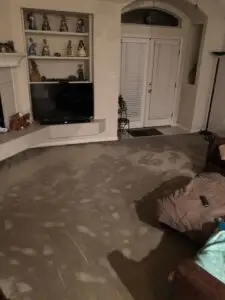

Water takes the path of least resistance, and it rarely tells you where it’s headed. At a two-story home in Leander, TX, a problem in the upstairs bathroom quietly slipped under the door and spread down the hall. By the time the homeowners noticed, the hallway carpet was damp and the baseboards had started to swell. Our team at Austin Fire & Flood handles this kind of water damage restoration all over the Austin area, and this one was a good reminder of how far water can move before it shows its face.
Finding Out Where the Water Was Coming From
The first job on any water loss is figuring out how far the water actually went, not just where it’s visible. Wet carpet you can see is only part of the story. Water wicks into pads, subfloors, and the bottom few inches of drywall, often well past the line your eyes can find.
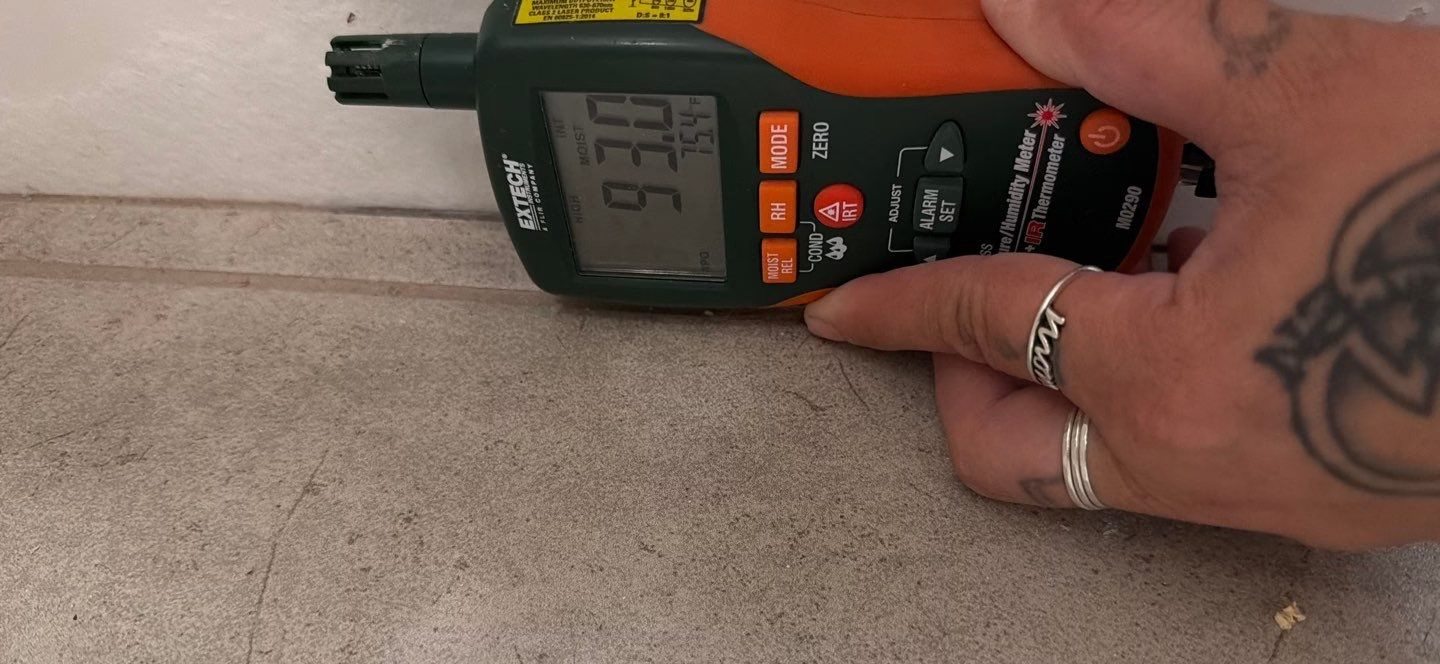
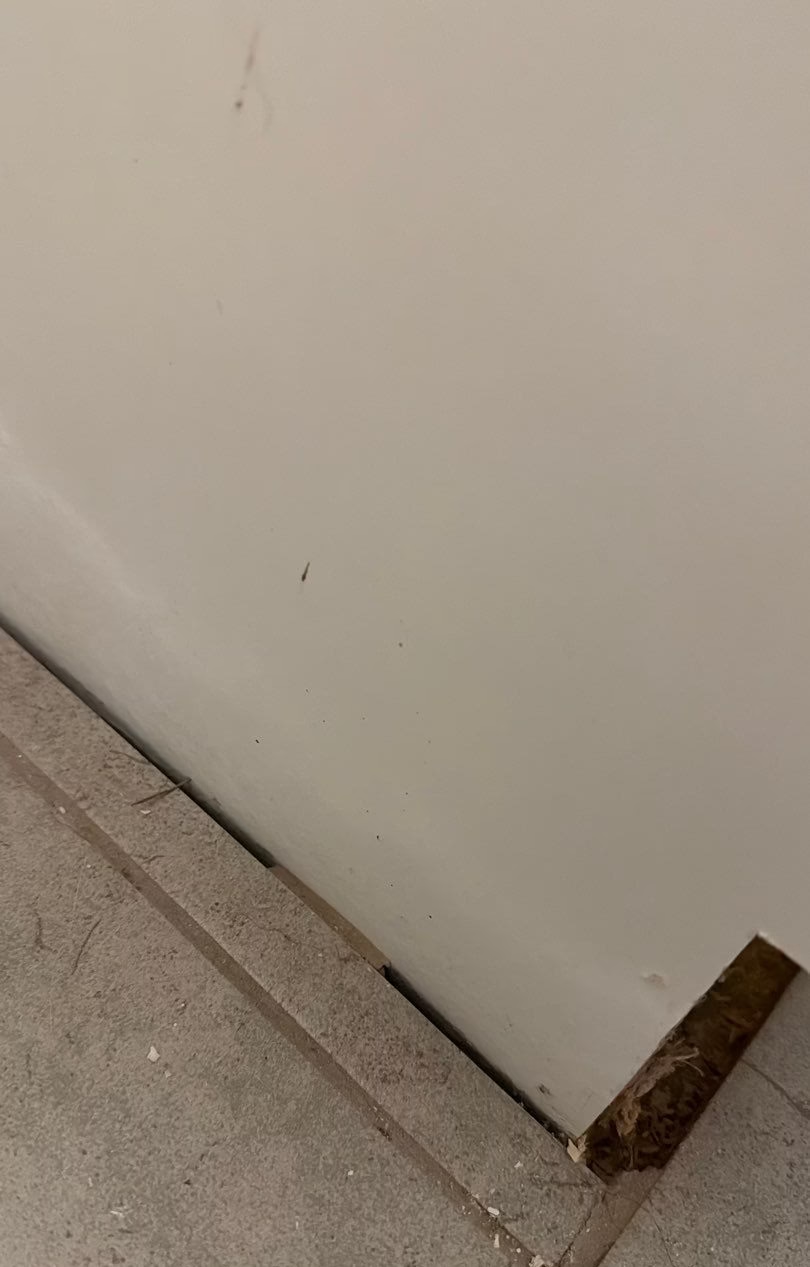
We started by mapping the loss. Moisture meter readings taken at the base of the walls showed elevated moisture well past the visible wet line, which told us the water had spread further than the damp spots suggested. The baseboards backed that up. Where they met the floor, they were swollen and stained, a classic sign that water had been sitting against them for a while.
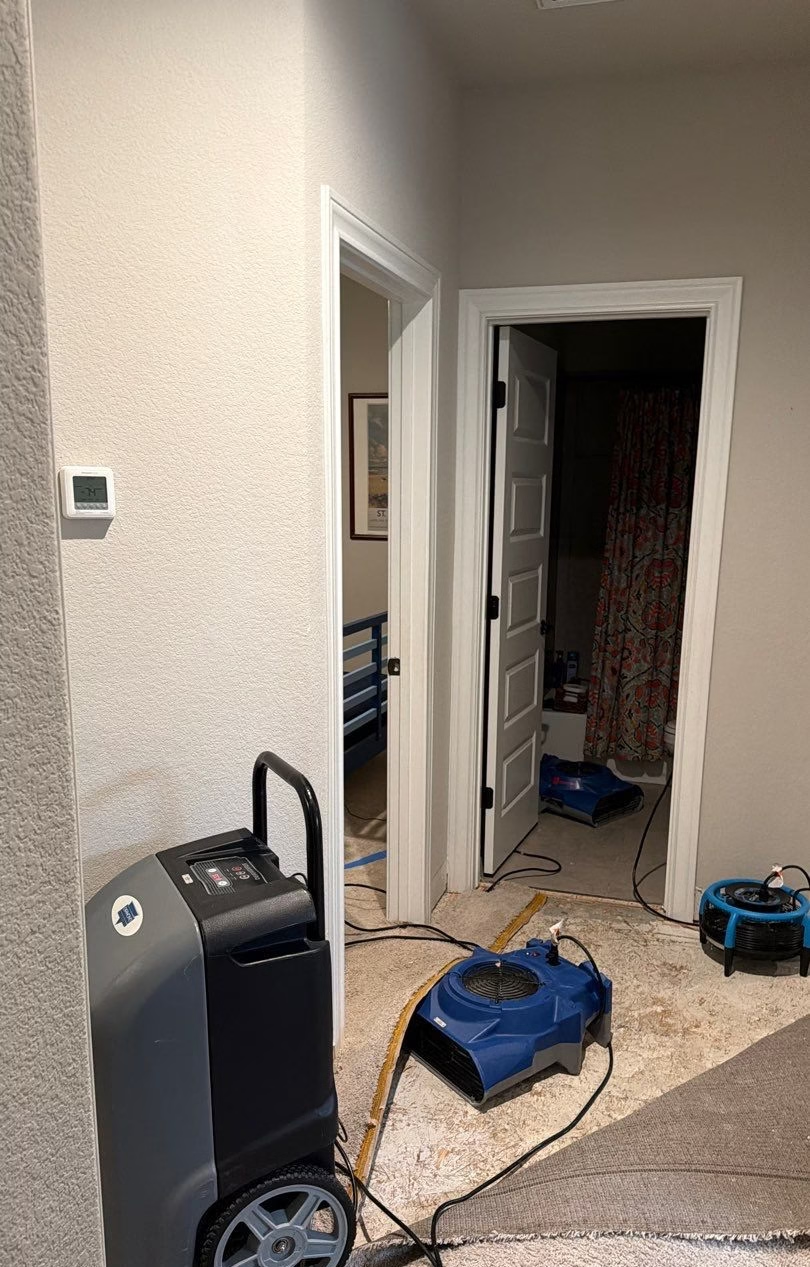
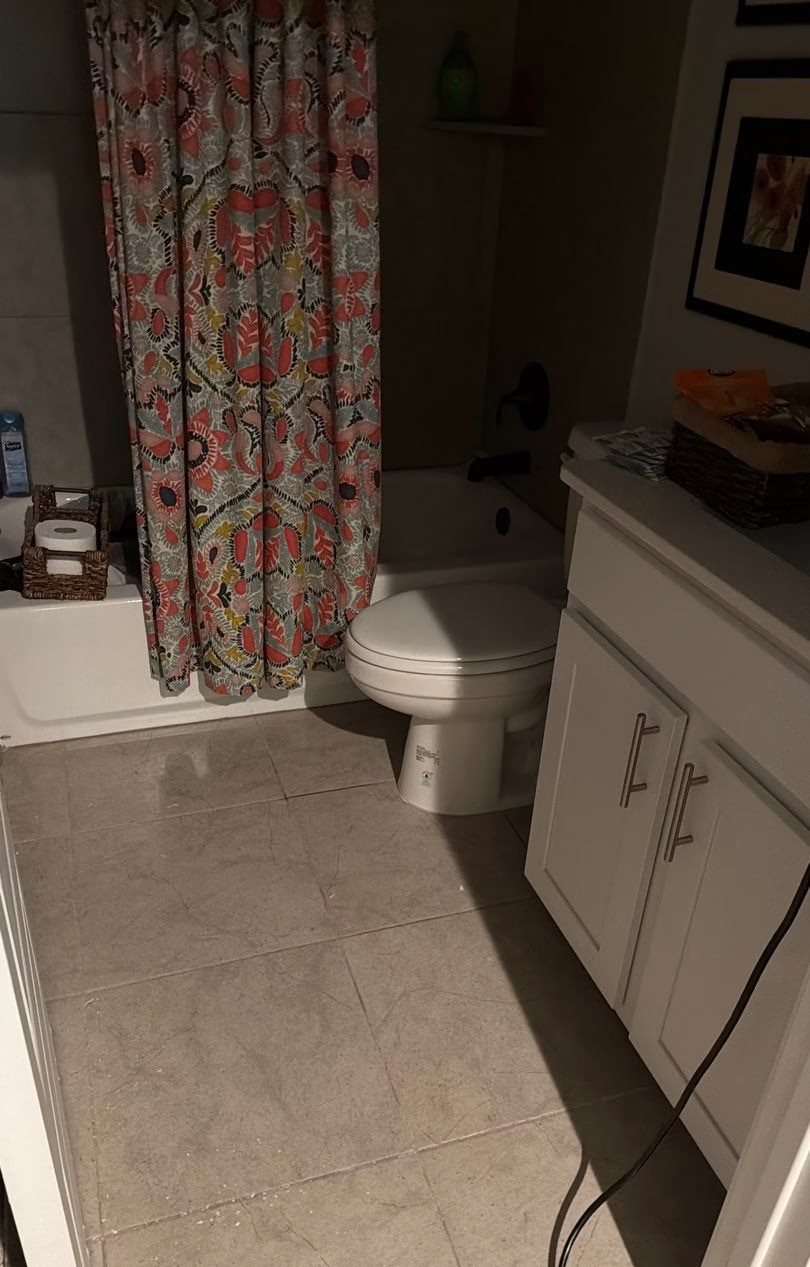
Reading the pattern pointed us straight back to the upstairs hall bathroom. Moisture had migrated under the bathroom door, soaked into the hallway carpet, and pushed outward toward the adjoining bedrooms and the stair landing. Not exactly where you want water creeping.
Opening Up the Floor and Getting Air Moving
Once we know where the water went, the goal is simple: open the assembly and dry it fast. Trapped moisture is what turns a manageable water problem into a mold problem. The quicker we get airflow to the wet materials, the less damage the water can do on its way out.
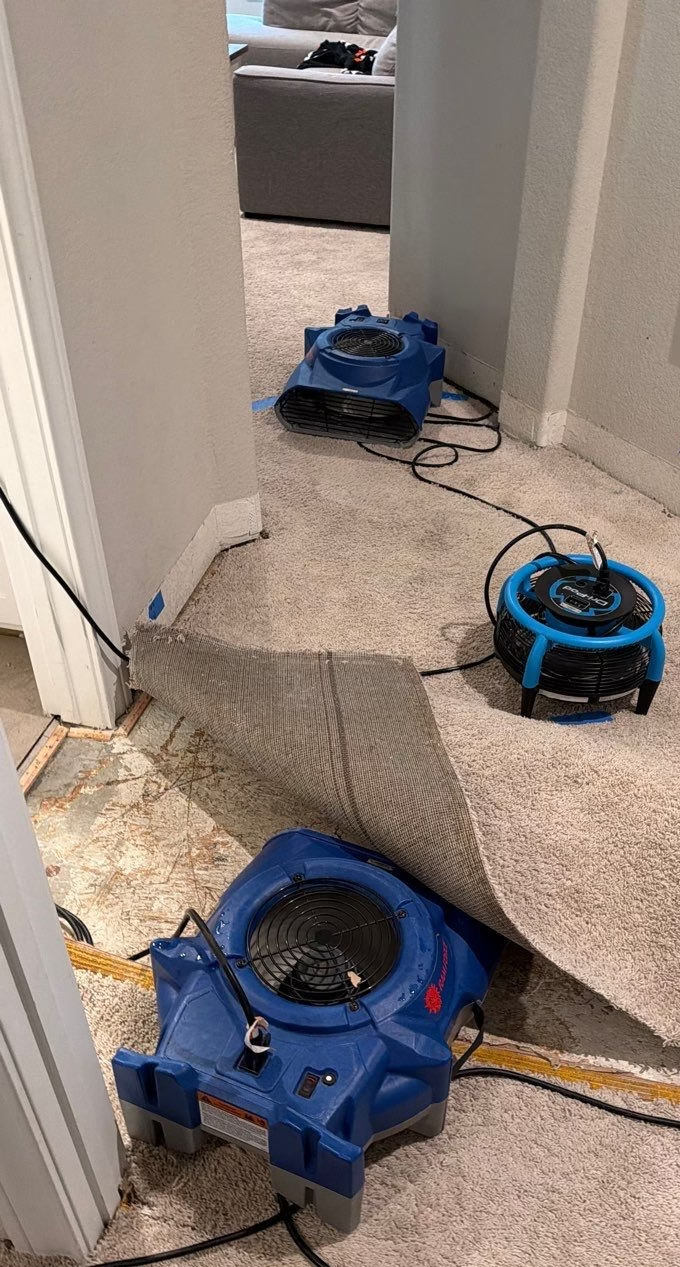
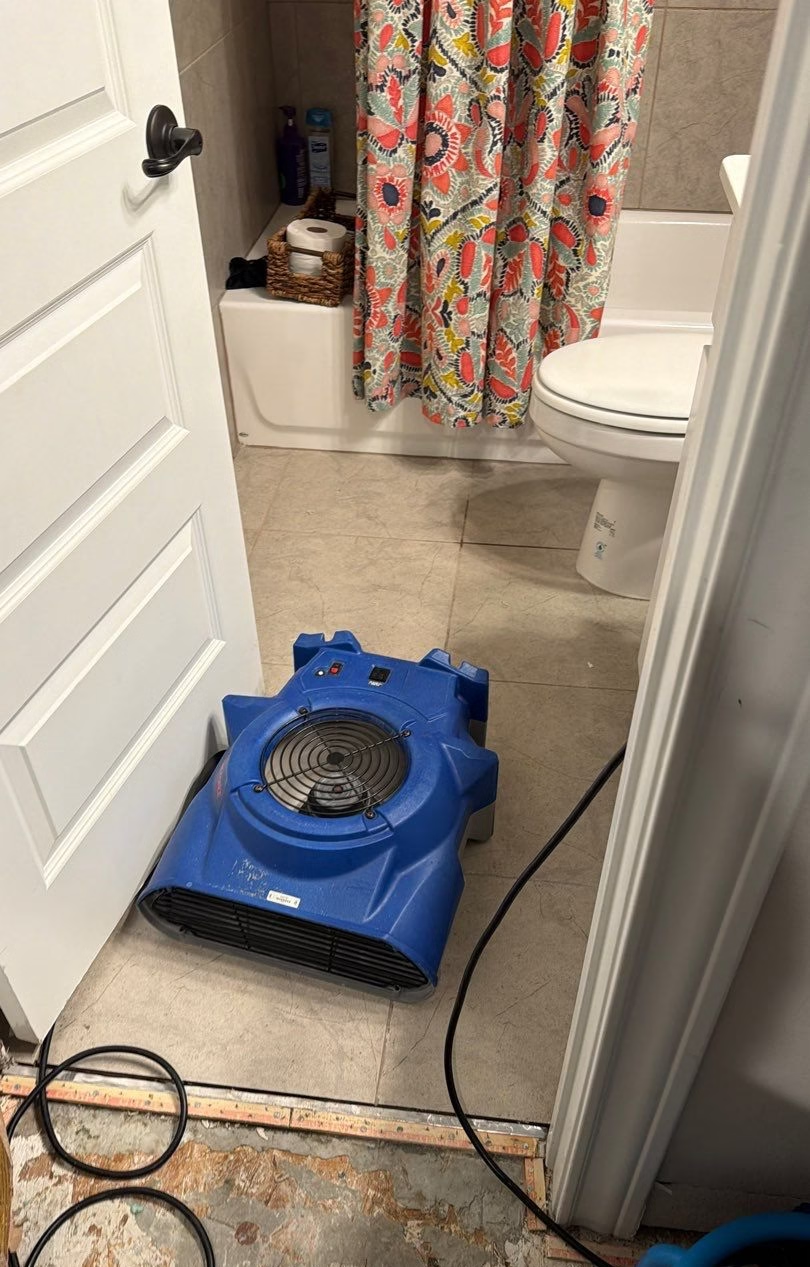
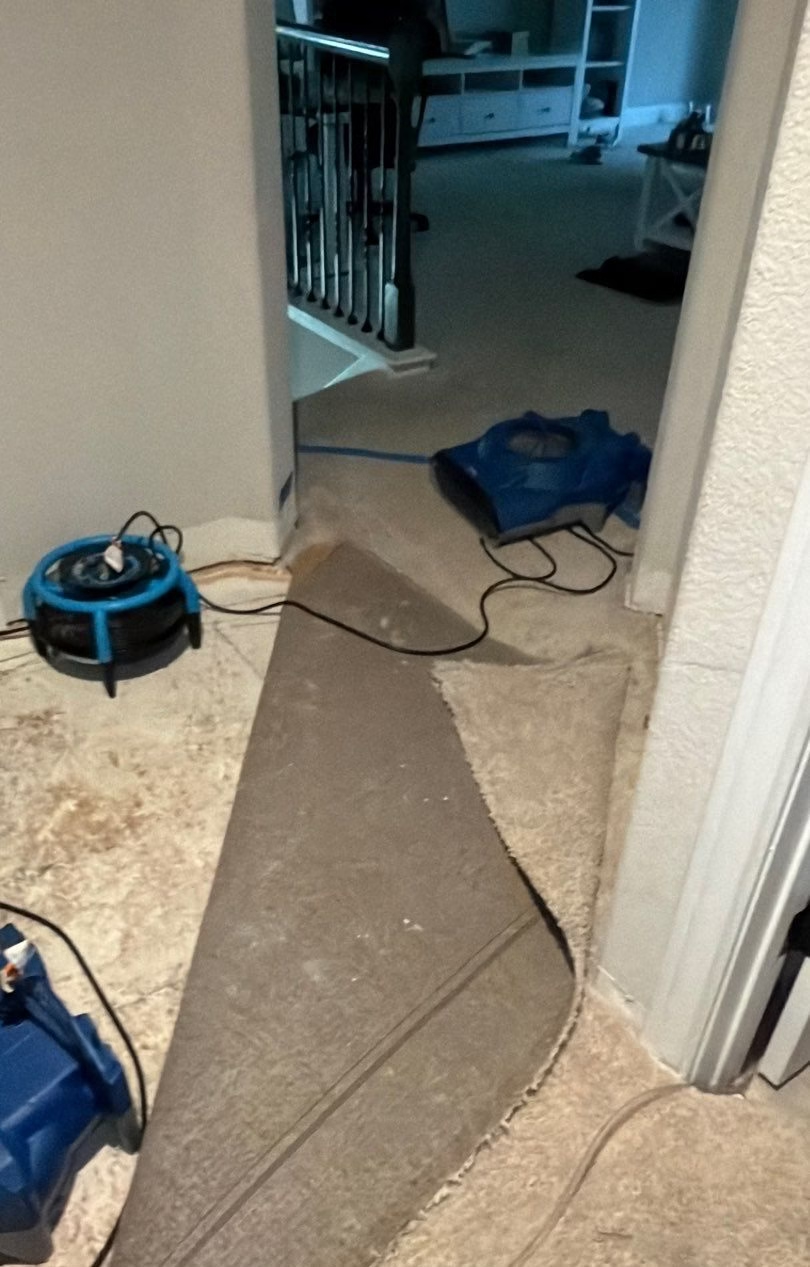
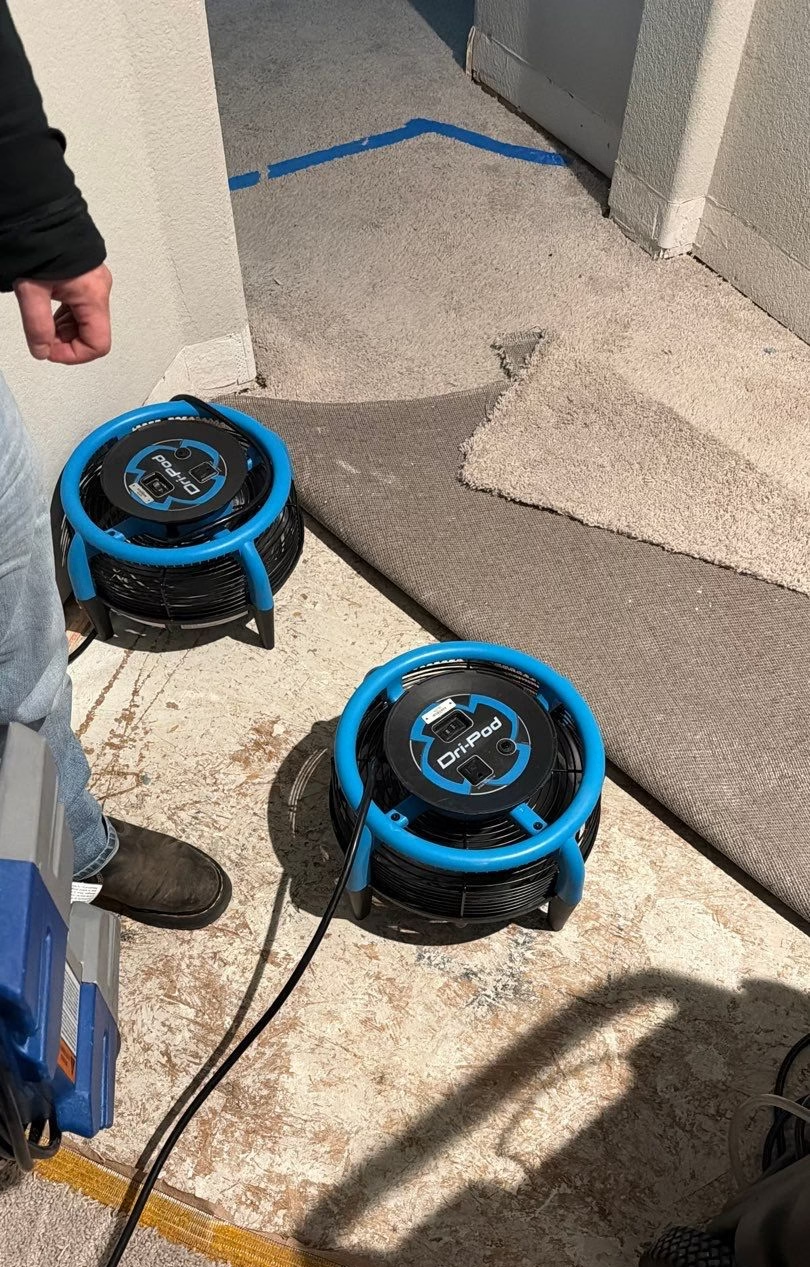
Working to IICRC S500 drying standards, our technicians detached the carpet from the tack strips and floated it back to expose everything underneath. The saturated pad came out and got hauled off. Carpet pad soaks up water like a sponge, and once it’s saturated, drying it in place just isn’t worth the risk. We pulled the affected baseboard too.
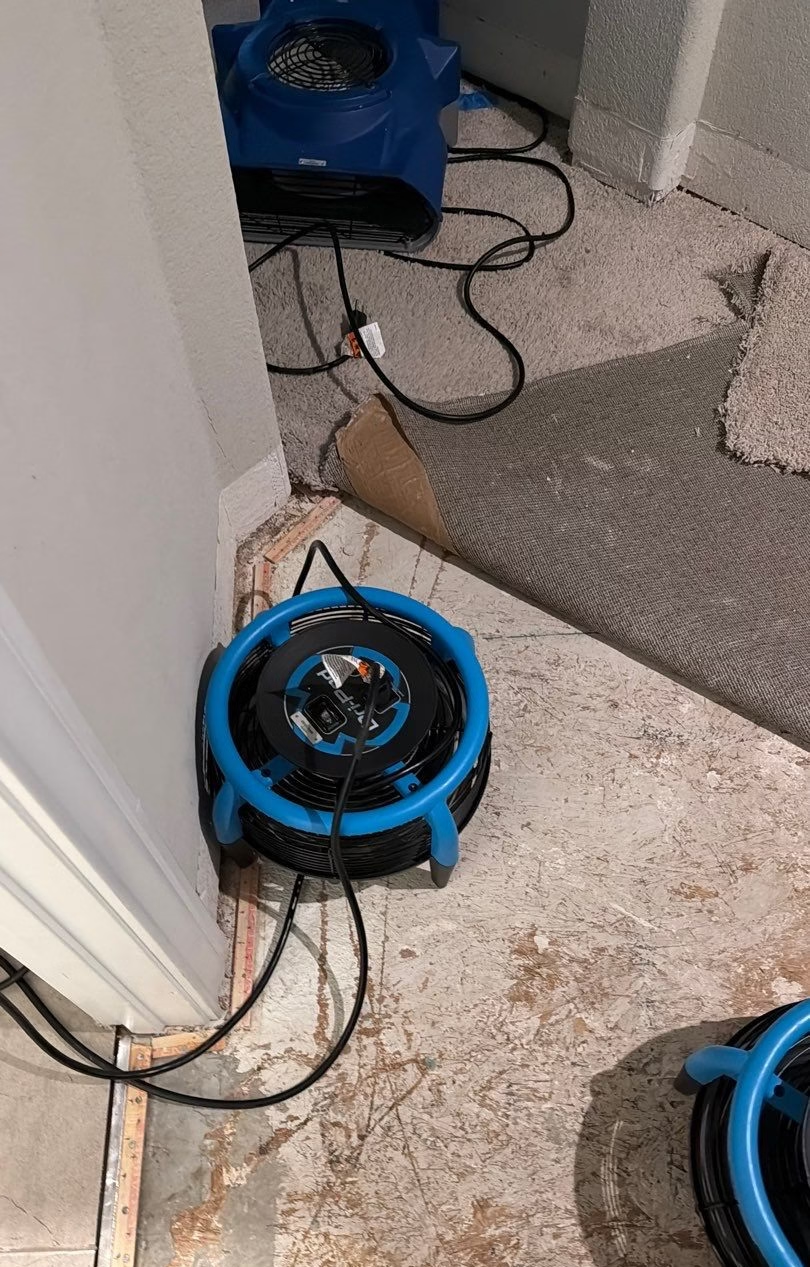
That opened up the subfloor, and the subfloor told the rest of the story. Staining radiated out from the bathroom threshold and traced the exact path the water had taken. From there it was all about airflow. We set air movers along the wall lines and across the open subfloor, then staged dehumidifiers in the hallway to pull moisture out of the air instead of just pushing it around.
Why We Move So Fast on Water
Speed isn’t just for show. The EPA points out that mold can start growing on damp materials within 24 to 48 hours, which is a tight window when you’re dealing with soaked carpet and subfloor in a Texas summer. Getting equipment in place quickly is how we keep a water job from turning into a mold remediation job.
Drying It Down and Double-Checking the Work
Drying a home isn’t a one-visit job, and it isn’t finished until the numbers say so. We came back over the following days to reposition equipment and re-check moisture readings. Materials dry unevenly, so the gear gets moved around to chase the last damp spots until everything reads dry.
Each visit, we repositioned air movers and dehumidifiers to target whatever was still holding moisture, and we documented the readings as we went. That paper trail matters, especially if there’s an insurance claim in play, which is why we always suggest documenting water damage thoroughly from day one.
By the final documented visit, the upstairs bathroom was clear and dry, and the affected hallway and rooms were down to their last equipment placement. No drama, no lingering musty smell, just a home that was dry and ready for whatever came next. In this case the drying did the job and no rebuild was needed, though when water sits too long we handle full reconstruction and rebuild in house too.
What This Leander Water Damage Job Can Teach You
The takeaway from this Leander job is that water travels, and the sooner it’s found, the smaller the repair. A leak that starts in a bathroom can reach three rooms and a stair landing before anyone spots it. Fast detection and fast drying are what keep a small loss from becoming a big one.
A few things worth keeping in mind if this ever happens at your place:
- Damp carpet is usually the tip of the iceberg. Water wicks into the pad and subfloor well past what you can see.
- Swollen or stained baseboards are a red flag that water has been sitting for a while.
- Saturated carpet pad almost always has to go, even when the carpet itself can be saved.
- The faster the drying starts, the lower the odds of mold taking hold.
Want to get ahead of it? Our rundown of the early warning signs of hidden water damage covers what to watch for, and you can see how a slower leak plays out in our Austin bathroom water damage case study.
Dealing With Water Damage in Leander or the Austin Area?
Water doesn’t wait, and neither do we. Our team at Austin Fire & Flood is on call 24/7, 365 days a year, and we cover everything from the first moisture reading to the final dry-out, all in house. If you’ve got a leak, a wet floor, or a musty smell you can’t place, don’t sit on it.