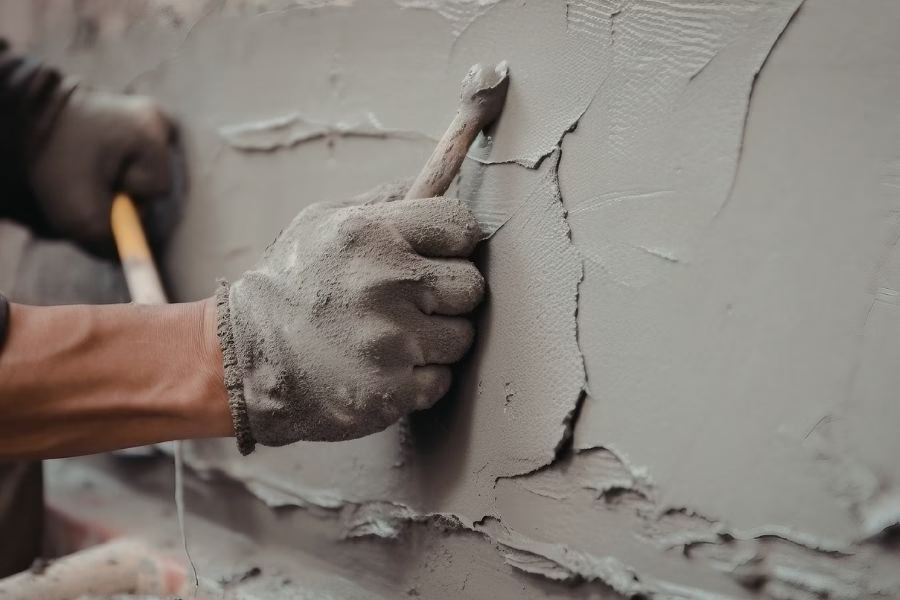
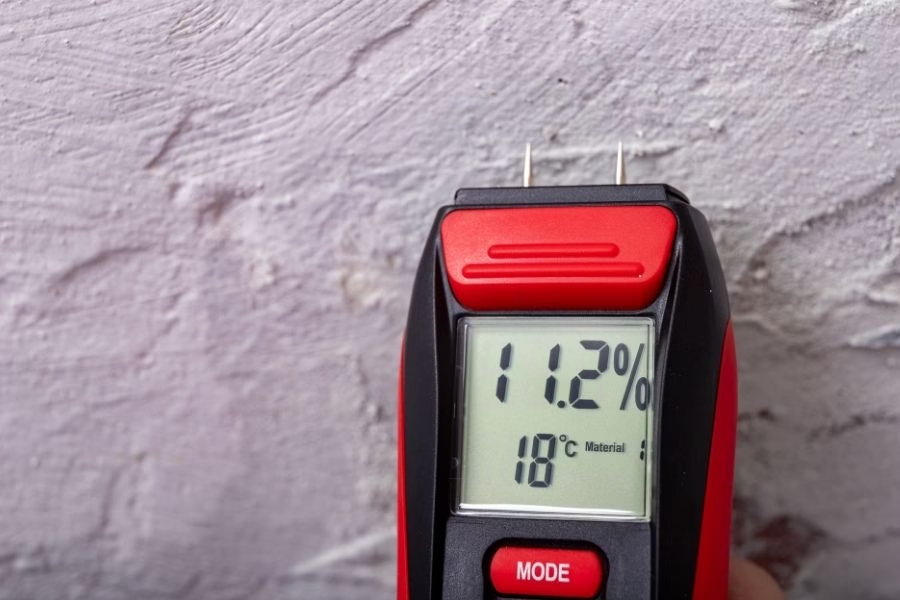
Our IICRC-certified crews carry moisture detection equipment specifically designed to find water damage behind walls, where leaks hide inside cavities and cause problems long before any visible sign reaches the surface. Wall water damage repair starts with knowing exactly where the moisture is, and the team at Austin Fire & Flood maps it accurately from the first visit.
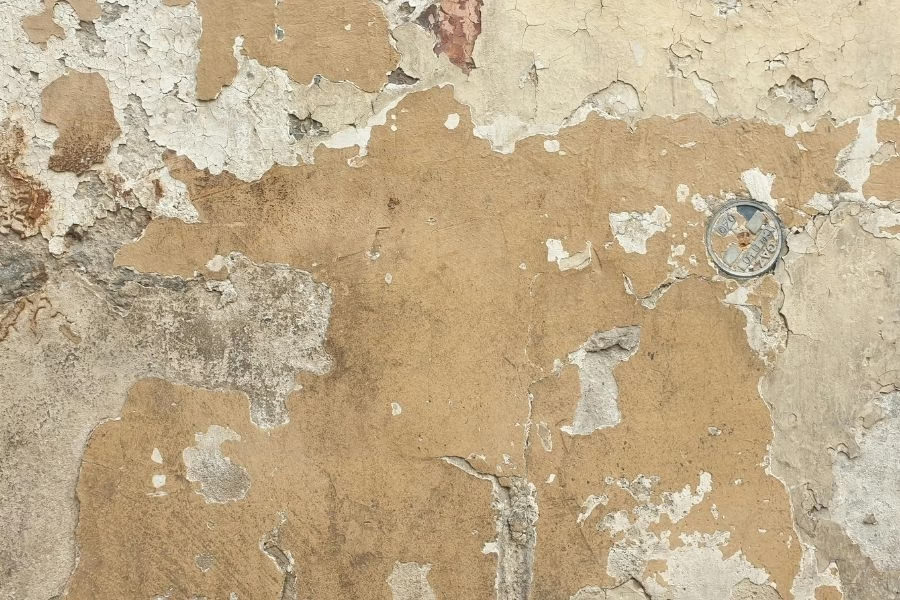
Bubbled paint water damage is often the first thing a homeowner notices, a section of wall where paint lifts away from the drywall in soft, rounded blisters. That visual clue means moisture has been sitting behind the surface long enough to break the bond between paint and substrate. Wet drywall repair addresses the material itself, which loses structural integrity once saturated and cannot simply be dried and painted over in most cases. Water damage behind walls follows plumbing lines, travels along framing members, and wicks upward through drywall by capillary action. A leak on one side of a wall can show damage on the opposite side or on an entirely different floor. Wet insulation drying and removal is necessary when fiberglass or cellulose insulation inside the wall cavity absorbs water, because saturated insulation loses its thermal value, compresses under its own weight, and creates a sustained moisture source that feeds mold.
Water inside a wall cavity has almost no natural avenue for drying. The drywall on either side, the paint layer, and the insulation all trap moisture in an enclosed space with minimal airflow. This is exactly the environment where mold colonies establish themselves within days. Structural framing can begin showing signs of rot within weeks of sustained contact. Electrical wiring running through wet wall cavities creates a real safety hazard. The longer wet drywall repair is delayed, the further the damage spreads horizontally and vertically through the wall system.