Walking into a flooded bathroom is one of those moments that stops you cold. Bathroom water damage restoration is something most homeowners never expect to need, but between aging plumbing, worn seals, and daily water use, bathrooms are the most common room in the house for water damage to originate. If you are dealing with a soggy floor or water dripping through your ceiling from an upstairs bathroom, you are not alone.
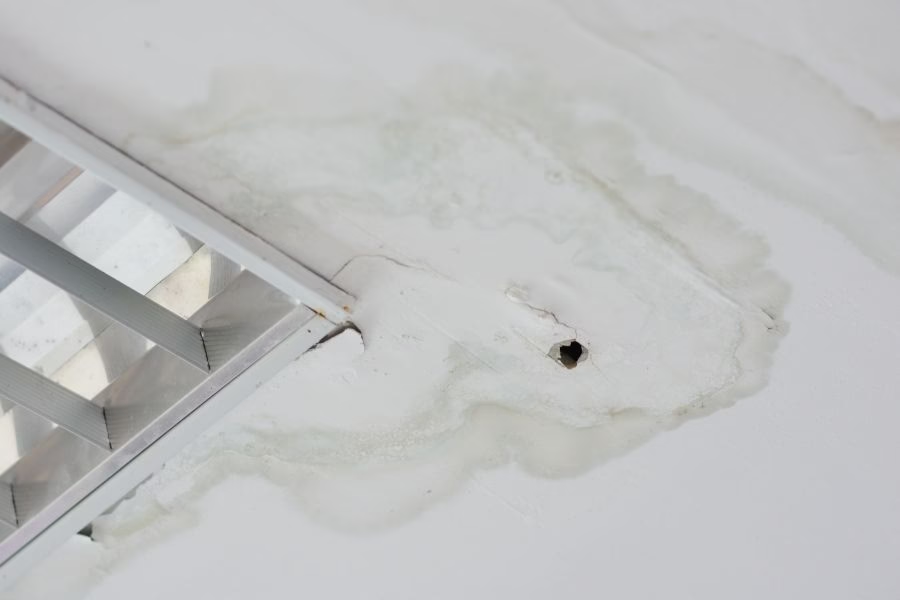
Toilet overflow cleanup is the call we get most often. A single overflow can send contaminated water across tile, under vanities, and into adjacent rooms before you even grab a towel. Toilet leak water damage from a failed wax ring or cracked supply line is sneakier, sometimes running for weeks before warping the subfloor. Bathtub overflow cleanup is common in homes with small children or slow drains, and the volume of water involved can saturate the floor system quickly. Shower pan leak water damage develops over months as grout cracks and caulk deteriorates, allowing water to seep through the tile assembly into framing below. Sink overflow cleanup happens fast when a drain is blocked, especially in powder rooms with limited floor space. Bathroom pipe leak cleanup addresses failures in supply lines, shut-off valves, or connections behind the wall. For two-story homes, upstairs bathroom leak ceiling damage on the floor below is particularly frustrating because it means opening up finished surfaces in multiple rooms.
Shower leak water damage repair and toilet overflow cleanup service both require fast action because bathrooms sit above some of the most vulnerable parts of your home. Water from bathroom flooding travels through tile grout, around the toilet flange, and into subfloor materials that swell and weaken when wet. In upstairs bathrooms, gravity pulls that water through floor joists and into ceilings, walls, and light fixtures below. Mold can establish itself in these hidden cavities within 48 hours, especially during Austin’s warm, humid months.