The kitchen looked fine at first glance. But when the homeowner stepped near the refrigerator and felt the laminate flex underfoot, she pulled back the edge and found standing water spreading across the subfloor beneath it. Water damage floor repair on that project meant removing 200 square feet of laminate, drying the concrete slab for four days, and installing new flooring once moisture levels confirmed it was safe.
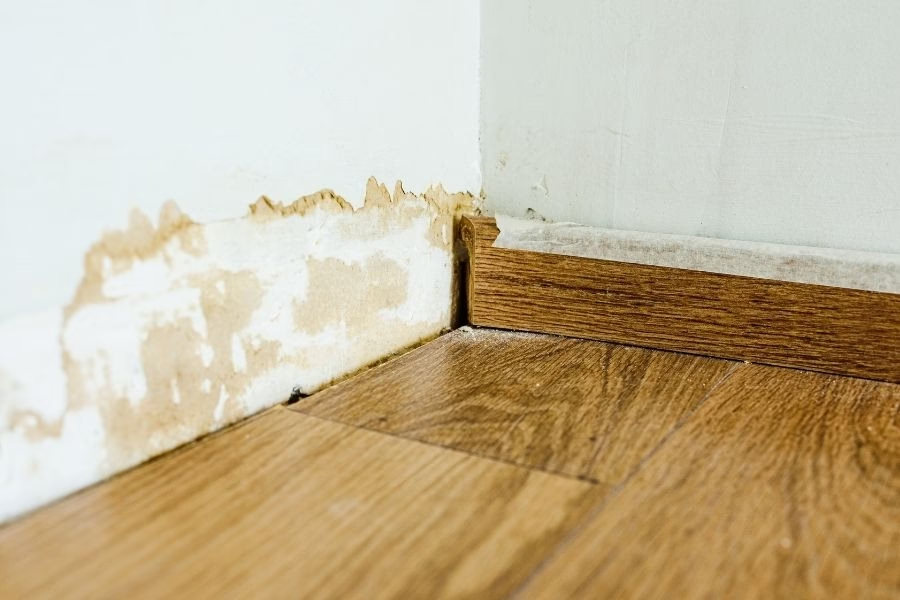
Hardwood floor water damage restoration is among the most time-sensitive calls we handle. Hardwood planks absorb moisture quickly, cupping at the edges within hours and buckling within days if extraction does not begin. Laminate floor water damage follows a different pattern, where water enters through seams and swells the fiberboard core from underneath, making individual planks unsalvageable. Tile and grout water damage cleanup may seem less urgent because tile itself resists water, but moisture travels through cracked grout lines and damaged caulk joints into the subfloor below where it causes hidden rot. Carpet water extraction and drying needs to happen within 24 to 48 hours to prevent mold growth in the pad and backing. Subfloor drying and replacement rounds out the scope of many floor restoration projects, because no new flooring should go down on a substrate that still holds moisture.
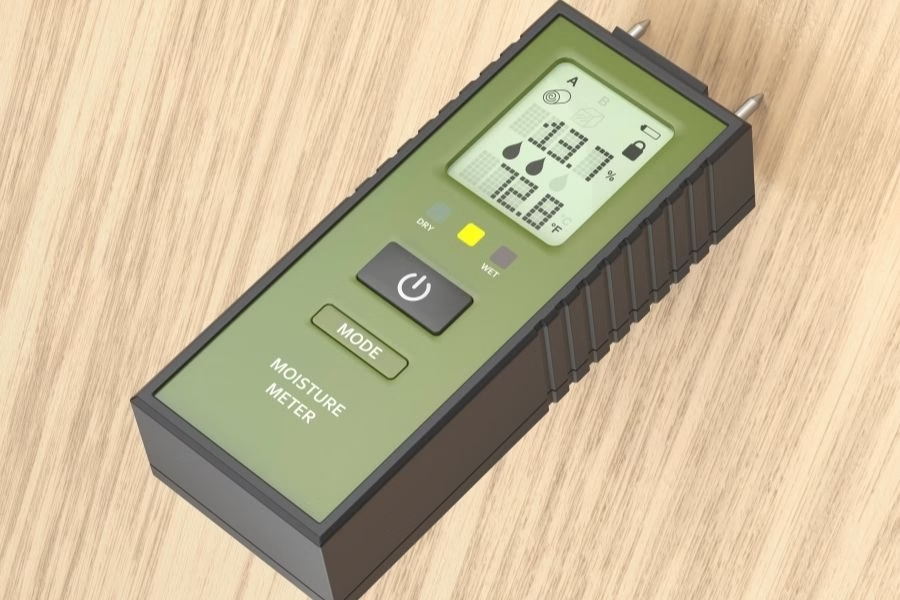
Surface flooring gets all the attention, but the subfloor beneath it determines whether a repair lasts. On Austin’s slab foundations, moisture trapped between flooring material and concrete creates conditions for mold and adhesive failure. In homes with raised foundations and plywood subfloors, water swells the wood and creates soft spots that affect the finished floor above. Replacing visible flooring over a compromised subfloor leads to callbacks, warranty issues, and more expense down the road. Thorough subfloor drying, confirmed by moisture readings at multiple points, is the only responsible way to proceed before new material goes down.