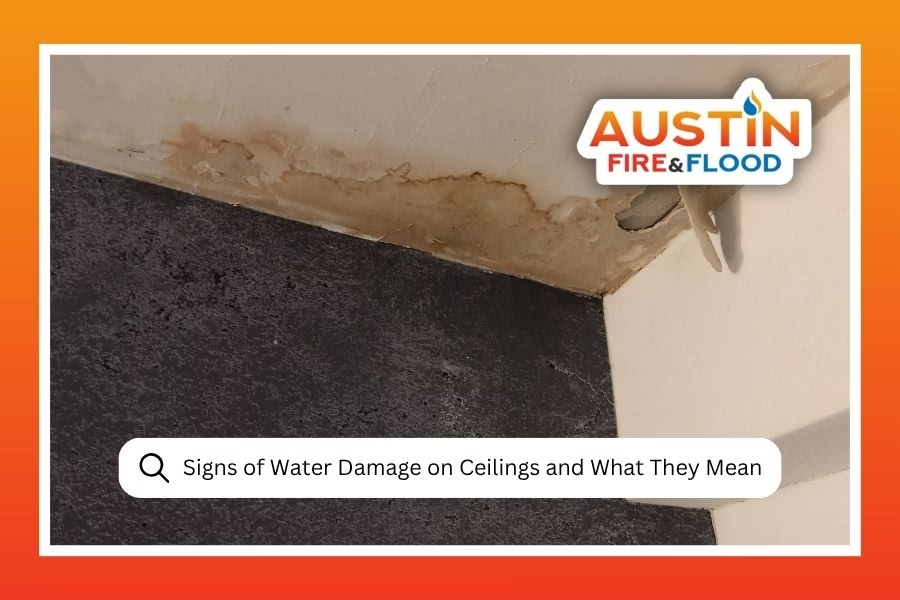
A water stain on your ceiling almost always means water is getting in from somewhere above. That could be a roof leak, a busted pipe, or an AC line dripping in the attic. Our IICRC certified team at Austin Fire & Flood handles water damage restoration across Austin, and ceilings are one of the first places we look.
What Do Water Stains on Your Ceiling Actually Mean?
The color and shape of a ceiling stain tell you a lot about the leak behind it. Brown or yellow rings point to a slow, repeat leak that dries and returns. A dark, damp patch usually means water is on the move right now.
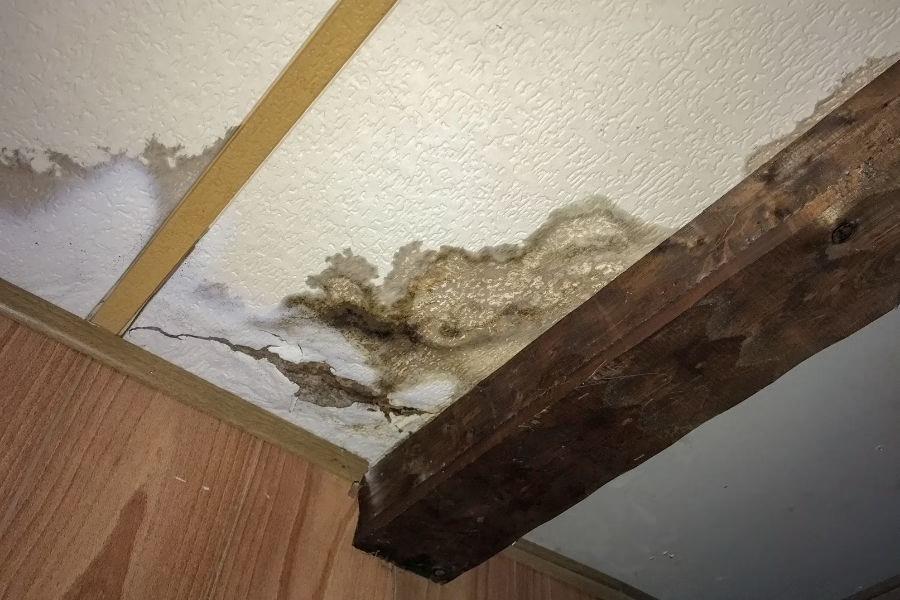
Rings usually point to a leak that keeps coming back.
Common Causes of Ceiling Water Damage in Austin Homes
Most ceiling water damage in Austin traces back to three places: the roof, the plumbing, or the AC. Hail and spring storms crack shingles, upstairs bathrooms drip through the floor, and attic AC units leak more than folks expect.
Here is what our crews see most:
- Roof and storm damage. After a hailstorm, water sneaks through cracked shingles and shows up on the ceiling days later. See our guide on what to do after storm damage.
- Plumbing leaks. A supply line or drain in an upstairs bathroom can soak the ceiling before you spot a drop.
- AC condensation and drain lines. A clogged line or sweating duct in a hot attic drips down, as we cover in how AC condensation causes hidden water damage.
Many of these start small and hide. Our list of early warning signs of hidden water damage helps you catch them early.
Water damage only gets worse and pricier the longer it sits. Let us take a look and tell you what is going on.
Reading the Signs: Stains, Bubbling, and Sagging
Two other signs tell you water has reached the ceiling: bubbling paint and sagging. Each points to a different stage of trouble. Bubbling means water is pooling under the paint, while sagging means the ceiling is holding water and could give way.
Water Stains and Discoloration
Stains are the mildest sign, but do not brush them off. One that spreads week to week means the leak is still active.
Bubbling or Peeling Paint
Bubbling paint means water has pooled behind it. As the drywall soaks, the paint lifts and peels, a sign of trouble below the surface.
Sagging or Bowing Ceiling
A sagging ceiling is the one to act on fast. Soaked drywall loses strength and can fail without much warning, so keep people and pets out of the room.
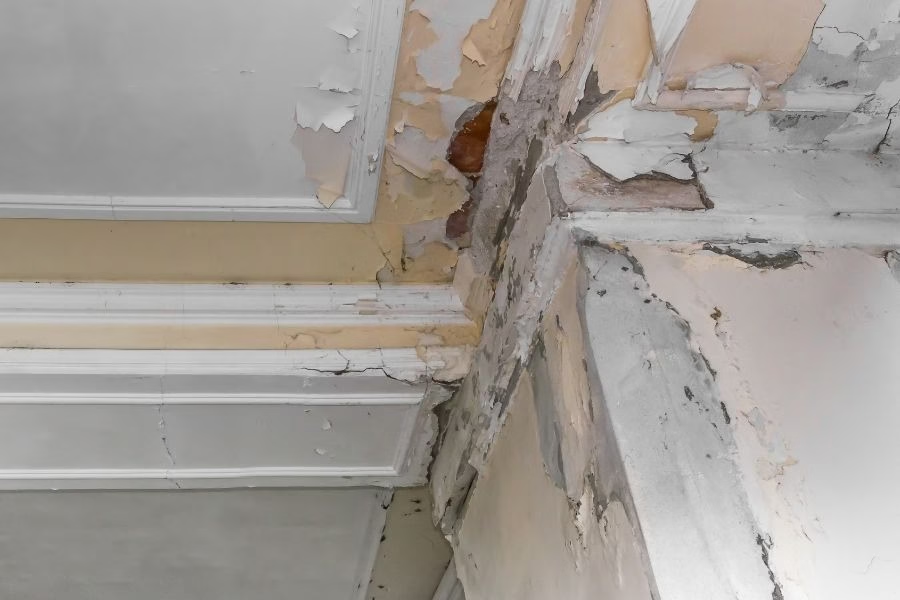
A ceiling that sags or bows is holding water and can fail fast. Stay out of that room.
Left damp, that same ceiling becomes a home for mold. The EPA guidance on mold and moisture explains why fast drying matters. When mold has set in, we clear it with professional mold remediation.
How Serious Is It? A Quick Diagnostic Guide
Not every ceiling stain is an emergency, but some are. The right response depends on the cause and how far the water has spread. A one-time spill leaves a minor mark. A spreading stain, bubbling, or sagging means the damage is still growing.
Restoration pros sort water by how clean it is. The IICRC S500 standard lists three types: clean, grey, and black. Clean water is the least risky, and sewage is the worst.
| What you see | Likely cause | How urgent |
|---|---|---|
| Small dry stain, no growth | Old, one-time leak | Low. Watch it. |
| Stain spreading week to week | Active roof or pipe leak | Medium. Get it checked. |
| Bubbling or peeling paint | Water pooling in drywall | Medium to high. |
| Sagging or bowing ceiling | Drywall soaked and failing | High. Leave and call. |
| Brown water with a smell | Possible sewage or grey water | High. Do not touch. |
What to Do When You Spot Water Damage on Your Ceiling
If you spot water damage on your ceiling, your first job is to stay safe and slow the damage. Move valuables clear of the wet area, and find the source if it is safe. Then call a pro to dry it and fix the cause.
- Keep people and pets out from under any sagging spot.
- Move furniture and valuables away from the wet area.
- Put a bucket under any drip and lay down towels.
- Do not poke a bulging ceiling, as the water can come down all at once.
- Photograph the damage for your records and insurance.
- Call a certified team to find the source, dry the space, and repair the ceiling.
Once the leak is fixed and everything is dry, the ceiling may need patching or a full rebuild. We handle drying and the ceiling and drywall rebuild in house, so you are not juggling two companies. For folks in Cedar Park and nearby, our crews stay close when water shows up.
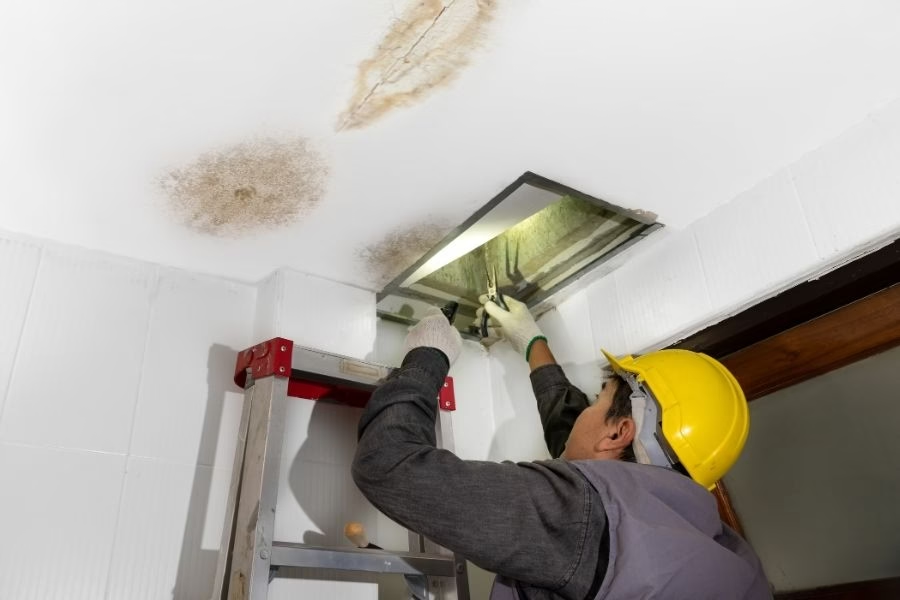
Our team uses moisture meters to find water you cannot see behind the ceiling.
Frequently Asked Questions
Can a stained ceiling fix itself once the leak stops?
No. Once drywall soaks up water, it stays weak even after drying, and the stain will not fade on its own. You will need to dry it, treat any mold, and repaint the drywall.
How do I tell if the water damage is old or new?
Fresh damage feels damp and looks darker, often with soft drywall. Older damage is dry, lighter, and usually ringed. Not sure? A moisture meter settles it in seconds.
Does home insurance cover ceiling water damage?
It depends on the cause. Most policies cover sudden events like a burst pipe or storm, but not slow leaks that built up over months. Photograph it early and file your claim fast.
Water on the ceiling rarely fixes itself, and it usually points to something bigger overhead. Spot a stain, a bubble, or a sag? Our team at Austin Fire & Flood is here to help.