
Jump to a Section
You’re standing in your yard the morning after a Texas thunderstorm, and the roof looks rough. Hail in the grass, a tree limb across the patio cover, a wet spot creeping along the living room ceiling. The next 24 hours matter more than most homeowners realize, especially for storm damage and water damage restoration in Austin. Our team at Austin Fire & Flood put together this short action plan so you know what to do, what to skip, and when to pick up the phone.
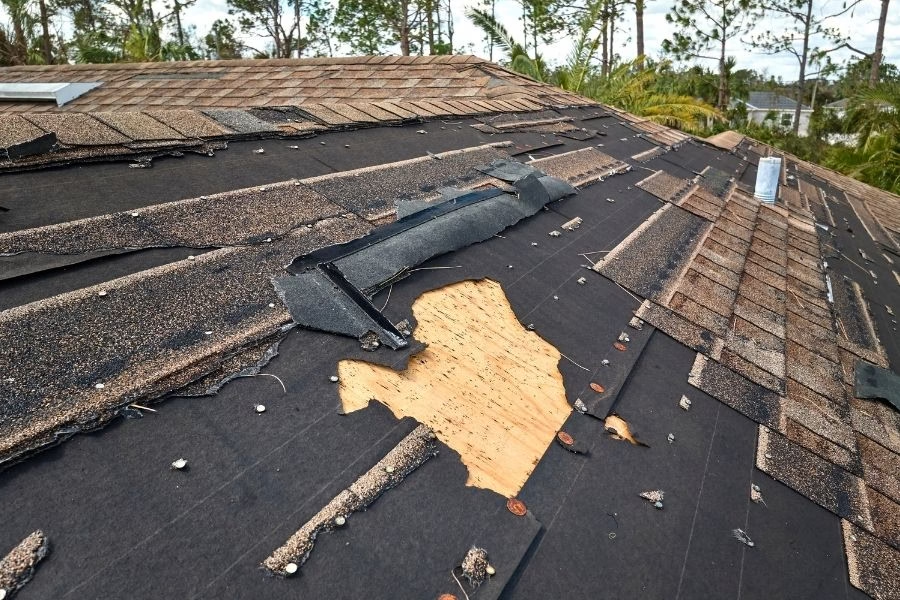
A typical Austin storm pattern: hail and wind on the outside, water finding its way in within hours.
The First 30 Minutes: Safety Before Anything Else
Before you grab a tarp or a phone, do a quick safety sweep. Storm damage hides real hazards. Power lines drop into wet yards. Gas lines shift when a tree falls. Roof decking gives way underfoot if hail did a number on it.
Run through this list before anything else:
- Downed lines: Stay at least 35 feet from any wire. Call your utility, not the line.
- Gas smell: If you smell rotten eggs, leave the house and call from outside.
- Sagging ceilings: A bulge means trapped water. Don’t poke it without a bucket below.
- Structural shifts: Cracked walls, doors that won’t close, popped nails. Wait outside.
If anything lands as a yes, leave the property and call from a neighbor’s house or your car. The National Weather Service flood safety guidance is worth bookmarking before storm season, too.
Document Damage Before You Touch a Thing
The single biggest favor you can do your insurance claim happens in the first hour: photograph and video everything before you move, dry, or clean. Adjusters look for a clean evidence trail, and so does the carrier behind them.
Walk through the house with your phone in video mode. Narrate as you go. Then go back and shoot stills of:
- The exterior from all four sides, including hail on the ground
- Ceilings, walls, and floors in every affected room
- Soaked furniture and electronics, with serial numbers when visible
- The attic, if it’s safe to access
Keep originals. Don’t crop, edit, or filter. Half the insurance disputes we see come down to thin documentation, not actual coverage gaps. Our step-by-step guide on what to do immediately after water damage walks through the rest of the checklist.
Already finding water inside? Don’t wait for it to spread.
Every hour after a storm stacks on drywall damage, swollen wood, and the start of a mold colony. We’re on call 24/7, 365 days a year.
Where Hidden Water Loves to Hide
Hail and high wind open up the roof in places you can’t see from the driveway. Water then takes the path of least resistance, which usually isn’t a dramatic ceiling drip. It’s a slow trickle into a wall cavity.
Check the spots most Austinites miss:
- Attic decking: Flashlight along the underside of the roof. Wet insulation, dark streaks, or daylight through nail holes are all flags.
- Ceiling perimeters: Stains show up near exterior walls first, not the middle of a room.
- Baseboards and trim: Run your hand along the bottom three inches. Swollen or cool means water has wicked in.
- Windows and door casings: Wind-driven rain finds weak seals fast.
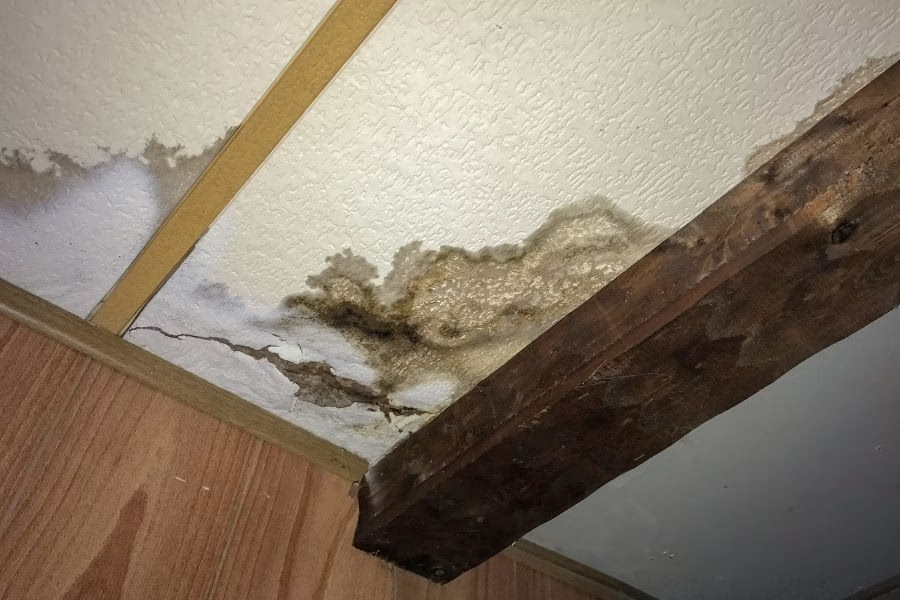
Most storm-related water intrusion hides in the attic and wall cavities, not the ceiling stains homeowners spot first.
The 24 to 48 Hour Mold Window
Mold needs three things to start a colony: moisture, organic material, and warmth. Austin summers serve up all three. Once water sits inside drywall or insulation past about 48 hours, our crew isn’t drying a clean loss anymore. We’re handling professional mold remediation. Our piece on combatting mold growth after storm damage and flooding goes deeper on the cleanup side.
Post-Storm Water Damage Timeline
| Hour 1: Water reaches drywall, carpet padding, and insulation. |
| 12 to 24 Hours: Wood swells, paint bubbles, mold spores activate. |
| 24 to 48 Hours: Active mold colonies form. Scope shifts to remediation. |
| Day 3+: Structural damage compounds. Reconstruction often needed. |
Safe DIY vs. Leave It Alone
Some things you can do while you’re waiting for a restoration crew. Others, please don’t.
| Safe to Do | Leave It Alone |
|---|---|
| Move valuables to a dry room | Walking on a hail-damaged roof |
| Tarp from inside the attic if reachable | Running a wet/dry vac on sewage water |
| Open windows when outside humidity is lower than indoors | Using a household fan in standing water |
| Mop up clean rainwater on tile or sealed concrete | Signing with a door-knocking storm chaser |
That last one is important. After every major hail event, out-of-state contractors descend on Austin neighborhoods. They knock, push hard, and leave behind problems that cost more to undo than the original damage. If someone shows up before your insurance adjuster does, take a card and shut the door.
Why Call Restoration Before the Adjuster
Insurance carriers don’t pay for what isn’t documented or scoped the right way. We handle claims directly, which means our crew can meet your adjuster on-site and speak the same scope-of-loss language they do. That coordination alone is usually worth the call. The FEMA flood preparedness and recovery overview lays out the federal piece if your area gets a disaster declaration.

Our team can meet your adjuster on-site so the scope of loss gets documented correctly from the start.
Hail tops the list of weather damage causes in central Texas, and flash flooding is the region’s top hazard. Both leave water inside a house that wasn’t supposed to have it. Whether you’re in central Austin or our Round Rock service area, we keep the full job, from extraction through in-house rebuild and reconstruction, under one roof.
Frequently Asked Questions
How long do I have to report storm damage to my insurance company?
Most Texas homeowner policies require prompt notice, often interpreted as within 30 days. The practical answer is much shorter. Call within 24 to 48 hours so mitigation can begin before secondary damage stacks on top of the original loss.
Should I tarp my own roof after a hailstorm?
Only if it’s a small, accessible area you can reach without climbing on damaged decking, and only after the storm has passed. If wind is still gusting or the roof shows any sagging, leave tarping to a crew with fall protection.
Can mold really start growing within 24 hours after a storm?
Yes. With Austin’s humidity and warm interior temperatures, mold spores can begin colonizing wet drywall, carpet padding, and insulation within 24 to 48 hours. Fast extraction and drying matters more than most homeowners realize.
What’s the difference between cosmetic and water-causing storm damage?
Cosmetic damage is dented gutters, bruised siding, or scratched paint. Water-causing damage breaches your home’s envelope: roof, windows, doors, or foundation. Cosmetic items can wait. Anything letting water in needs same-day attention.