
Jump To:
Spring in Austin means bluebonnets, patio weather, and (unfortunately) flash floods. If you’re a North Austin homeowner, flash flood preparation isn’t optional. It’s essential. Between March and May, severe thunderstorms can dump several inches of rain in under an hour, turning neighborhood streets into temporary rivers. At Austin Fire & Flood, our team has responded to hundreds of emergency water damage restoration calls triggered by spring storms, and the homes that fare best are always the ones that prepared before the first drop fell.
Why Do Flash Floods Hit North Austin So Hard?
North Austin sits on some of the most flood-prone terrain in Central Texas. Clay-heavy soil, rapid development, and rolling topography create a recipe for fast-moving water. Clay soil doesn’t absorb rain well. Instead, water sheets across the surface and funnels into low-lying areas and residential streets within minutes.
Communities like Cedar Park, Round Rock, and Pflugerville have all dealt with significant flooding in recent years. According to Ready.gov, flash floods are the number one weather-related cause of death in the United States, and they can occur within minutes of heavy rainfall.
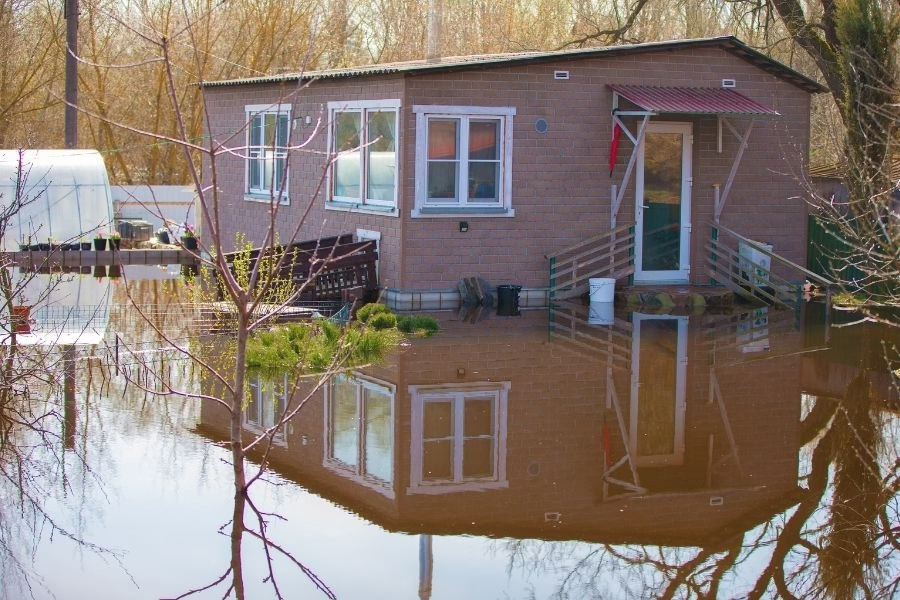
Flash flooding can surround homes in minutes, especially in areas with poor drainage and clay soil.
Your Spring Storm Prep Checklist
Most water damage we see after spring storms could have been reduced, or prevented entirely, with a few hours of prep work. Here’s what our team recommends.
☑ Flash Flood Prep Checklist for North Austin Homeowners
- Clean gutters and downspouts so water flows away from your foundation, not toward it.
- Grade your yard so the ground slopes away from your home on all sides.
- Inspect your crawl space for signs of past moisture intrusion or standing water.
- Seal cracks in your foundation and around basement windows or exterior doors.
- Install or check flood sensors in low-lying areas of your home.
- Elevate appliances like washers, dryers, and water heaters off the ground floor if possible.
- Document your belongings with photos and video for insurance purposes.
- Store important documents in a waterproof container or a safe above ground level.
Worried about storm damage to your property?
Our IICRC-certified team is on call 24/7, 365 days a year to help North Austin homeowners recover fast.
How to Protect Your Home Before the Storm Hits
Smart flood-proofing means understanding where water enters your home and stopping it at the source.
Foundation and Grading
North Austin homes are typically built on slab foundations, which means water doesn’t have far to travel before it’s inside your living space. Walk your property after a light rain and watch where water pools. Those low spots are exactly where floodwater will collect during a serious storm. Make sure the ground slopes at least six inches over the first ten feet away from your foundation walls.
Crawl Spaces and Entry Points
Crawl spaces are extremely common in Austin-area homes, and they’re one of the first places water sneaks in during a flood. If yours doesn’t have a vapor barrier or proper encapsulation, moisture will accumulate and create conditions for mold growth that requires professional remediation.
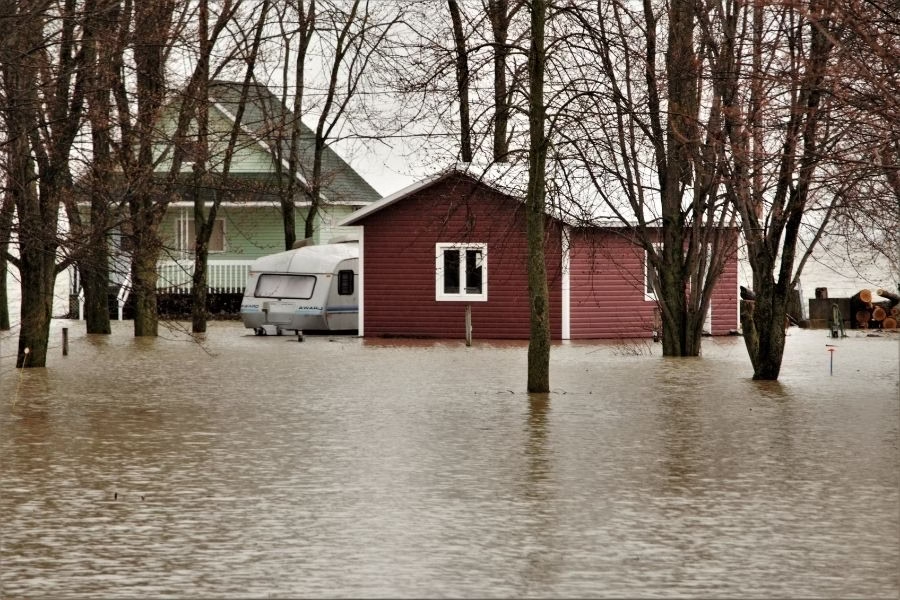
Entire neighborhoods in North Austin can flood during severe storms, especially in areas near creek beds.
DIY Prep vs. Professional Assessment: When to Call In Help
| Task | DIY | Call a Professional |
|---|---|---|
| Gutter cleaning | ✓ | |
| Yard grading adjustments | ✓ (minor) | ✓ (major regrading) |
| Foundation crack sealing | ✓ | |
| Crawl space encapsulation | ✓ | |
| Flood sensor installation | ✓ | |
| Water damage assessment after flooding | ✓ |
What Should You Do During a Flash Flood?
When a flash flood warning hits, you have minutes to act, not hours. The National Weather Service recommends moving to higher ground immediately if you’re in a flood-prone area. Don’t wait to see if the water rises.
If you’re home when flooding starts, shut off electricity to any areas where water could reach outlets or appliances. Don’t walk through moving water. Just six inches of fast-moving floodwater can knock an adult off their feet.
And never drive through flooded roads. Most flood-related deaths in Texas happen in vehicles.
After the Water Recedes: What Are the First Steps?
Once floodwater retreats, the clock starts ticking. Mold can begin growing within 24 to 48 hours, and materials like drywall and carpet absorb moisture that won’t dry on its own. Acting fast makes the difference between a manageable cleanup and a full-scale home restoration and rebuild project.
Here’s what our team at Austin Fire & Flood recommends you do right away:
- Don’t re-enter until it’s safe. Check for structural damage, downed power lines, and gas leaks before going inside.
- Document everything. Take photos and video of all damage before moving or cleaning anything. Your insurance claim depends on thorough documentation.
- Remove standing water as quickly as possible. Use a wet/dry vacuum if available, and open windows to start air circulation.
- Call a professional restoration team. Floodwater is almost always contaminated, often classified as Category 3 water (the most dangerous), which requires specialized equipment and training to handle safely.
If you’ve already experienced flooding and want to know exactly what to do step by step, check out our guide on what to do immediately after water damage.
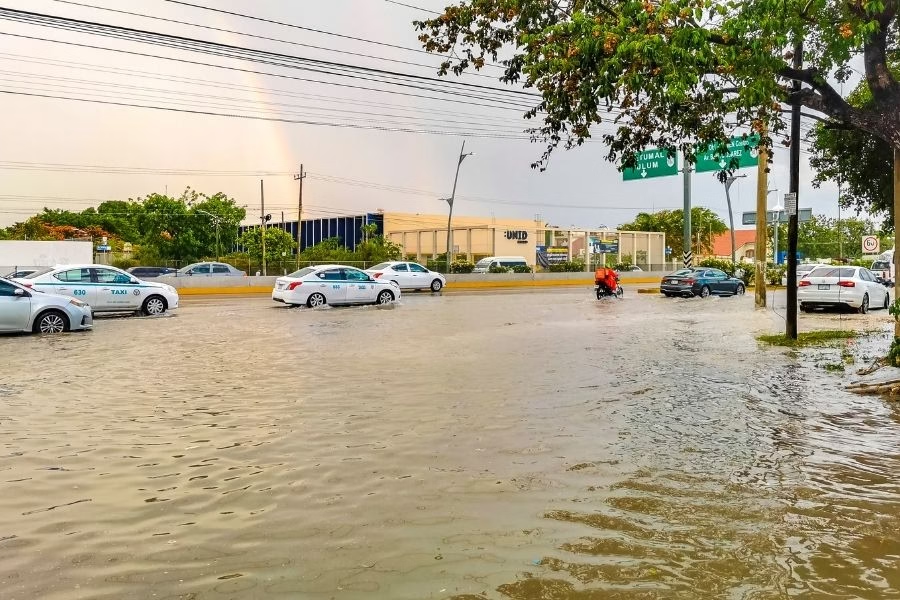
Submerged streets and stranded vehicles are a common sight during Austin’s spring flash flood events.
Water damage doesn’t always show itself right away. Moisture can linger behind walls, under flooring, and inside crawl spaces for weeks. Our IICRC-certified technicians use professional moisture meters and thermal imaging to find hidden water that homeowners miss. You can also learn about how to combat mold growth after storm damage to stay ahead of potential health risks.
Spring Storms Don’t Wait, and Neither Should You
Whether you need help preparing your home or recovering from flood damage, the team at Austin Fire & Flood is here for North Austin homeowners, including Cedar Park, Round Rock, and Pflugerville. We’re available 24/7.
Frequently Asked Questions
How quickly can flash flooding occur in North Austin?
Flash flooding can happen within minutes of heavy rainfall in North Austin. Clay-heavy soil and increased impervious cover from development cause water to accumulate rapidly, especially near creeks and low-lying streets.
Is floodwater safe to walk through or clean up on my own?
No. Floodwater is almost always contaminated with bacteria, sewage, chemicals, and debris. It’s typically classified as Category 3 water, which requires professional handling with specialized equipment and safety protocols.
Does homeowners insurance cover flash flood damage in Austin?
Standard homeowners insurance policies don’t cover flood damage. You’ll need a separate flood insurance policy, typically through the National Flood Insurance Program (NFIP). If you already have coverage, Austin Fire & Flood works directly with insurance carriers to help streamline the claims process.
How soon after a flood should I call a restoration company?
Immediately. Mold can start growing within 24 to 48 hours after water exposure, and structural materials absorb moisture that causes long-term damage. The sooner professionals begin extraction and drying, the less extensive and costly the restoration will be.