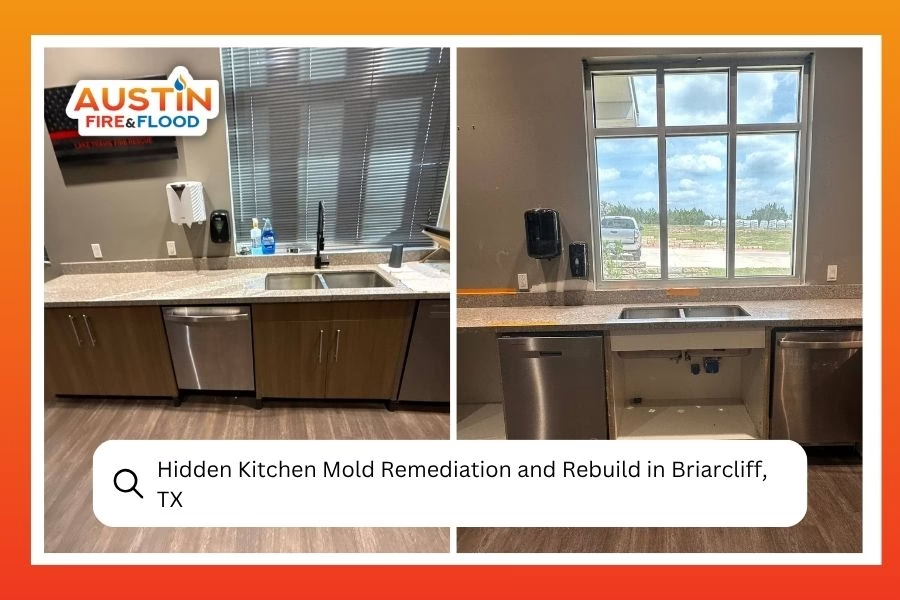
It started the way most mold calls do. Not with a leak the homeowner could see, but with a smell they couldn’t quite place. A musty edge near the kitchen sink. A floor that felt slightly off underfoot. By the time they called our team at Austin Fire & Flood for professional mold remediation, something had been growing behind the cabinets in their Briarcliff home for months.
That’s what makes hidden mold so tricky. When moisture is trapped somewhere dark and quiet, mold doesn’t announce itself. It just grows. This job was a textbook example of exactly what we mean when we tell homeowners that what you can smell is usually a sign of what you can’t see.
The Call: A Smell They Couldn’t Place
The homeowners had noticed the musty edge for a few weeks. At first they chalked it up to the trash, maybe an old sponge, maybe something in the disposal. But the smell kept coming back. Then the floor near the sink started to feel a little spongy. That was the moment they picked up the phone.
We hear this story more than you’d expect. Kitchens and bathrooms are the usual suspects for hidden moisture because that’s where the plumbing lives, but homeowners rarely think to look under the cabinets until something obvious happens. By the time the smell shows up, there’s almost always more going on than meets the eye.
December 10: What the Moisture Meter Revealed
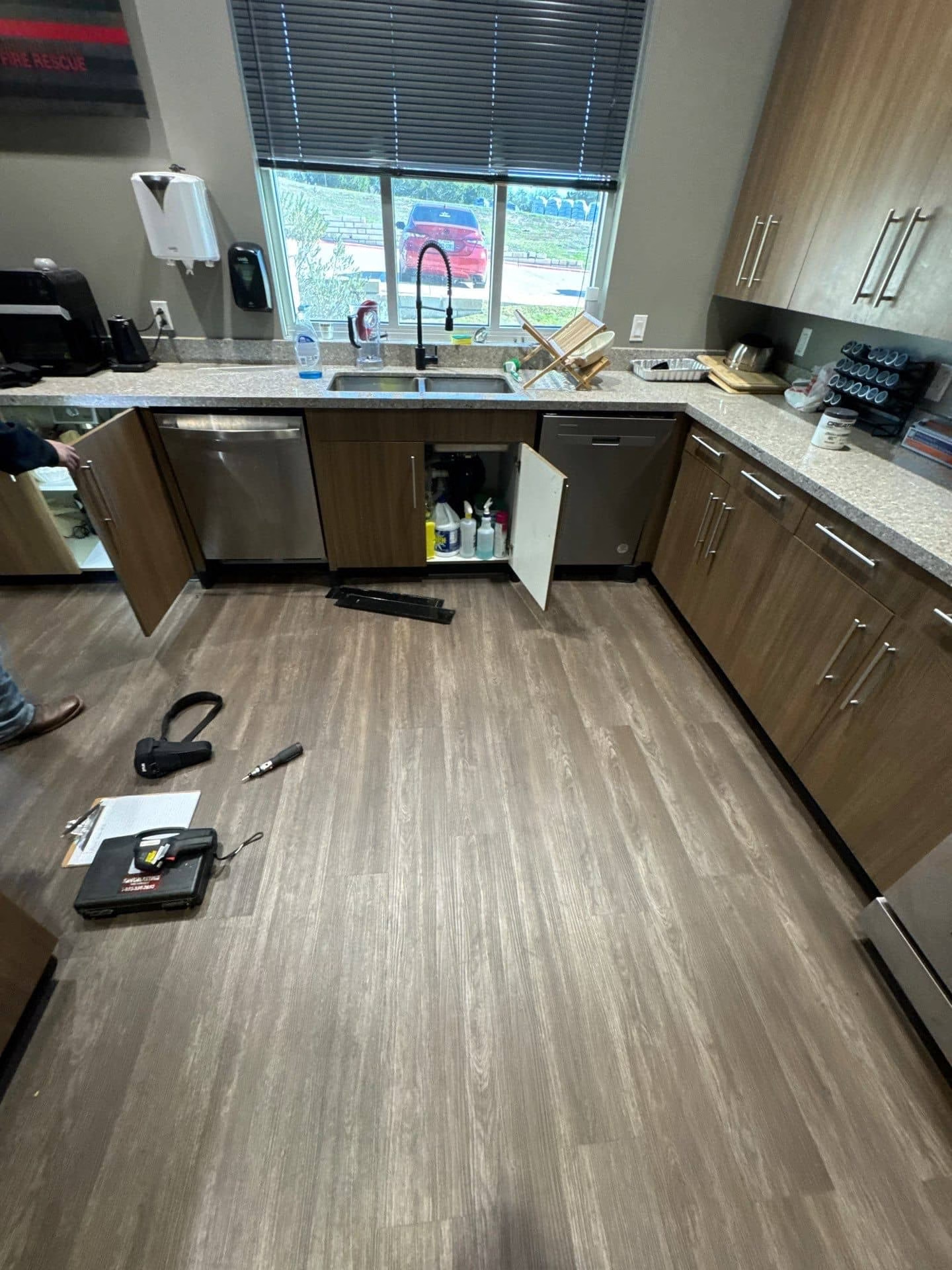
On December 10, our team ran a full forensic assessment. Visual inspection first, from the obvious spots to the ones most people overlook. Then the tools came out.
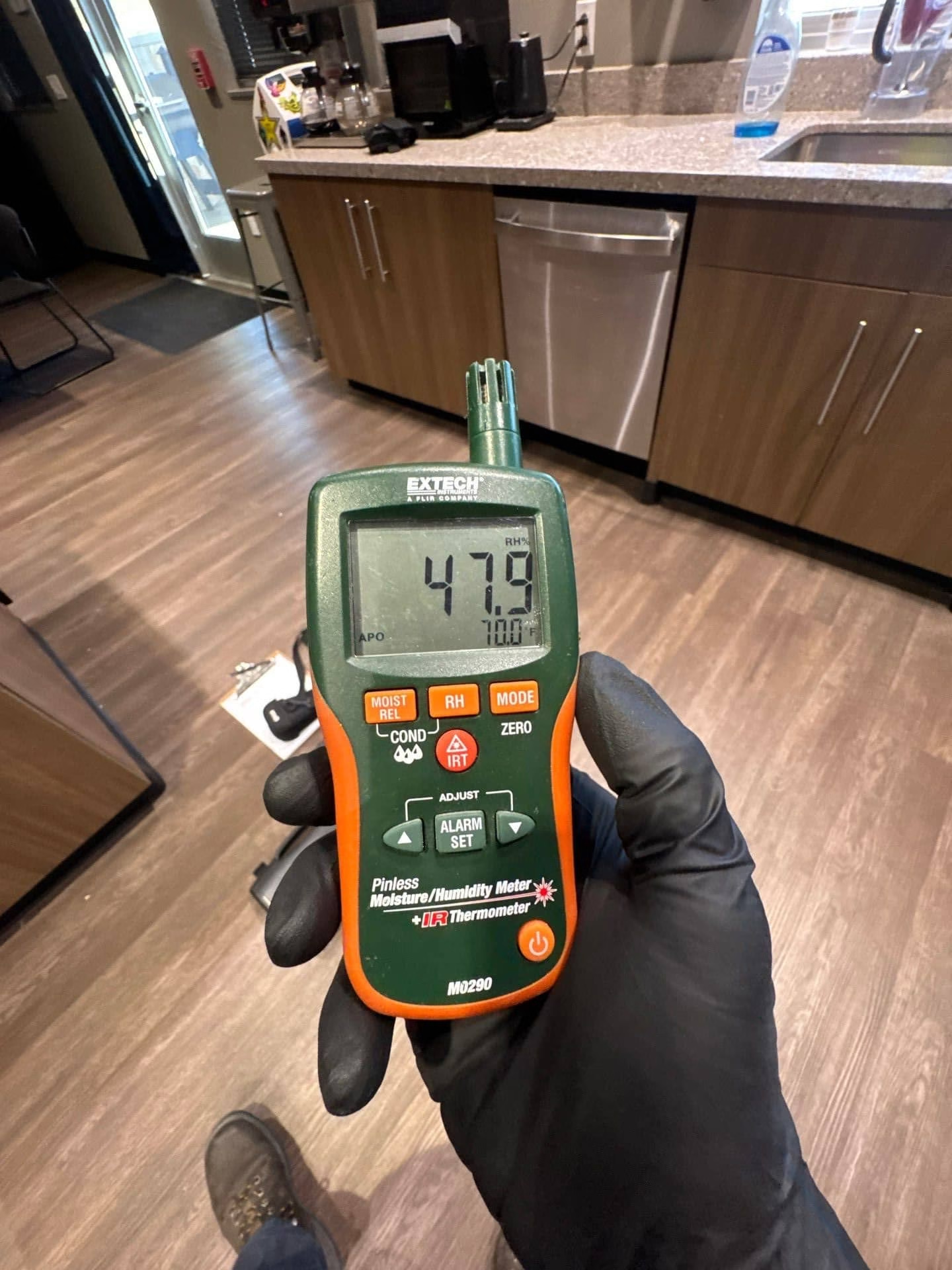
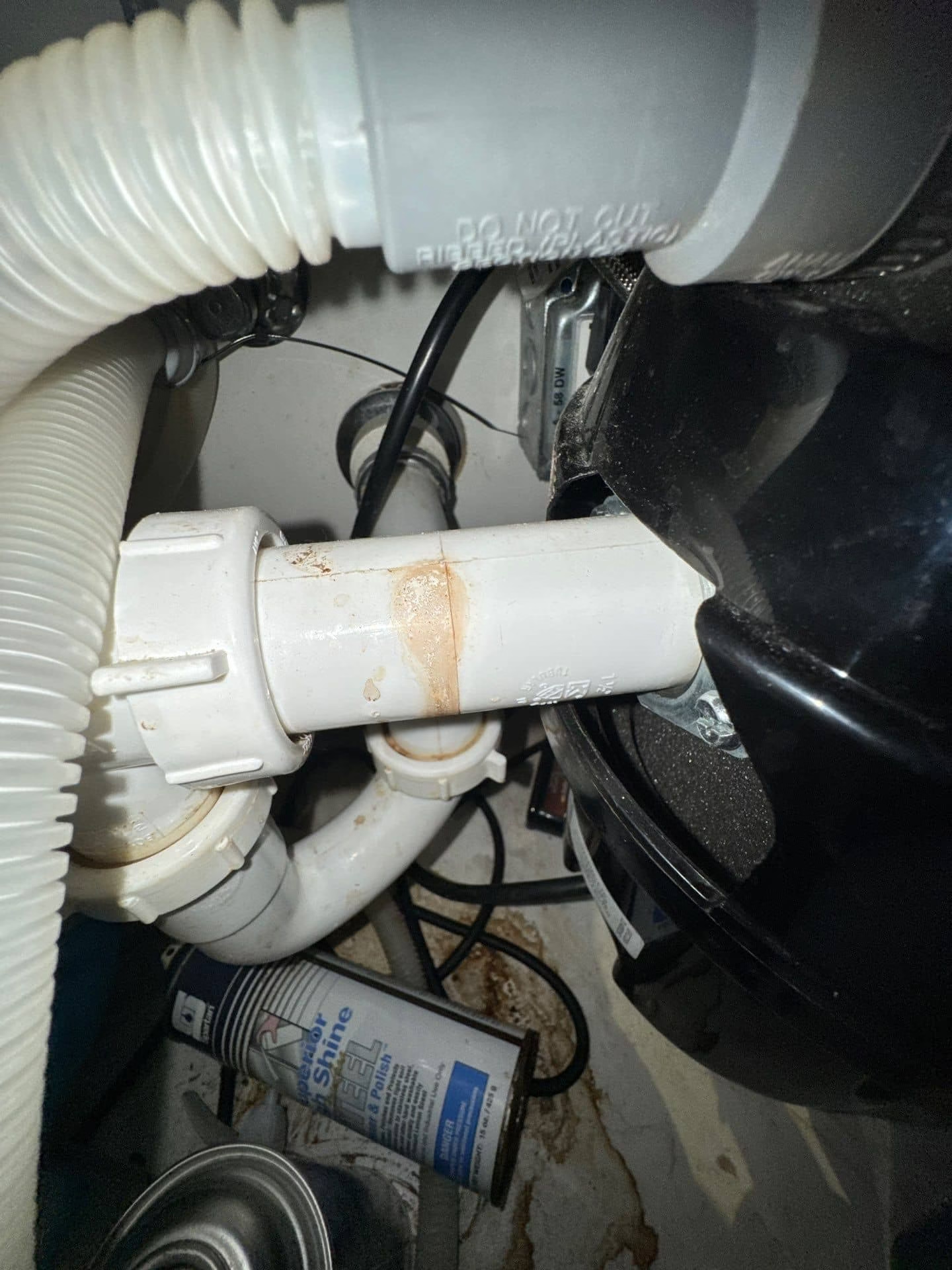
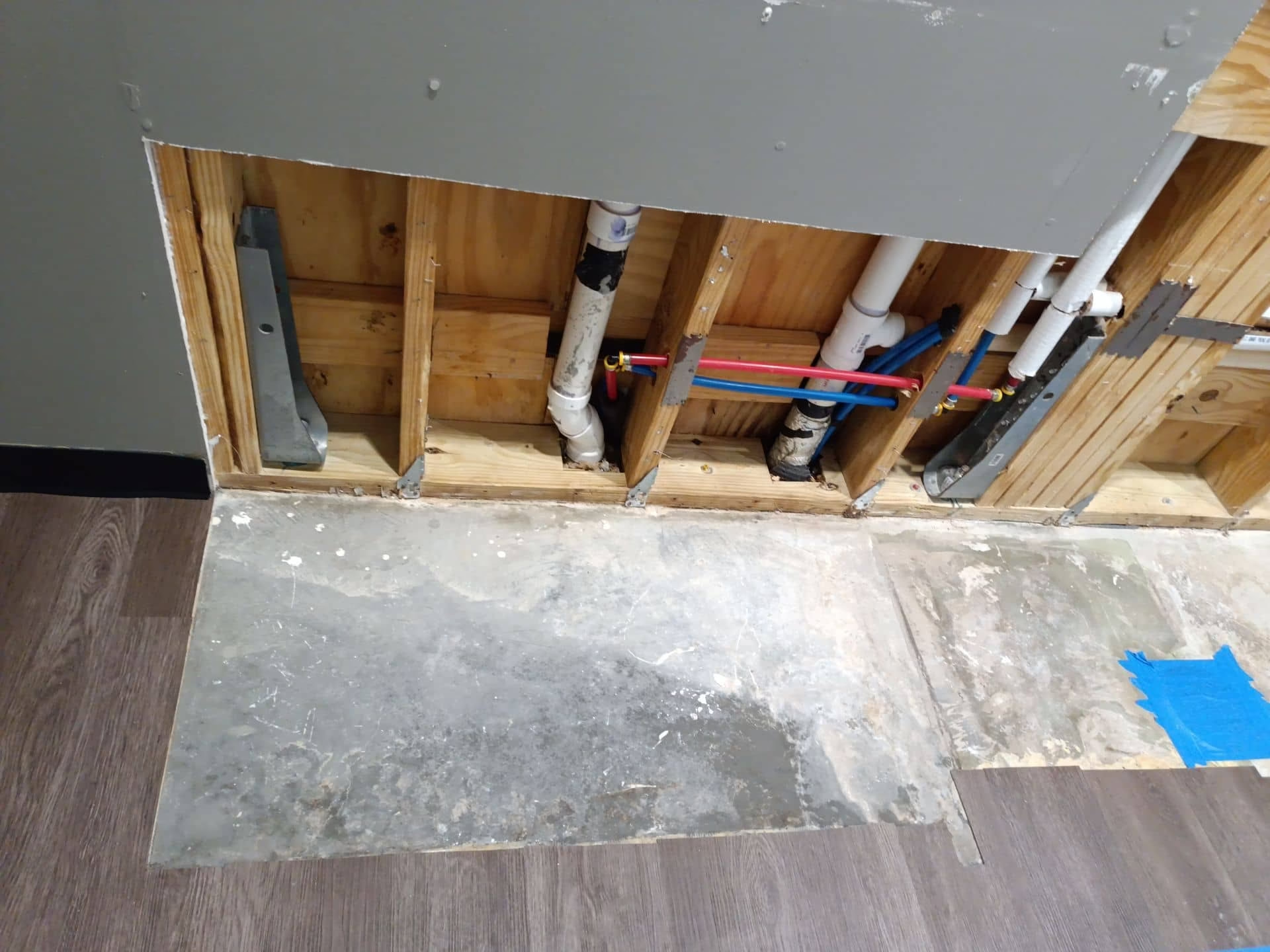
The moisture meter told the story the eye couldn’t. Elevated readings along the cabinet base. Higher readings still in the subfloor directly below the sink. We traced the pattern back to a slow weep from a drain line that had been feeding the cabinet base for months. From the outside, the kitchen looked perfectly dry. Inside the walls and under the flooring, it was a quietly growing problem.
Initial walkthrough, moisture mapping, and the culprit we eventually uncovered: a leaking drain pipe hiding under the sink.
|
|
|
December 18: Containment, Negative Air, and the S520 Protocol
Mold remediation isn’t something you want to do halfway. When you disturb contaminated materials, spores go airborne, and without proper containment those spores ride the HVAC system into every room of the house. That’s why we follow the IICRC S520 Standard for Professional Mold Remediation on every project we take on, residential or commercial.
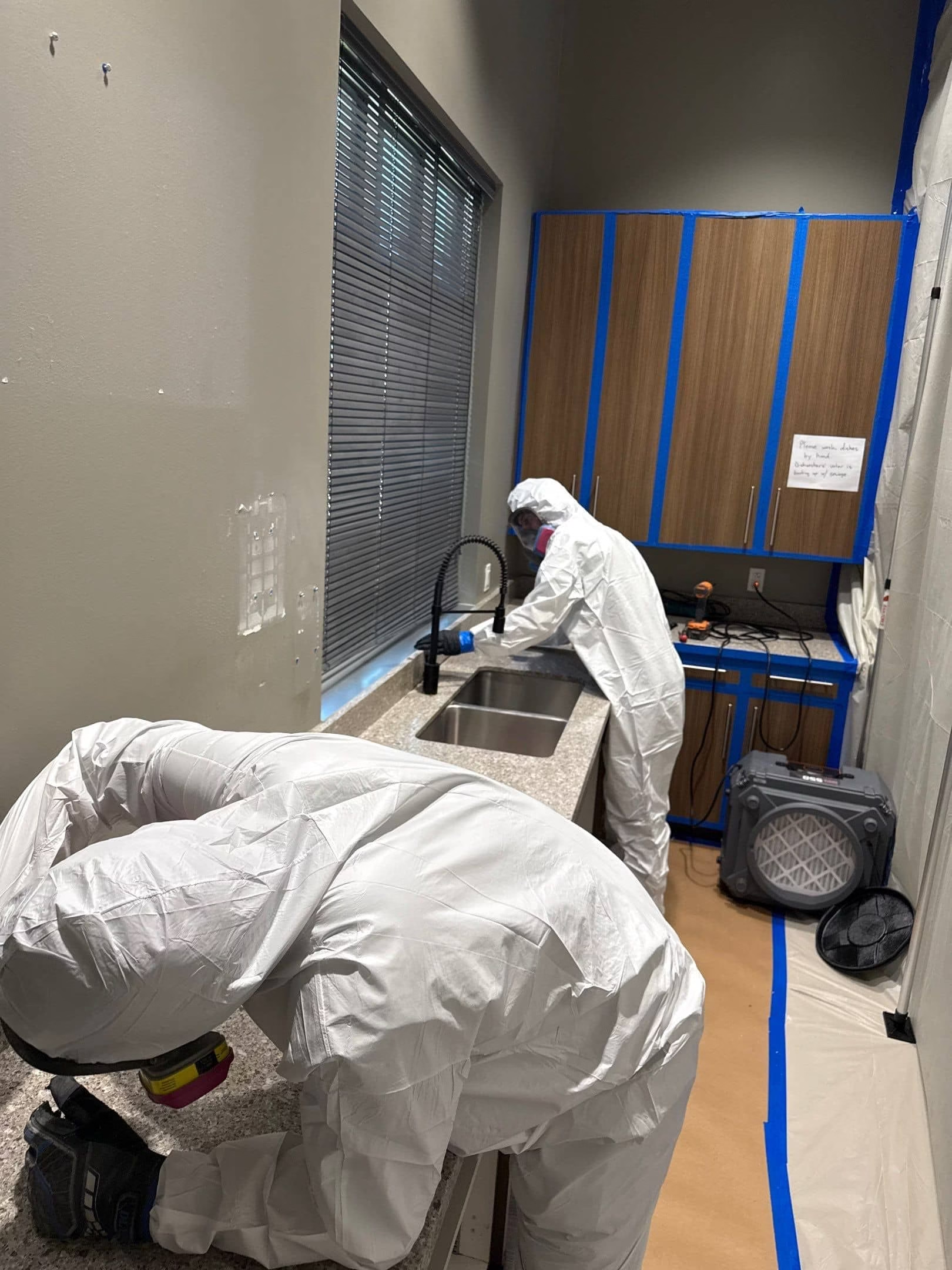
On December 18, we built full plastic containment around the kitchen. Negative air machines running, HEPA-filtered exhaust vented outside. Our technicians suited up in Tyvek and full-face respirators before a single cabinet came off the wall. Only then did we start the reveal.
The Containment Checklist
- Full plastic barriers sealing the kitchen from the rest of the home
- Negative air pressure inside the containment with HEPA-filtered exhaust
- Tyvek suits, gloves, and full-face respirators for every technician
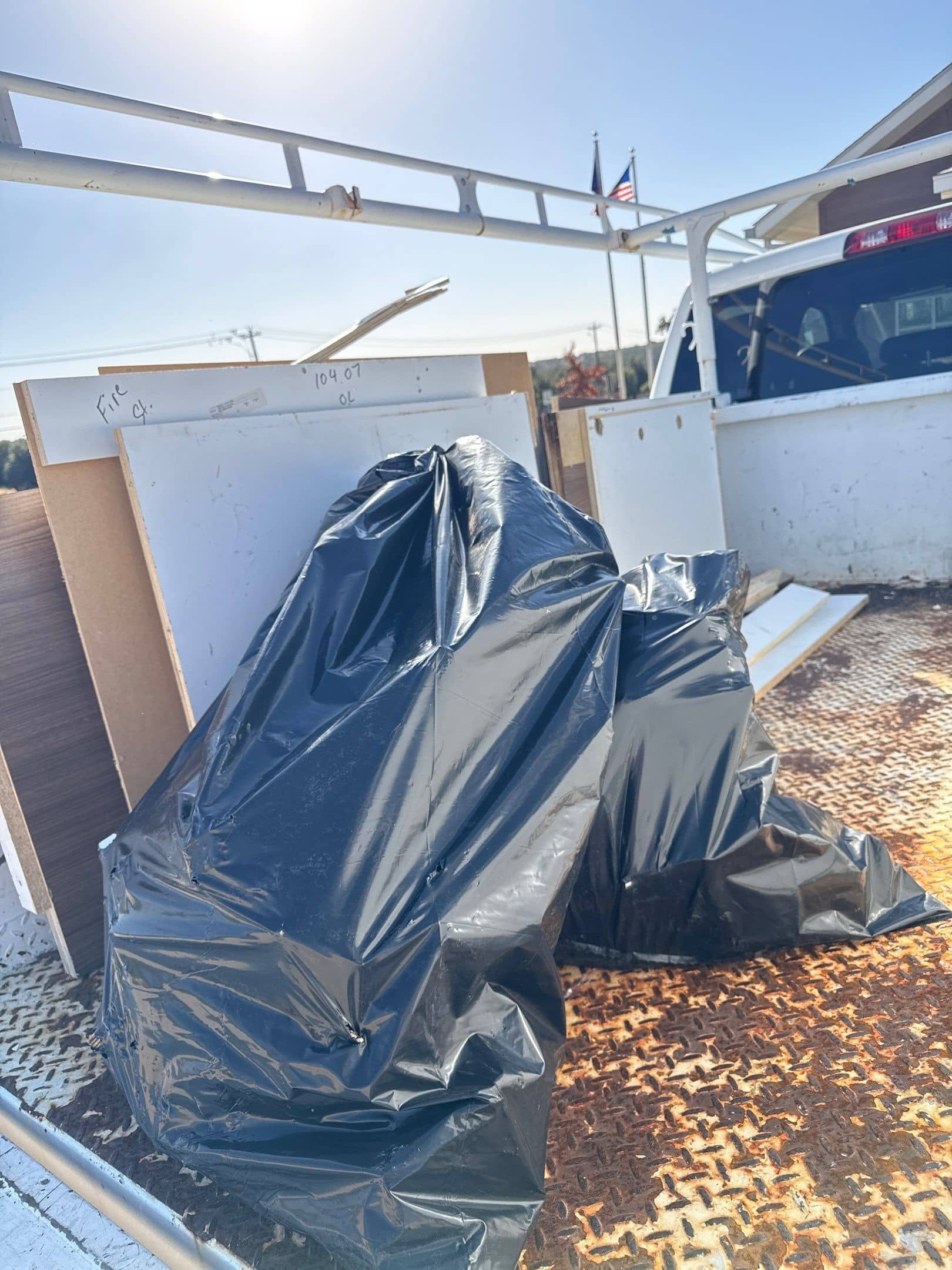
- All contaminated materials double-bagged on-site before removal
- Dedicated decontamination path in and out of the work area
|
|
|
What We Found Behind the Cabinets
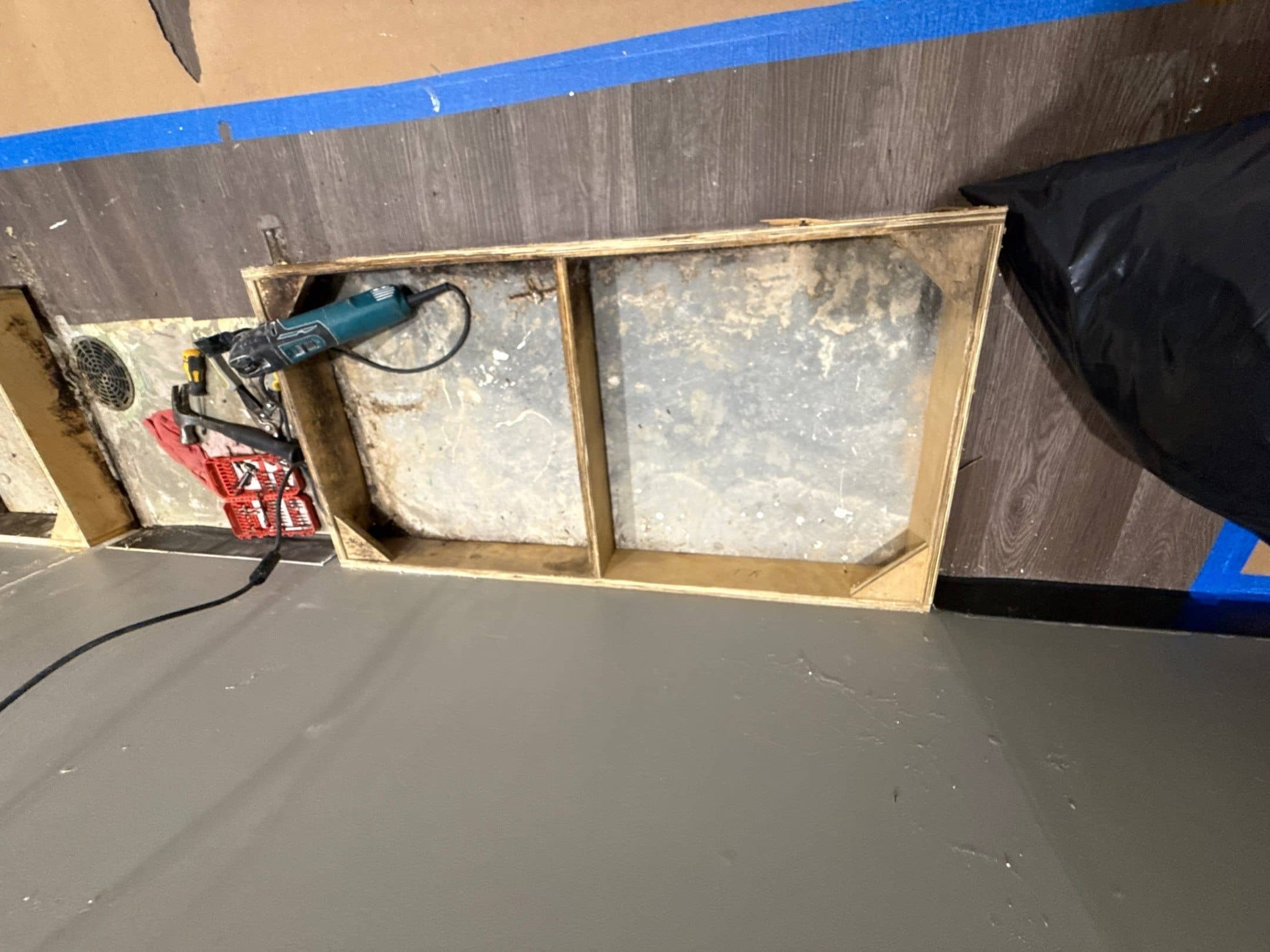
Cabinets out. Flooring up. What we uncovered matched the meter readings almost exactly. Black mold stretched across a wide section of the subfloor beneath the sink, and pockets of growth filled the wall cavity directly behind the failed drain line. Cabinet bases were saturated through.
Every contaminated material was double-bagged on the spot and hauled to approved disposal. The EPA’s guidance on mold cleanup is clear on this point: porous, contaminated materials have to go. Drying it out isn’t enough. Spraying it isn’t enough. You remove it, you remove it carefully, and you document everything as you go.
Rebuilding the Kitchen From the Studs Out
This is where having both remediation and full in-house rebuild services under one roof really matters. The homeowners didn’t have to find a separate contractor, coordinate schedules, or re-explain the damage. Our team just kept going.
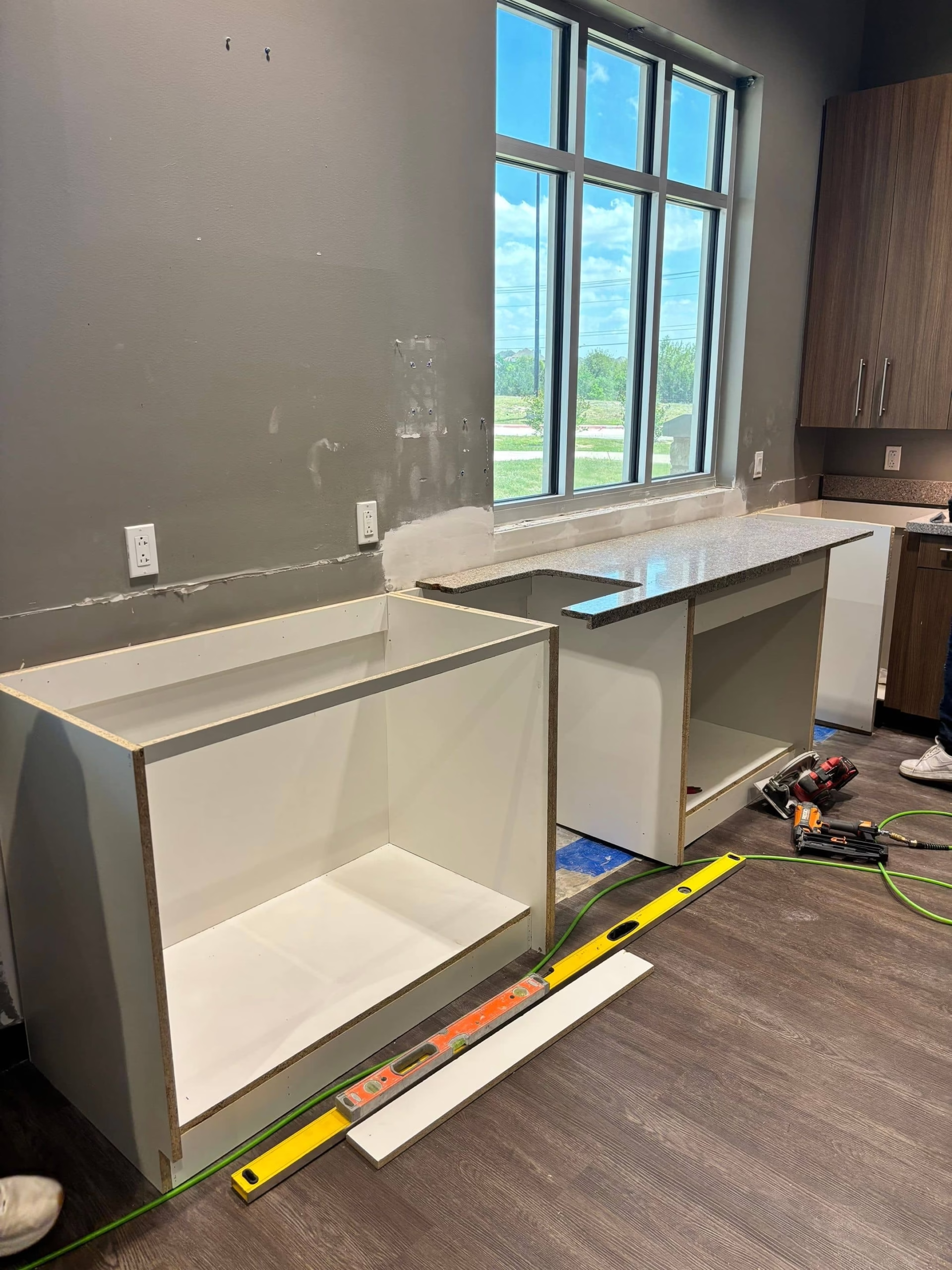
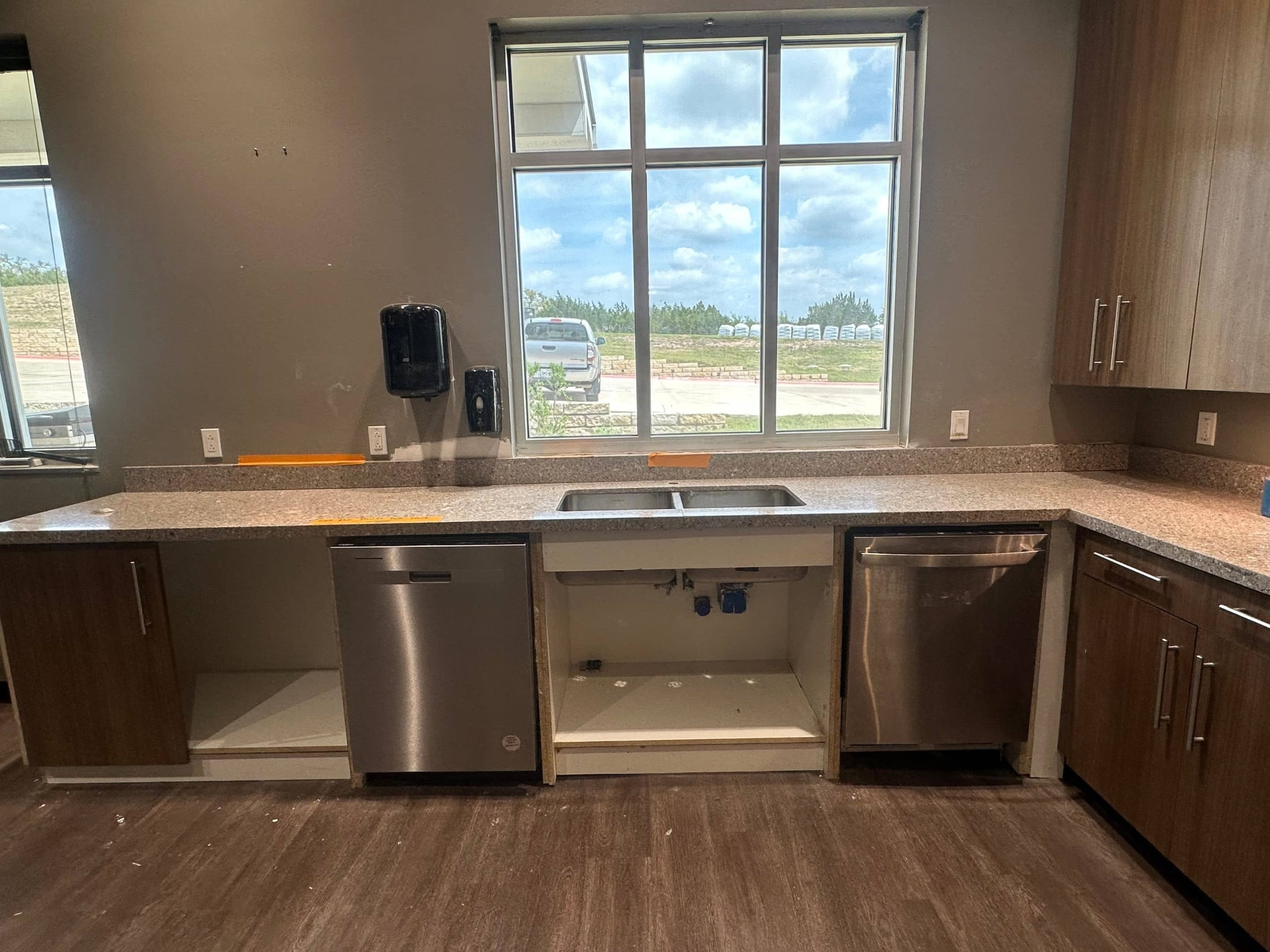
Through late March, reconstruction moved forward in stages. Clean framing. New subflooring. New plumbing to replace the failed drain line that caused the whole mess in the first place. Then cabinetry, countertops, sink, faucet, and appliance reinstallation. By April 1, the homeowners had their kitchen back. Clean. Dry. Safe. And this time, built right.
|
|
|
Why Hidden Mold Is So Common in Austin-Area Kitchens
Austin’s humidity, clay soils, and slab foundation construction create conditions where even a small, slow leak can turn into a mold problem surprisingly fast. A drip under the sink you can’t see? Give it a few months in the Texas climate and there’s a good chance something is growing where it shouldn’t be.
We’ve seen this pattern play out in a lot of ways. Even a single hidden leak can absolutely cause mold, especially when it goes undetected for weeks. That’s why we walk every client through the first steps to take after any water incident, and why we put together resources on protecting Austin homes from everyday damage sources.
With over 30 years of combined experience and IICRC certifications across water, mold, and fire, our team has seen just about every flavor of hidden moisture problem Austin homes can produce. When a homeowner calls us with a smell they can’t explain, we already know where to start looking.
Smell Something Musty You Can’t Track Down?
Hidden mold rarely gets better on its own. If your kitchen, bathroom, or laundry area has a musty edge you can’t explain, let our IICRC-certified team take a look. We handle everything from moisture mapping and remediation to full reconstruction, all in-house, so you only have to tell the story once.
24/7 emergency response • Insurance claims handled directly • Locally, family & women-owned