
Jump To:
Mold doesn’t always announce itself with a big stain on the ceiling. The most damaging growth usually happens in spots you’d never think to check. Here in Austin, our humid summers give mold spores exactly what they need to thrive. Our professional mold remediation team at Austin Fire & Flood has pulled mold out of places that made homeowners say, “I had no idea that was even possible.” Let’s walk through six sneaky hiding spots we see regularly.
1. Under Kitchen and Bathroom Sinks
The cabinet under your sink is one of the most common places mold grows undetected. Small drips from supply lines, P-trap connections, or garbage disposal seals create a constantly damp environment inside a dark, enclosed space.
Most people only open these cabinets for cleaning supplies. By the time they notice something, the mold has spread to the cabinet floor, back wall, and surrounding drywall. The EPA’s guide on mold and health notes that even small amounts of hidden mold can trigger respiratory symptoms, particularly for allergy sufferers.
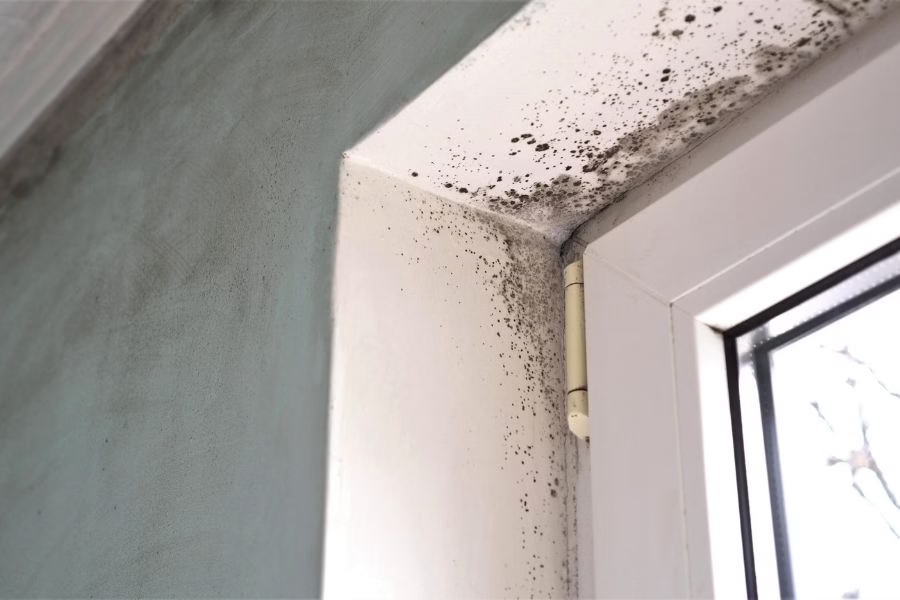
Window frames and sills collect condensation that fuels hidden mold growth, especially during Austin’s humid months.
2. Behind the Refrigerator
When was the last time you pulled your fridge away from the wall? Refrigerators produce heat and condensation from drip pans and water lines. That warm, moist air gets trapped between the appliance and the wall, making ideal conditions for mold.
Homes with ice makers carry extra risk because supply line connections can develop slow leaks. If you’ve dealt with water leaks causing mold, you know how fast a small drip becomes a bigger problem.
Think You Might Have Hidden Mold?
Our IICRC-certified team can inspect the spots most homeowners miss. We’ll find it, test it, and remove it the right way.
3. Inside Closets and Storage Areas
Closets on exterior walls are mold magnets. They stay closed most of the time, meaning poor air circulation. Clothes, shoes, and boxes block airflow further. When humidity climbs during an Austin summer, stagnant air holds moisture against walls and shelves.
Mold in closets usually starts on the back wall or along the baseboard. Leather, cotton, and cardboard give mold organic material to feed on. If your clothes smell musty even after washing, the closet is likely the culprit.
4. Around Window Frames and Sills
Condensation is a bigger deal than most people realize. Warm, humid air hitting a cooler window surface creates water droplets on the glass, frame, and sill. Over time, that moisture seeps into wood trim, caulking, and drywall.
Austin’s clay soil also plays a role. Foundation settling shifts window frames, breaking seals and letting rainwater in. The EPA recommends keeping indoor humidity between 30% and 50% to prevent condensation-related mold, something that takes effort in Central Texas.
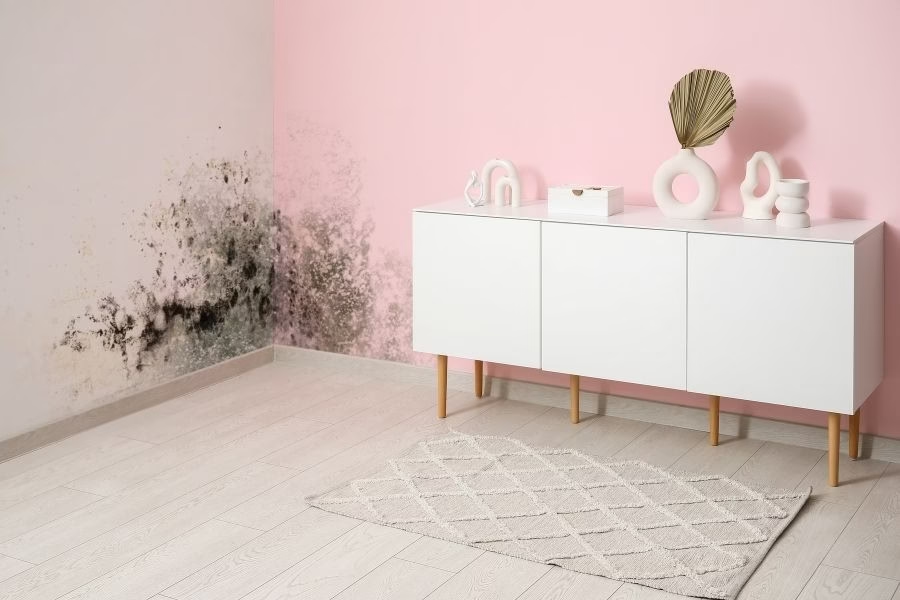
Furniture pushed against exterior walls traps moisture and blocks airflow, creating ideal conditions for hidden mold.
5. Behind Furniture on Exterior Walls
That bookcase or dresser pushed flat against an exterior wall? It’s blocking airflow and trapping humidity against the surface. Moist air condenses on the cooler wall behind the furniture, and mold grows without anyone noticing.
We see this frequently in bedrooms where large furniture stays in place for years. Improving airflow and controlling moisture are two of the best prevention strategies. Leave a few inches between furniture and exterior walls.
6. Inside and Behind the Washing Machine
Front-loading washers are notorious for mold around the rubber door gasket. Water pools in the folds of the seal after every cycle. But the back of the machine is just as risky. Supply hoses, drain lines, and the wall behind the unit can all harbor hidden moisture.
Laundry rooms in Austin homes often lack proper ventilation, making the problem worse. If freshly washed clothes smell sour, check that gasket and pull the machine forward. For more on how appliances contribute to water damage, our knowledge base covers common scenarios.
Hidden Mold Inspection Checklist
Check these areas monthly to catch mold early.
| Location | What to Look For | Risk |
|---|---|---|
| Under sinks | Damp pipes, musty smell, discolored cabinet floor | High |
| Behind refrigerator | Water stains on wall, drip pan overflow | High |
| Inside closets | Musty clothes, dark spots on back wall | Medium |
| Window frames | Condensation, peeling caulk, darkened trim | Medium |
| Behind furniture | Visible growth, damp wall, paint bubbling | Medium |
| Washing machine | Sour smell, black residue on gasket, damp wall | High |
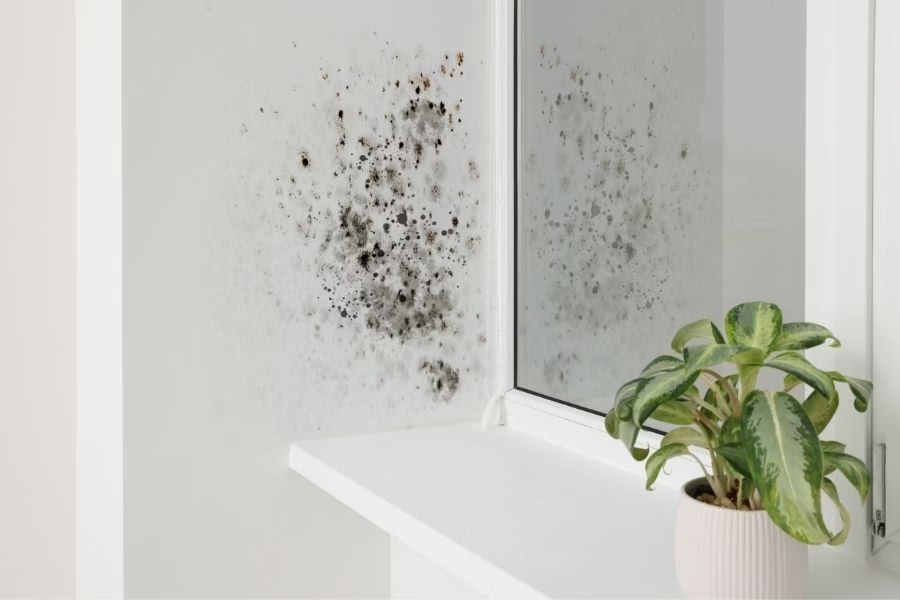
Bathroom fixtures like mirrors trap moisture behind them, giving mold a concealed space to grow.
What Should You Do If You Find Hidden Mold?
Small surface mold on non-porous material like tile can sometimes be cleaned with household products. But mold on drywall, wood, carpet, or insulation means the problem runs deeper than what’s visible. Mold sends roots called hyphae into porous materials. Wiping the surface won’t fix it.
For anything beyond a small spot, bring in a certified team. At Austin Fire & Flood, we use third-party testing to confirm the issue, follow IICRC protocols to remove the mold, and address the moisture source causing it. We also handle rebuild and repair work, so you’re not juggling multiple contractors. Homeowners across Austin, Cedar Park, Round Rock, and surrounding areas trust us to get it right.
If something looks off or smells off, don’t wait. Give our team a call and we’ll help you figure out the right next step.
Frequently Asked Questions
Can mold grow under a sink if there’s no visible leak?
Yes. Even minor condensation on cold water pipes can produce enough moisture for mold to grow. The dark, enclosed cabinet environment makes it worse because moisture has nowhere to evaporate.
How do I know if there’s mold behind my furniture or walls?
A persistent musty odor is usually the first clue. You might also notice paint bubbling, wallpaper peeling, or dark spots on the baseboard. A professional inspection with moisture meters is the most reliable way to confirm hidden mold.
Does homeowners insurance cover hidden mold removal?
It depends on the cause. Most policies cover mold when it results from a covered event like a burst pipe. Mold from ongoing neglect or long-term humidity is typically excluded. Austin Fire & Flood works directly with insurance carriers to help navigate claims.
How quickly can mold start growing in a hidden area?
Mold can begin colonizing within 24 to 48 hours with moisture, warmth, and organic material present. In Austin’s subtropical climate, hidden damp spots can develop mold growth faster than in drier regions.