
Jump To:
Water damage doesn’t always announce itself with a dramatic flood or burst pipe. Sometimes it creeps in quietly, hiding behind walls, underneath flooring, and in crawl spaces where you’d never think to look. Catching these problems early can save Austin homeowners thousands in water damage restoration costs and prevent long-term structural issues. Here are seven warning signs that water may be silently damaging your home.
1. Musty or Earthy Odors
Your nose knows. A persistent musty smell, especially in bathrooms, basements, or closets, often signals hidden moisture problems. This distinctive earthy odor comes from mold and mildew growth, which need only 24 to 48 hours to begin colonizing damp materials.
Pay attention if the smell gets stronger in certain areas or after humid weather. According to the EPA’s guide on mold and moisture, mold can grow on virtually any organic material as long as moisture is present. Finding the water source is critical, as simply masking the odor won’t solve the underlying problem.
2. Warped or Buckling Floors
Wood and laminate floors absorb moisture like sponges. When water seeps underneath, the material expands unevenly, creating warped, buckled, or cupped sections. You might notice boards lifting at the edges or feel a slight bounce when walking across certain spots.
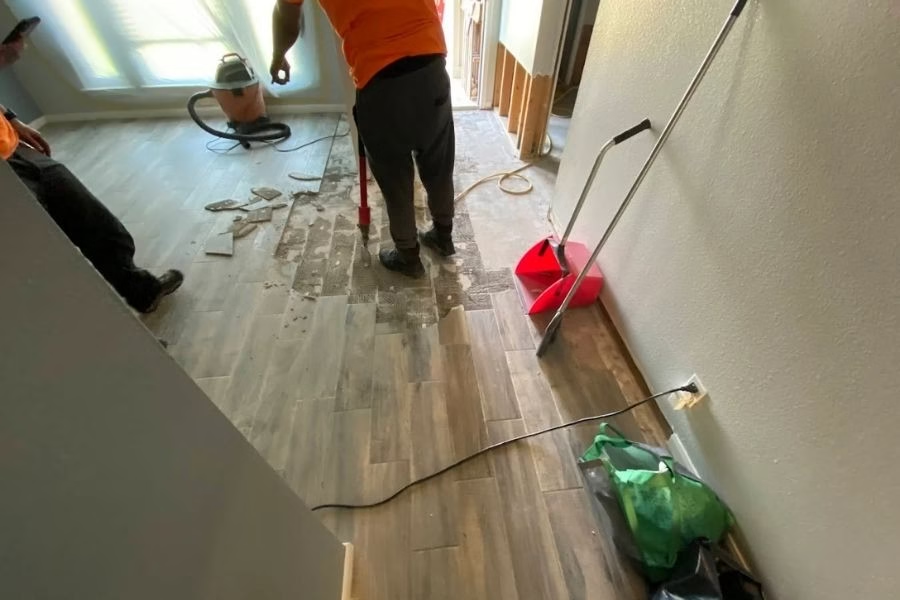
Tile removal reveals water damage affecting the subfloor beneath.
In Austin homes, common culprits include slow leaks from dishwashers, refrigerator water lines, and washing machines. Crawl space moisture is another frequent offender. Don’t ignore these signs, as warped flooring typically indicates water has been present for weeks or longer.
3. Stains and Discoloration on Walls or Ceilings
Yellow, brown, or copper-colored stains spreading across walls or ceilings are classic indicators of water intrusion. These marks form when water carries minerals and dirt through building materials, leaving visible residue as it dries.
Ceiling stains often point to roof leaks or plumbing problems above. Wall discoloration near windows could indicate seal failures. Ring-shaped stains suggest recurring leaks that dry and reappear. Even if the stain looks old, the underlying damage may still be actively worsening.
Concerned About Hidden Water Damage?
Our IICRC-certified technicians use thermal imaging and professional moisture detection equipment to find problems invisible to the naked eye. We serve Austin and surrounding areas 24/7.
4. Peeling Paint or Bubbling Wallpaper
When paint peels, cracks, or bubbles for no apparent reason, moisture is usually to blame. Water breaks the bond between paint and the surface beneath, causing the coating to lift away. Wallpaper exhibits similar behavior, developing bubbles or curling edges as adhesive fails.
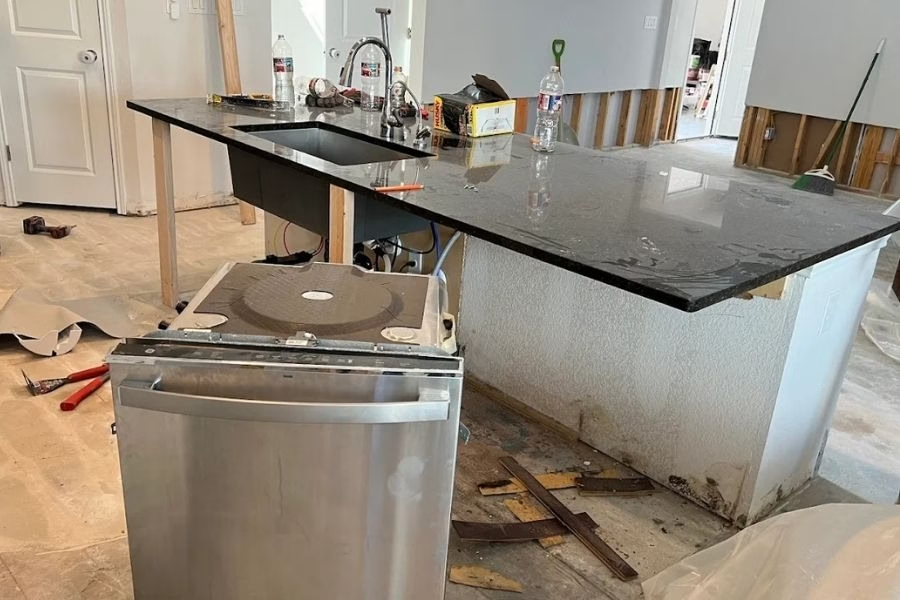
A dishwasher leak can cause extensive damage to kitchen flooring and cabinets.
This damage commonly appears near windows, in bathrooms, and along exterior walls. Simply repainting without addressing the moisture source guarantees the problem will return. If you notice these signs alongside a musty smell, mold may already be growing inside the wall cavity.
5. Unexplained Increase in Water Bills
A sudden spike in your water bill, without any change in usage habits, often indicates a hidden leak. Even a small drip can waste thousands of gallons monthly. Slab leaks, in particular, are notorious for going undetected while causing significant damage beneath Austin homes.
Check your water meter with all fixtures turned off. If it continues moving, water is escaping somewhere in your system. Our article on what to do immediately after water damage explains how fast response prevents escalation.
Water Damage Warning Signs Quick Reference
| Warning Sign | Common Causes | Urgency Level |
|---|---|---|
| Musty odors | Mold growth, trapped moisture | High |
| Warped floors | Appliance leaks, crawl space moisture | High |
| Wall or ceiling stains | Roof leaks, plumbing issues | Medium to High |
| Peeling paint | Interior wall moisture, humidity | Medium |
| Higher water bills | Hidden pipe leaks, slab leaks | High |
| Soft wall spots | Prolonged moisture exposure | Very High |
| Visible mold | Ongoing water intrusion | Very High |
6. Soft or Spongy Spots in Walls
Press gently on your drywall in areas prone to moisture. Healthy drywall feels firm and solid. If it gives under light pressure or feels soft and spongy, water has compromised the material’s integrity. This is serious.
Soft spots indicate prolonged moisture exposure. The drywall has absorbed significant water and may be harboring mold growth behind the surface. Even a single leak can trigger mold development within days under the right conditions.
7. Visible Mold Growth or Dark Spots
By the time you see mold, the underlying moisture problem has likely existed for a while. Mold appears as fuzzy patches, dark spots, or powdery substances in various colors, including black, green, gray, and white. Check corners, window frames, under sinks, and around plumbing fixtures.
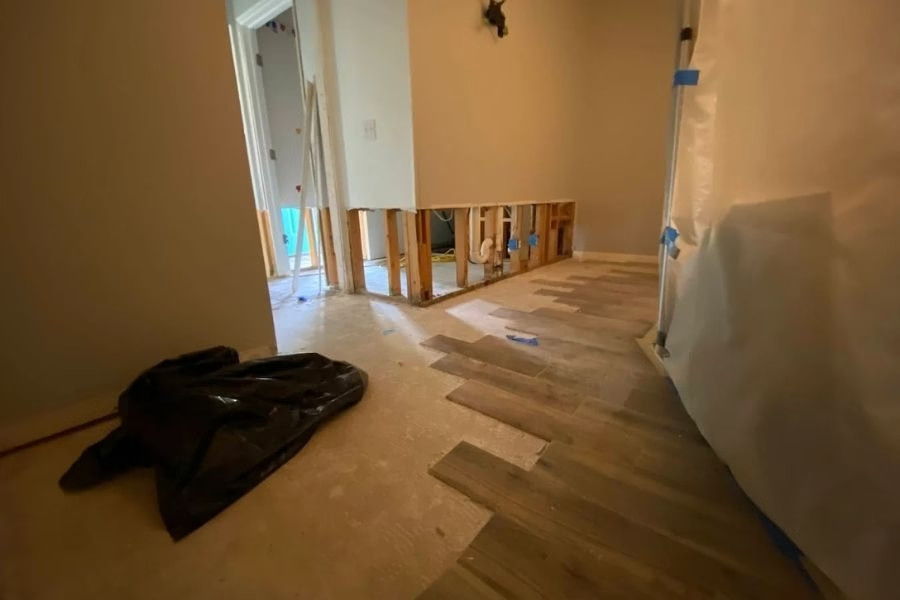
Professional drying equipment removes moisture from affected areas to prevent mold growth.
Small patches under 10 square feet may be manageable for homeowners with proper precautions. The CDC recommends wearing protective gear and ensuring proper ventilation during any mold cleanup. Larger areas, or any mold in HVAC systems, require professional mold remediation. Disturbing mold improperly can spread spores throughout your home.
What to Do If You Spot These Warning Signs
Don’t wait and hope the problem disappears. Water damage worsens over time, and restoration costs increase with delay. Here’s a quick action checklist:
- Identify and stop the water source if possible
- Document the damage with photos for insurance purposes
- Avoid using electrical outlets in affected areas
- Increase ventilation by opening windows and running fans
- Call a professional restoration company for assessment
Austin Fire & Flood provides 24/7 emergency response throughout the Austin area. Our IICRC-certified technicians can locate hidden moisture, assess the full extent of damage, and develop a restoration plan. We work directly with insurance companies to streamline the claims process. Ready to get answers about your home? Contact our team today.
Frequently Asked Questions
How quickly does hidden water damage lead to mold growth?
Mold can begin growing within 24 to 48 hours after water exposure, given warm temperatures and organic materials to feed on. This timeline makes fast detection and response critical for Austin homeowners, especially during our humid summer months.
Can I check for hidden water damage myself?
You can identify many warning signs through visual inspection, smell, and touch. However, moisture hidden deep within walls, under flooring, or in crawl spaces requires professional equipment like thermal imaging cameras and commercial moisture meters for accurate detection.
Does homeowners insurance cover hidden water damage?
Most homeowners policies cover sudden and accidental water damage, such as burst pipes or appliance failures. Gradual damage from neglected maintenance or slow leaks may not be covered. Review your policy and document damage thoroughly before filing a claim.
How much does water damage restoration typically cost in Austin?
Costs vary based on the extent of damage, water category (clean, gray, or black water), and affected materials. Minor incidents may cost a few hundred dollars, while extensive damage involving structural repairs can reach several thousand. Professional assessment provides accurate estimates.