Finding mold in your home is stressful, and most folks picture a crew showing up with crowbars before anyone explains what’s happening. The truth is calmer than that. Professional mold remediation follows a set process, from testing all the way through final clearance, and knowing the steps ahead of time takes a lot of the worry out of it. Our team at Austin Fire & Flood walks Austin homeowners through this every week, so here’s the honest version of what to expect.
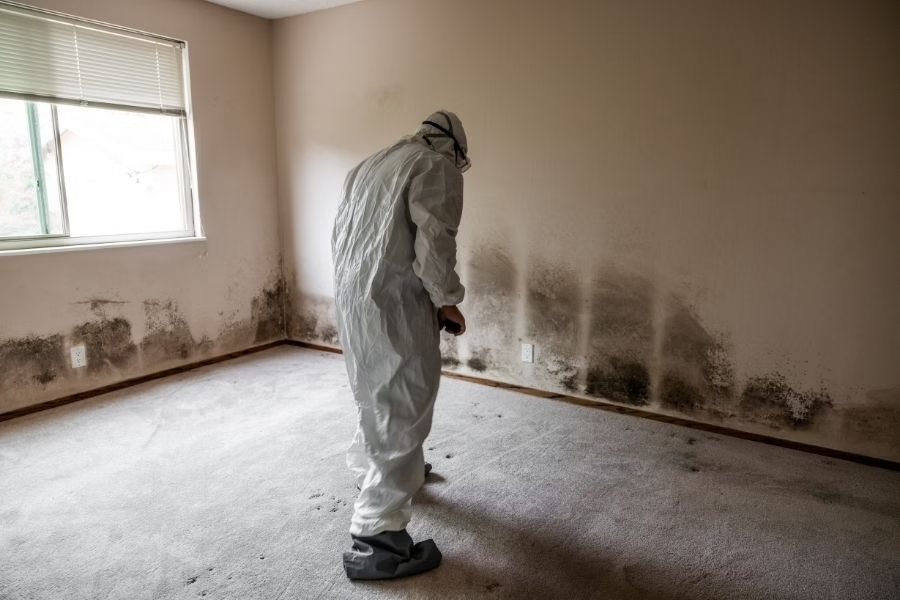
An inspection comes first. We find the moisture source before anyone touches a wall.
It Starts With Testing, Not Tear-Out
Mold remediation begins with inspection and testing, not demolition. A certified technician finds the moisture source, maps where the mold has spread, and uses third-party testing to confirm the type and severity. Skipping this step is how people end up paying to rip out drywall that was never the problem. A good plan starts with a clear picture, so we test first and act second.
Here in Texas, the cause is usually hidden. A slow AC drip, a roof leak after a hail storm, or damp air trapped in a crawl space. Mold is a symptom. Scrub the surface and skip the water behind it, and it comes right back in a few weeks.
The EPA notes that sampling works best for confirming a problem and guiding cleanup, which is just how we use it. We bring in an outside testing company so the results stay fair. No one wants the same crew that profits from removal also grading how bad it is.
Containment and Air Control
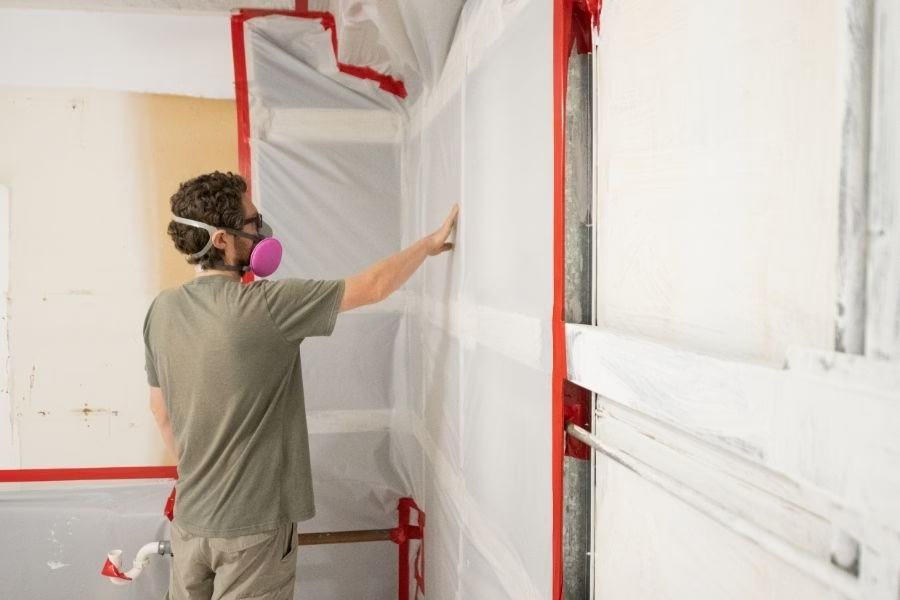
Containment seals off the work area so mold spores don’t drift into clean parts of your home. Before any material comes out, the crew hangs plastic barriers and runs machines that pull air through HEPA filters. This stops spores from riding the air and settling two rooms over. It’s the step most DIY tries skip, and it matters.
Think of it like surgery. You wall off the area before you open anything up. The machine pulls air inward and cleans it before sending it outside, so the dirty air never drifts into your kitchen.
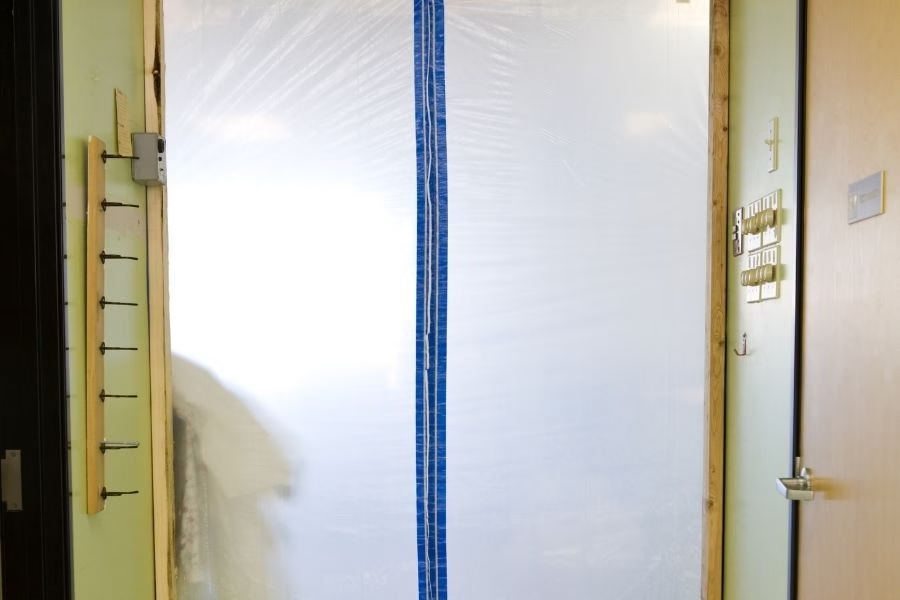
Containment barriers and HEPA air scrubbers keep spores trapped in the work zone.
Smell mold but can’t see it? Don’t wait it out.
Mold hidden behind walls or under flooring spreads while you decide. A quick inspection now is cheaper than a bigger problem later.
How Mold Actually Gets Removed
Mold removal means physically taking out ruined material, then cleaning and treating what stays. Soft items like soaked drywall and carpet padding usually can’t be saved, so they get bagged and hauled off. Hard surfaces such as studs and concrete get HEPA vacuumed, scrubbed, and treated. The goal is removal, not just hiding the look.
There’s a real standard behind this work. The IICRC S520 standard sets the industry baseline for proper mold remediation, and our crews are IICRC certified for it. That means a proven method, not someone guessing.
Here’s the order most jobs follow:
- Remove and bag soft materials that can’t be saved
- HEPA vacuum every surface in the sealed zone
- Wipe and scrub hard surfaces with a cleaner that kills mold
- Dry the area fully so moisture can’t restart the cycle
- Fix the original water source, whether a leak, a drip, or poor airflow
That last point is the one people forget. We handle water damage cleanup alongside mold work because the two almost always travel together. Kill the moisture, and you kill the reason mold showed up.
Clearance Testing and Getting Your Home Back
Clearance testing confirms the mold is actually gone before the job is called finished. An independent inspector re-tests the air and surfaces, comparing them to clean reference areas. If the numbers pass, you get documentation showing the space is back to normal. If they don’t, the crew goes back in.
This is the part that protects you. Written clearance is what you hand an insurance adjuster, a future buyer, or your own peace of mind. We’re a women-owned, family-run company based right here in Austin. We’d rather re-clean a corner than sign off on something that isn’t right.
After clearance, the rebuild comes next, with new drywall, fresh paint, and flooring back in place. Because we keep cleanup and rebuild under one roof, you’re not juggling separate crews to put the room back together.
That’s a real difference for Austin homeowners. One team, one point of contact, from the first inspection to the last coat of paint. Want a deeper look at prevention? Our knowledge base covers humidity control and the early warning signs Austinites run into most.
After clearance and rebuild, the room goes back to normal, this time without the moisture problem.
Frequently Asked Questions
How long does professional mold remediation take?
Most residential mold jobs run three to seven days, depending on how far it spread and how much material needs removal. Larger contamination or hidden moisture sources add time. Drying and clearance testing happen at the end, so the final day or two is mostly verification.
Can I stay in my home during mold remediation?
Often yes, especially when containment seals off the affected area. For larger jobs or anyone with allergies or breathing sensitivities, stepping out during active removal is the safer call. We’ll give you a straight answer based on your specific situation.
Why do you use a third-party company for testing?
Independent testing keeps the results honest. When the company doing removal isn’t the one grading the severity, you can trust the numbers. We coordinate the testing, but the lab and inspector stay separate from our crews.
Does insurance cover mold remediation in Texas?
It depends on the cause. Mold from a sudden covered event like a burst pipe is often covered, while mold from long-term neglect usually isn’t. We handle insurance claims directly and can help you figure out where your situation lands. Getting the documentation right early makes the whole claim smoother.