
Jump To:
Smoke damage doesn’t always announce itself. Long after the fire trucks pull away and the visible char gets cleared, smoke residue keeps working its way into walls, ducts, upholstery, and anywhere air moves. Our IICRC-certified team at Austin Fire & Flood has spent over 30 years of combined experience helping Austinites catch the fire damage restoration issues most people miss. This guide walks through the signs of smoke damage that slip past a quick visual check.
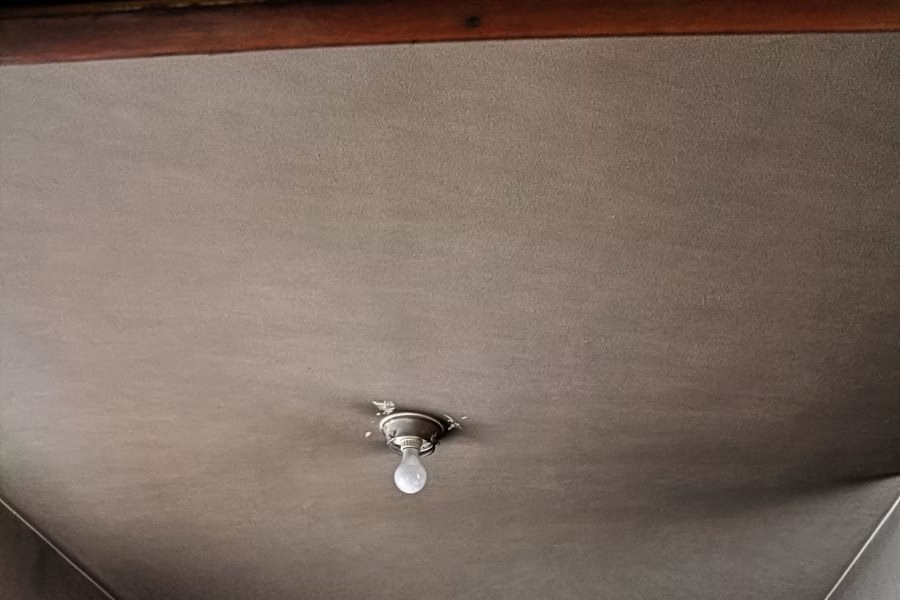
A faint ring of discoloration around a ceiling fixture is one of the easiest smoke stains to miss until you start looking for it.
Why Smoke Damage Is Easy to Overlook
Most homeowners underestimate smoke damage because they’re looking for flames and char. Smoke travels where heat doesn’t, depositing microscopic particles on surfaces that look completely clean. These particles, called soot, carry oils, acids, and odor compounds that keep off-gassing for weeks.
Folks usually catch the obvious stuff. Burned drywall, scorched cabinets, melted blinds. What they miss is the thin film on top of kitchen cabinets, behind the fridge, or along baseboards two rooms away from where the fire started. That film isn’t cosmetic: soot is acidic, so it etches glass, corrodes metal, and stains porous materials more deeply the longer it sits.
Hidden Soot: Where It Hides and How to Find It
Soot settles in the quiet places your eyes skip over. Attic spaces, HVAC returns, tops of door frames, inside light fixtures, behind appliances, and under furniture are all classic hiding spots. A clean countertop doesn’t mean a clean room, because smoke follows airflow patterns, not sightlines. Run through this checklist room by room:
Hidden Soot Detection Checklist
- Wipe a white microfiber cloth along the tops of door trim and baseboards. Any dark streak is soot.
- Pull the grille off an HVAC return and check the filter edges and duct interior.
- Check the top of tall furniture, ceiling fan blades, and the inside of kitchen cabinets.
- Look at window sills, especially corners where air eddies collect fine particles.
- Inspect behind the fridge, stove, and washer for vertical staining on walls.
- Pull a few electrical outlet covers (breaker off first) and check for discoloration.
If residue shows up in more than a couple of these spots, the damage is wider than it appears. That’s a strong signal to stop DIY cleaning and get a professional assessment.
Not sure how deep the smoke damage goes?
We do free inspections across Austin and surrounding areas.
The Stubborn Return of Smoke Odor
Smoke odor absorbs into porous materials and keeps releasing long after the air seems clear. Drywall, insulation, upholstery, curtains, carpet padding, and wood framing all hold onto smoke compounds. You may not smell anything on a cool dry morning, but turn on the heat, take a hot shower, or close the house up for a day, and the odor comes right back.
After the alarms stop and the fire is out, the real assessment begins, and that’s when hidden smoke damage starts to show up.
This is absorption, not surface contamination. Scented sprays and store-bought deodorizers cover the problem rather than remove it. The real fix involves source removal: cleaning or replacing contaminated materials, followed by thermal fogging, hydroxyl generators, or ozone treatment performed by trained technicians who follow industry standards like the IICRC S700 Fire and Smoke Damage Restoration standard.
Signs the smoke is still living inside your home:
- The odor returns when humidity climbs, which is most days during Austin’s subtropical summers.
- HVAC operation makes the smell worse, not better.
- The scent is strongest in soft furnishings: rugs, couches, curtains, bedding.
- Air freshener coverage fades within an hour.
For a deeper breakdown of deodorization, our soot and odor removal guide walks through the step-by-step process professionals use.
HVAC Contamination and Indoor Air
Your HVAC system is one of the fastest ways smoke travels through a home during a fire. Once contaminated, ductwork becomes a delivery system that pushes soot into every vent each time the blower kicks on. According to EPA guidance on smoke and indoor air quality, fine smoke particles settle deep in ducts, filters, and coils, creating long-term air quality problems if untreated.
What that looks like day to day:
- A faint smoky smell every time the system cycles on.
- Black or gray dust on registers, grilles, and return vents.
- Buildup on the leading edge of ceiling fan blades.
- HVAC filters loaded with dark, fine particles within days of the fire.
Running a contaminated system makes cleanup harder because it redistributes soot into rooms that were otherwise spared. If you suspect HVAC contamination, shut the unit off and leave it off until a professional inspects the ductwork.
How Smoke Damage Progresses Over Time
| Time After Fire | What Happens |
|---|---|
| First 24 hours | Acidic soot begins etching glass, metal, and appliance finishes. |
| 2 to 7 days | Yellow staining sets on painted walls and ceilings. |
| 1 to 2 weeks | Odors absorb deeply into fabrics, drywall, and framing. |
| 2+ weeks | Corrosion damages electronics, wiring, and fixtures. |
Worth noting: we don’t offer standalone air duct cleaning, but we address HVAC contamination as part of our professional smoke and soot odor removal process during a full fire restoration job.
When to Call in Professionals
If you can smell smoke or spot residue anywhere beyond the fire’s immediate footprint, it’s time for a professional assessment. Light DIY cleanup on non-porous surfaces like glass and sealed tile is fine, but porous materials and hidden spaces need specialized tools: HEPA vacuums, thermal foggers, air scrubbers, and chemical sponges. Our team handles containment, source removal, and structural rebuild and reconstruction services under one roof, so no subcontractors are juggling your home.
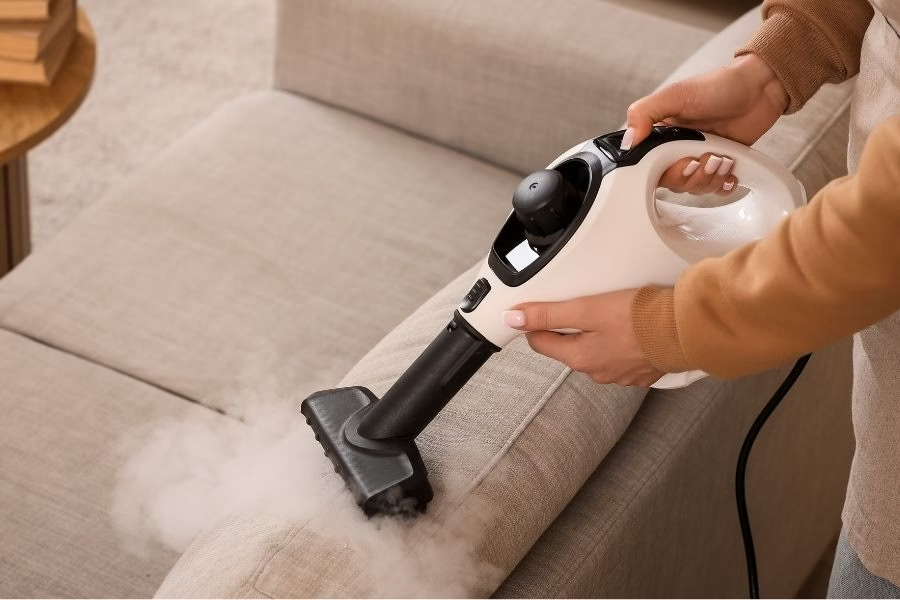
Fabric absorbs smoke like a sponge, and without deep cleaning, that burnt smell comes back every time the humidity rises.
Once the smoke side is stabilized, we also handle the water damage cleanup that often gets forgotten after a fire. Firefighting water soaks into drywall, subflooring, and insulation, giving mold the moisture it needs to take hold within a few days.
Families in Cedar Park, Round Rock, Pflugerville, and the greater Austin metro count on our IICRC-certified team when fire turns a day upside down. We handle insurance claims directly and keep mitigation, deodorization, and rebuild all in-house.
Frequently Asked Questions
How long do I have to address smoke damage before it becomes permanent?
Acid etching on metals and glass starts within 24 hours, and fabric odors set in within days. The sooner cleanup starts, the more of your home and belongings can be saved.
Can I just paint over soot-stained walls to cover the smell?
Painting over contaminated drywall traps the odor temporarily but doesn’t remove it. Smoke compounds bleed back through most paints, even primers, unless the surface is properly cleaned and sealed with a stain-blocking product first.
Does homeowners insurance cover hidden smoke damage?
Most policies cover smoke damage from a sudden fire event, including contamination you can’t see. Document everything with photos, note the lingering odors, and get a professional assessment before filing so the full scope is part of your claim.
Will running my AC or heater help clear the smoke smell faster?
No. Running the HVAC after a fire spreads soot further through the ducts and untouched rooms. Leave the system off until a certified technician inspects the ductwork.