
Firefighters kept the flames in the garage, but the smoke had other plans. In an attached garage, smoke and soot slip past the door into the house, up into the attic, and through the shared wall, so the damage often turns up in bedrooms that never saw a flame. Austin Fire & Flood’s IICRC-certified crew restores the garage and every room the smoke reached, then rebuilds what the fire took.










Each kind of fuel leaves its own mess:
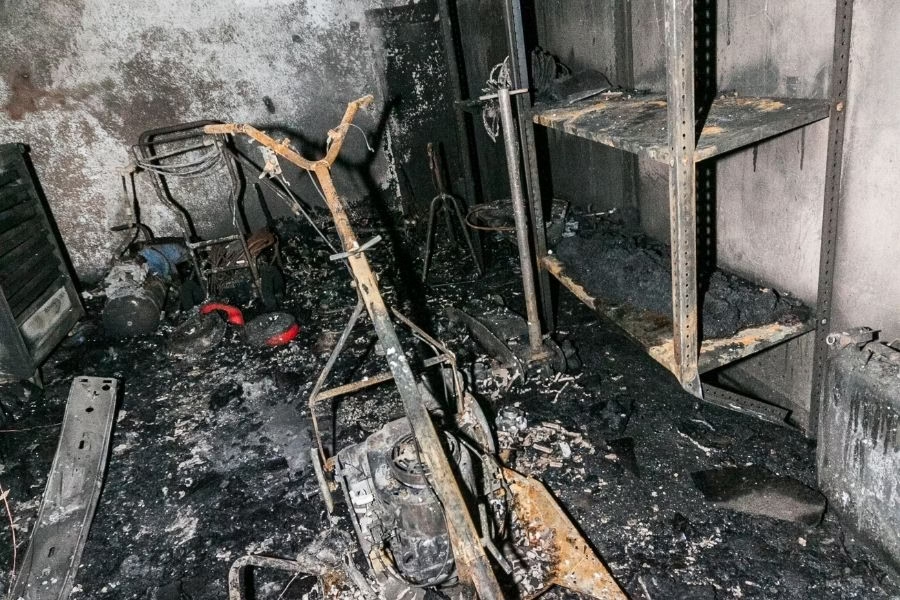
Tires, plastic trim, and engine fluids burn hot and coat everything in thick, oily soot. Once the car is towed, the real cleanup after a car fire in the garage starts.
Gas cans, paint, pool chemicals, and fertilizer create harsh residue and stubborn odors that need careful handling.
Overloaded extension cords, battery chargers, and old garage freezers are common starting points.
Plenty of Austin homes keep the washer and dryer in the garage, and lint buildup in a dryer vent can ignite.
Most attached garages have a drywall fire barrier between the garage and the house. That wall buys time against flames. It doesn’t stop smoke damage from an attached garage fire. Pressure from a fire pushes smoke through gaps around the entry door, outlets, recessed lights, and attic openings, and it settles wherever air moves.
If your air handler sits in the garage, as it does in plenty of Austin homes, it may have pulled smoke straight into the ductwork. We check for that early and flag it.
Burned tires, plastics, and chemicals leave fine particles in closets, carpets, and soft furniture, which can drag down your home’s indoor air quality long after the smoke clears. Wiping the garage clean while missing the hallway, the attic, and the bedroom above it leaves you living with the problem. A proper garage fire cleanup tracks the smoke as far as it went, which is why we look at all the damage a fire leaves behind, not just what’s charred.
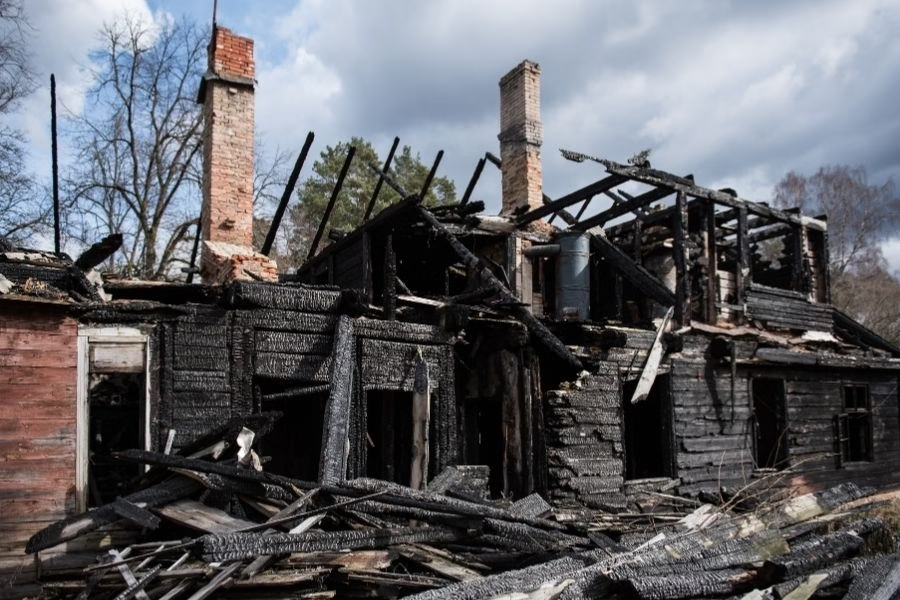
We board up the damaged garage door, windows, or roof openings, then map how far smoke traveled into the house. Everything gets photographed and documented for your insurance claim.
Charred debris and ruined contents come out. Garage fire soot cleanup comes next on the framing, ceiling, and concrete slab, so we can see what's sound and what needs replacing.
Rooms beyond the garage get our smoke and soot damage cleanup, including odor treatment and cleaning of the belongings inside them. If you're wondering whether this step is really needed, here's why soot and odor removal matters after any fire.
Our in-house crew takes on garage fire damage repair, from framing, drywall, ceilings, and paint to any interior rooms that need it. It's all part of our complete fire damage restoration in Austin, so one team owns the job from board-up to final walkthrough.
We handle garage fire cleanup across Austin, Leander, Cedar Park, Round Rock, Manor, Hyde Park, and Lockhart.
Not sure whether that smell in the hallway counts as smoke damage? Wondering which policy covers the car? Ask us. As a full-service garage fire restoration company, we’ll talk through what you’re seeing, explain your options in plain English, and help you figure out the right next step, with no pressure to decide on the spot.
Ready to respond when you need us. Call Austin Fire & Flood at 512-967-6780 to speak with a restoration specialist and get garage fire cleanup started immediately.
This site uses cookies and tracking technologies including Google Tag Manager, Google Maps, and YouTube. You can accept, reject non-essential tracking, or manage your preferences.