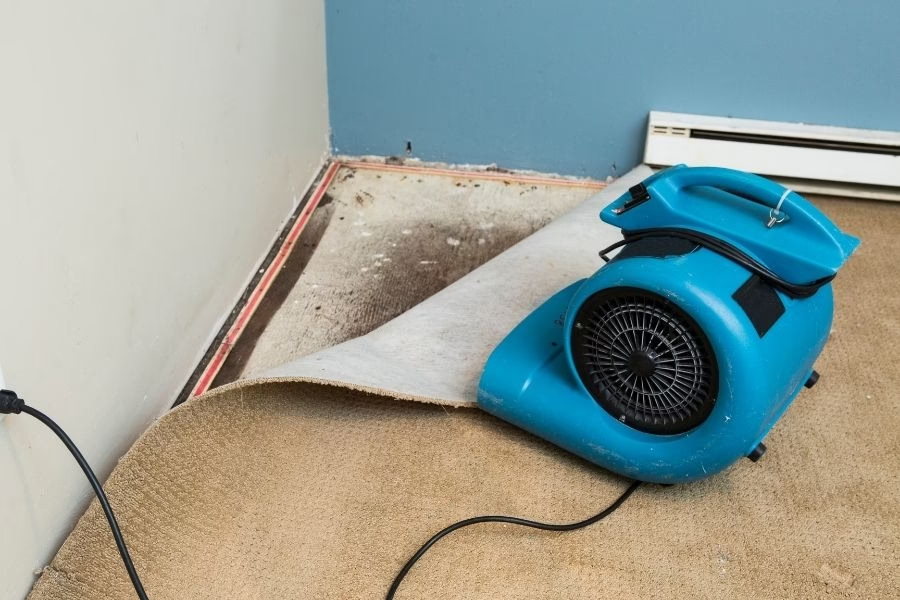
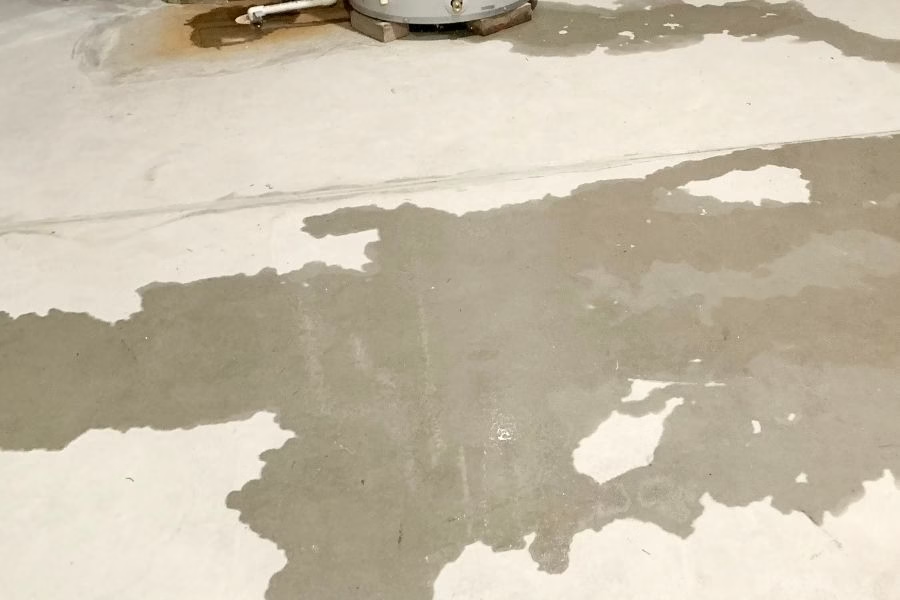
Ignoring water in a below-grade space does not just mean living with a damp smell. Basement water damage restoration addresses the structural, electrical, and health risks that escalate when moisture sits beneath your living areas, where airflow is limited and drying happens slowly on its own. For Austin-area properties with partial basements, below-grade storage, or finished lower levels, the stakes are higher than most homeowners realize.
While full basements are uncommon in Central Texas, the properties that do have below-grade spaces face unique challenges. Basement flooding cleanup becomes necessary after heavy rain events push groundwater through foundation walls or floor joints. Poor drainage, clogged gutters, and grading issues direct surface water toward the foundation rather than away from it. Basement water removal and extraction need to happen quickly because standing water in an enclosed, below-grade environment creates ideal conditions for mold, wood rot, and concrete deterioration. Sump pump failure cleanup is critical in properties that rely on mechanical drainage, particularly during prolonged storms when the system runs continuously. Basement seepage cleanup addresses the slower, chronic moisture intrusion that often goes unnoticed until staining or musty odors appear on stored belongings.
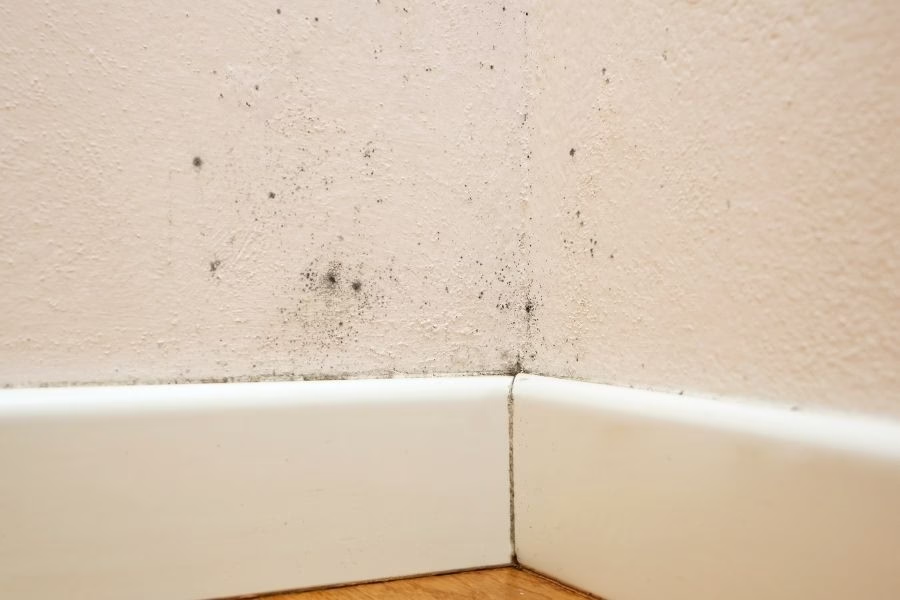
Basement mold prevention after flooding is not optional in Austin’s climate. Below-grade spaces have limited natural ventilation, and Austin’s humidity makes drying even harder without mechanical intervention. Mold can colonize drywall, framing, and stored contents within 48 hours of water exposure. Once established, mold in a basement circulates spores into the living spaces above through HVAC systems and natural air movement. The longer moisture persists, the more extensive the remediation effort becomes and the higher the overall cost climbs.