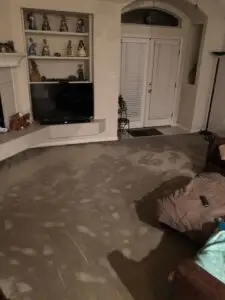

Your washing machine, dishwasher, water heater, and refrigerator work hard every day. But these same appliances are also leading causes of household water damage that require professional water damage restoration. A single failed hose can release hundreds of gallons into your home, damaging flooring, walls, and belongings before you realize something is wrong.
The good news? Most appliance-related water damage is preventable. With regular inspections and simple maintenance habits, you can protect your Austin home from costly repairs. Our team at Austin Fire & Flood has seen thousands of appliance failures, and we can tell you exactly where to look and what to watch for.
Why Household Appliances Are a Leading Cause of Water Damage
Appliances that connect to your water supply operate under constant pressure. Day after day, this pressure slowly weakens hoses, fittings, and seals. The Insurance Institute for Business & Home Safety reports that water damage from appliance failures is one of the most common and expensive home insurance claims.
Here in Austin, our hot summers add extra stress. Heat accelerates the breakdown of rubber hoses and plastic components. A hose that might last eight years in a cooler climate could fail in five here.
Most appliance leaks start slowly. By the time you notice water pooling on your laundry room floor, moisture may have already spread into wall cavities and subfloors. That hidden moisture creates perfect conditions for mold growth, which is why even a single water leak can cause mold problems if not addressed quickly.
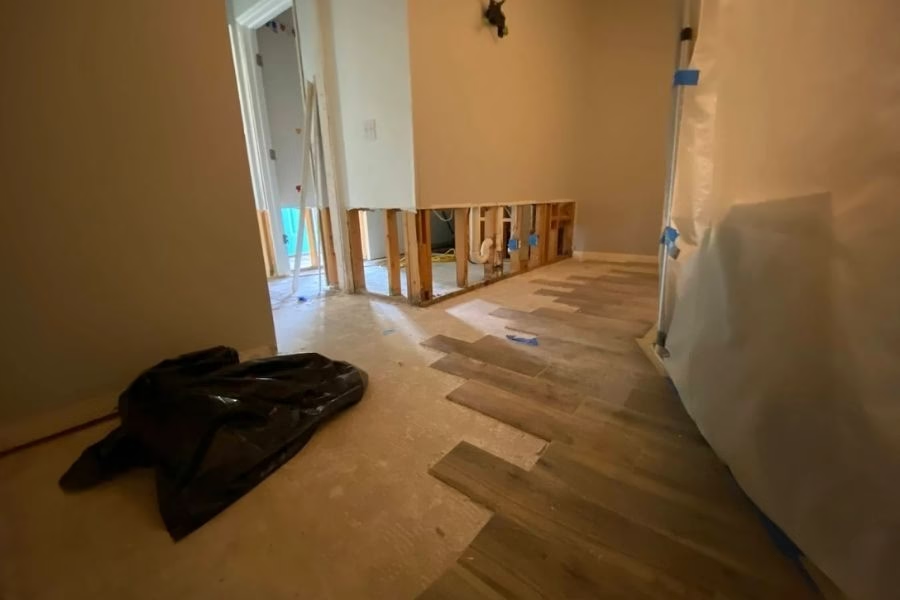
When appliance leaks go undetected, the damage often extends into wall cavities and flooring, requiring demolition to properly restore affected areas.
Washing Machine: The Most Common Culprit
Washing machines top the list of appliance-related water disasters. They use large volumes of water under high pressure, and their supply hoses are often tucked behind the machine where problems go unnoticed.
What Fails and Why
Standard rubber supply hoses are the weak link. They develop tiny cracks from constant pressure and temperature changes. Eventually, those cracks become splits, and splits become bursts. A burst washing machine hose can release 500 gallons per hour into your home.
Drain hoses also cause trouble. If they become clogged or disconnected, water backs up and overflows. Vibration during spin cycles can gradually loosen connections.
How to Prevent Problems
Replace rubber supply hoses with braided stainless steel versions. They cost about $20 at any hardware store and dramatically reduce failure risk. Replace them every five years regardless of appearance. When installing new hoses, avoid over-tightening the connections as this can damage the rubber washers inside the fittings.
Turn off water supply valves when you leave for vacation or extended trips. A hose that fails while you are away can flood your home for days before anyone notices. Consider installing an automatic shutoff valve that detects leaks and stops the water supply immediately. These smart devices cost between $150 and $300 but can prevent catastrophic damage.
Pull your washing machine out every few months and inspect behind it. Look for moisture stains on the wall, mineral deposits around connections, or any dripping. Check the floor beneath the machine for warping or discoloration that might indicate an ongoing slow leak. Catching problems early prevents major damage.
Spotted Signs of Water Damage?
If you have noticed moisture, staining, or warped flooring around any appliance, do not wait. Water damage spreads quickly through walls and subflooring. Our IICRC-certified team responds 24/7 to stop damage before it gets worse.
Dishwasher: Small Leaks, Big Problems
Dishwashers might seem low-risk, but their location makes them dangerous. Most sit against cabinets where leaks go undetected for weeks. By the time water becomes visible on your kitchen floor, it may have already damaged cabinetry and subflooring.
Common Failure Points
Door gaskets deteriorate over time, allowing small amounts of water to escape during cycles. The supply line under your sink can loosen or corrode. The drain hose can crack or work itself loose from the garbage disposal connection.
Prevention Steps
Run your hand along the door gasket monthly. Feel for cracks, hardness, or areas that have pulled away from the door frame. A compromised gasket is an easy DIY replacement.
Open the cabinet under your sink and inspect the dishwasher supply line. Look for mineral buildup, discoloration, or moisture around connections. Check the drain hose for kinks. These inspections take two minutes and can save thousands.
According to the EPA’s guidance on moisture and mold, keeping areas dry and promptly fixing leaks is the best way to prevent mold growth. This matters especially for dishwasher leaks that affect enclosed cabinet spaces with limited airflow.
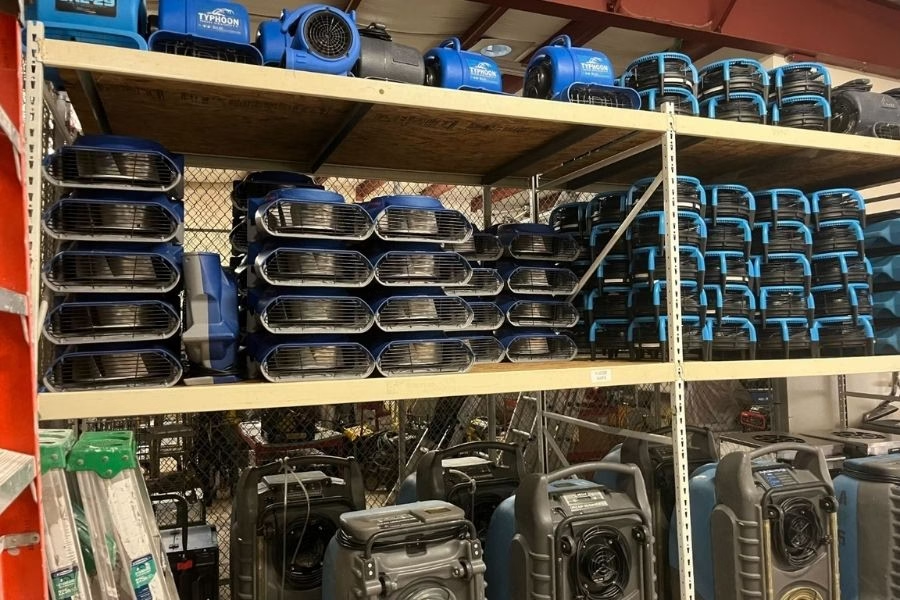
When appliance leaks occur, professional-grade dehumidifiers and air movers are essential for proper drying that reaches moisture hidden in walls and subfloors.
Water Heater: The Ticking Time Bomb
Water heaters have a finite lifespan. Most last 8 to 12 years, but many homeowners push them well beyond that. An aging water heater becomes a flood risk. When the tank finally fails, it releases 40 to 80 gallons at once.
Warning Signs of Failure
Rust-colored water indicates corrosion inside the tank. Once internal rust begins, tank failure is only a matter of time. Puddles or moisture around the base suggest small leaks that will grow larger. Popping or rumbling sounds indicate sediment buildup that accelerates deterioration.
Protective Measures
Know your water heater’s age. Check the serial number plate on the side of the unit, which typically includes a date code. If you cannot find a date, assume it warrants replacement planning. Most manufacturers recommend replacement at the 10-year mark, even if the unit still functions.
Install a drain pan beneath your water heater with a connection to a floor drain or exterior. If the tank leaks, the pan catches water and directs it safely away. This simple addition costs under $50 and prevents thousands in damage. For water heaters in finished spaces like closets, a drain pan is essential.
Flush the tank annually to remove sediment. Sediment accumulates at the bottom of the tank, reducing efficiency and accelerating corrosion. Most homeowners can do this themselves by attaching a garden hose to the drain valve and running water until it flows clear. Alternatively, have a plumber handle it during routine maintenance.
Consider upgrading to a tankless water heater when replacement time comes. While more expensive upfront, tankless units eliminate the flood risk entirely since they do not store water. They also last 20 years or more with proper maintenance.
Refrigerator: The Overlooked Risk
Refrigerators with ice makers and water dispensers connect to your water supply through a small plastic or copper line. These lines run behind or beneath the unit where they are easily forgotten.
What Goes Wrong
Plastic supply lines become brittle and crack. Copper lines develop pinhole leaks from corrosion. Connections at the refrigerator and wall valve can loosen as the unit vibrates. Ice maker inlet valves also fail, releasing water continuously until someone notices.
Keeping Your Refrigerator Safe
Replace plastic supply lines with braided stainless steel. The upgrade costs about $15 and takes 15 minutes. When purchasing a replacement line, buy one slightly longer than needed to allow for gentle curves rather than tight bends that stress the material.
Pull your refrigerator out every six months to check the supply line and connections. Look for kinks that could weaken over time and eventually crack. Check for moisture or mineral deposits indicating slow leaks. Inspect the area where the line connects to the wall valve and the back of the refrigerator.
If your refrigerator sits on hardwood or laminate flooring, place a water alarm beneath it. These inexpensive devices cost $15 to $30 and alert you to leaks before they spread. Some models connect to your home wifi and send alerts to your phone, which is especially useful if a leak occurs while you are at work or traveling.
Pay attention to your ice maker’s behavior. If ice production decreases or the ice tastes unusual, the inlet valve may be struggling. A failing valve does not always leak immediately, but it is more likely to fail suddenly once it starts showing problems.

After water extraction and drying are complete, affected areas are ready for reconstruction. Addressing appliance leaks promptly minimizes the scope of necessary repairs.
Monthly Appliance Maintenance Checklist
Prevention comes down to routine attention. Here is a checklist that takes about 15 minutes each month:
| Appliance | What to Check | Warning Signs |
|---|---|---|
| Washing Machine | Supply hoses, drain hose, floor behind unit | Bulging hoses, moisture stains, musty smell |
| Dishwasher | Door gasket, supply line under sink, drain hose | Cracked gasket, wet cabinets, pooling water |
| Water Heater | Base and floor around unit, pressure relief valve | Rust spots, puddles, popping noises |
| Refrigerator | Supply line, connections at wall and unit | Mineral deposits, kinked line, moisture |
What to Do If You Discover a Leak
Despite your best efforts, leaks can still happen. Fast action limits the damage. Shut off the water supply to the affected appliance immediately. If you cannot locate the individual shutoff valve, turn off water at the main valve.
Remove standing water using towels, mops, or a wet-dry vacuum. Move furniture away from the affected area. Open windows and run fans to promote air circulation.
For anything beyond a minor spill, contact a professional mold remediation company. Water that penetrates walls, flooring, or cabinets requires professional equipment to dry properly. Incomplete drying leads to mold growth, often within 24 to 48 hours in Austin’s humid climate.
For a complete guide, see our article on what to do immediately after water damage.
Questions About Water Damage Prevention?
Our team at Austin Fire & Flood has over 30 years of combined experience helping Austin homeowners recover from water damage. If you have questions or need help with an existing problem, we are here 24/7.
Frequently Asked Questions
How often should I replace washing machine hoses?
Replace washing machine hoses every 5 years, regardless of their appearance. Rubber hoses can develop internal cracks that are not visible from the outside. Upgrading to braided stainless steel hoses provides better protection and longer lifespan.
Can a small appliance leak cause mold growth?
Yes. In Austin’s humid climate, mold can begin growing within 24 to 48 hours of water exposure. Even small leaks that seep into walls, cabinets, or subflooring create conditions favorable for mold. Prompt detection and drying are critical.
What is the first thing I should do if I discover an appliance leak?
Immediately shut off the water supply to the appliance. Most appliances have individual shutoff valves nearby. If you cannot find it, turn off water at the main valve. Then remove standing water and contact a restoration professional if water has spread beyond a small, easily dried area.
Are water leak detectors worth installing near appliances?
Absolutely. Water leak detectors cost between $15 and $50 and provide early warning. Smart detectors send alerts to your phone, allowing you to respond quickly even when away from home. Place them behind washing machines, under dishwashers, near water heaters, and beneath refrigerators.