
Jump To:
Your crawl space probably isn’t the first place you think about when something feels “off” in your home. But that dark, cramped space underneath your floors can quietly cause serious problems if moisture moves in. Whether it’s excess humidity, standing water, or condensation on your floor joists, catching these issues early can save you thousands in water damage restoration costs down the road.
Here in Austin, our subtropical climate makes crawl spaces especially vulnerable. Warm, humid air loves to settle into low, enclosed areas. And once moisture takes hold? Mold, wood rot, and pest infestations are never far behind.
Why Crawl Space Moisture Matters in Austin
Crawl spaces are common across the Austin metro, from Central Austin to communities like Round Rock and Cedar Park. Our clay-heavy soil, seasonal downpours, and relentless humidity create constant moisture pressure underneath pier-and-beam homes.
When that moisture goes unchecked, it doesn’t stay underground. It migrates upward through the “stack effect,” where rising warm air pulls damp crawl space air into your living areas. According to the EPA’s guide on home moisture problems, crawl spaces are one of the most common sources of indoor moisture and mold in residential homes.
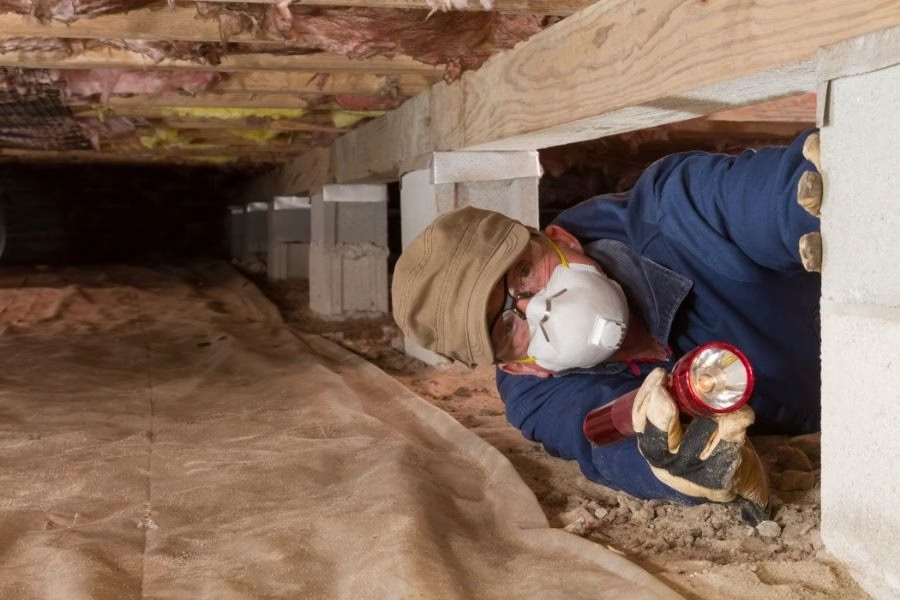
A technician checks for moisture beneath a home, one of the most overlooked parts of home maintenance in Central Texas.
High Humidity: The Silent Troublemaker
Humidity is sneaky. You can’t see it or hear it. But your home will show you the signs if you know where to look.
Foggy windows are one of the first giveaways, especially on the first floor. You might also notice hardwood floors that feel soft or slightly warped, which is moisture pushing up from below. A musty, earthy smell near floor vents or baseboards is another classic indicator, and it won’t go away no matter how much you clean.
When indoor humidity stays above 60% for an extended period, mold can begin developing in as little as 24 to 48 hours. Our team at Austin Fire & Flood has responded to countless mold remediation jobs where the homeowner had no idea the problem started in their crawl space.
Think Your Crawl Space Has a Moisture Problem?
Don’t wait for mold or structural damage to appear inside your home. Our IICRC-certified team can inspect your crawl space and catch issues early.
Standing Water Under Your Home
This one’s less subtle. If you peek into your crawl space and see puddles, pooling, or dark wet soil, you have an active water intrusion problem that needs attention fast.
Heavy rainfall is the most obvious cause. If your home’s grading directs water toward the foundation rather than away from it, rain flows right into the crawl space. Plumbing leaks are another frequent culprit, especially from aging supply lines beneath the house. Sometimes a slow drip goes on for months unnoticed.
Clogged gutters and downspouts that discharge too close to the house contribute as well. In older Austin neighborhoods, our clay soil makes things worse since it doesn’t drain efficiently and holds water right against the foundation.

A properly encapsulated crawl space keeps moisture from saturating the soil and structural components underneath your home.
Condensation and What It’s Telling You
Condensation forms when warm, humid air meets a cooler surface. In crawl spaces, you’ll see water droplets on metal ductwork, pipes, and the underside of your subfloor. Looks harmless. It isn’t. Persistent condensation creates the exact environment mold needs to thrive.
During Austin’s hot summers, your AC cools the floors and ductwork while crawl space air stays warm and muggy. That temperature gap causes constant moisture buildup. If insulation beneath your home is sagging, wet, or pulling away from the subfloor, condensation is likely the cause. And worth knowing: even a small amount of moisture can lead to mold if it isn’t dealt with quickly.
Crawl Space Moisture Warning Signs at a Glance
| Warning Sign | What It Suggests | Urgency |
|---|---|---|
| Musty smell near floors or vents | Possible mold growth below | Moderate |
| Foggy or sweating windows | Excess indoor humidity from crawl space | Moderate |
| Warped or soft hardwood floors | Moisture migrating upward | High |
| Visible standing water or wet soil | Active water intrusion | High |
| Sagging or fallen insulation | Prolonged condensation damage | High |
| Increased allergy symptoms indoors | Mold spores circulating from below | Moderate to High |
| Rising energy bills | Wet insulation losing effectiveness | Moderate |
| Pest activity (termites, rodents) | Damp wood attracting insects and pests | High |
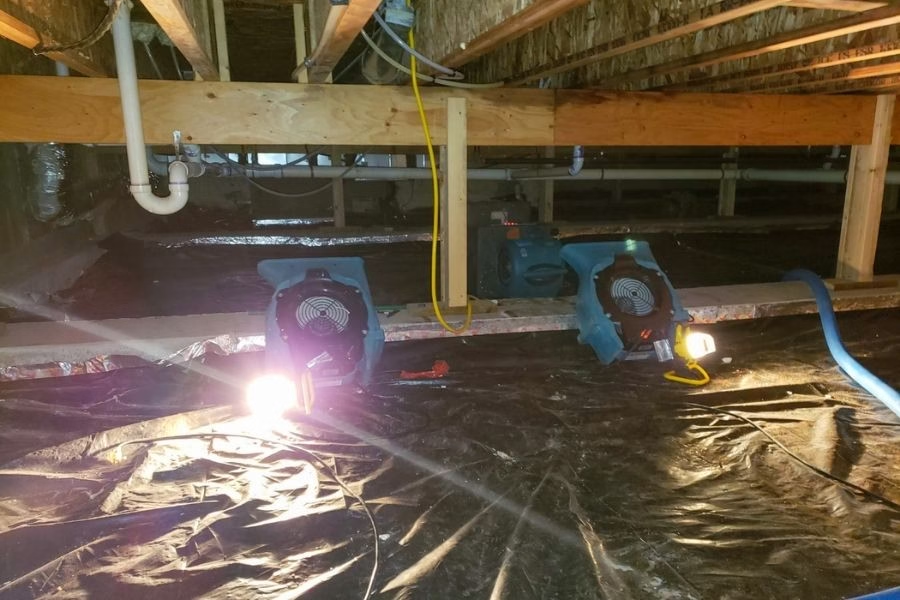
Air movers positioned inside a crawl space during the drying process. Fast, professional drying prevents mold after moisture intrusion.
When to Call a Professional
Redirecting a downspout or cleaning gutters? That’s a weekend DIY job. But if you’re seeing standing water, visible mold, sagging structural components, or musty odors that won’t quit, it’s time to bring in help.
At Austin Fire & Flood, our IICRC-certified technicians have over 30 years of combined experience with moisture intrusion across the greater Austin area. We use moisture meters, thermal imaging, and hygrometers to assess exactly what’s happening beneath your home. The EPA notes that prolonged mold exposure can cause respiratory issues and worsen asthma, making crawl space remediation a health concern as well as a structural one.
If you’ve spotted any of these warning signs, don’t sit on it. Crawl space moisture doesn’t improve on its own. Reach out to our team and we’ll take a look. You might also find our guide on combating mold after storm damage and this piece on how common appliances cause water damage helpful.
Frequently Asked Questions
How can I tell if my crawl space has moisture without going under the house?
Look for indoor clues like musty smells near floor vents, foggy first-floor windows, soft spots in hardwood floors, and unexplained spikes in energy bills. These signs often point to moisture migrating up from the crawl space.
How often should Austin homeowners inspect their crawl space?
At least twice a year, ideally before and after summer when humidity peaks. An extra check after heavy storms is also smart, especially if your home sits in a low-lying area.
What’s the difference between a vapor barrier and crawl space encapsulation?
A vapor barrier is a plastic sheet laid over soil to reduce ground moisture evaporation. Encapsulation is more comprehensive, sealing the entire crawl space with a heavy-duty barrier, sealed vents, and often a dehumidifier. Encapsulation offers far better long-term moisture control in humid climates like Austin’s.
Can crawl space moisture affect my family’s health?
Yes. Mold growing in a damp crawl space releases spores that travel into your living areas through the stack effect. The EPA reports that mold exposure can trigger allergic reactions, respiratory issues, and worsen asthma, particularly in children and the elderly.