
Finding mold in your North Austin home is stressful enough without figuring out insurance coverage. Here’s the frustrating truth: most Texas homeowners policies have strict limitations on mold claims, and many residents discover this only after they need help. Understanding your coverage before disaster strikes can save you thousands. If you’re already dealing with a mold problem, working with an experienced mold remediation company that understands insurance processes makes a huge difference.
Does Texas Homeowners Insurance Cover Mold Remediation?
The short answer is “sometimes, but with limits.” Texas became the first state to adopt mold coverage caps in 2002, following high-profile mold lawsuits. Today, most Texas homeowners policies limit mold coverage to $5,000 to $10,000. That might sound reasonable until you realize typical whole-house remediation costs $10,000 to $30,000.
The key factor insurance companies look at isn’t the mold itself. They want to know what caused it. According to the CDC, mold needs moisture to grow, so your claim’s success depends entirely on the source of that moisture.
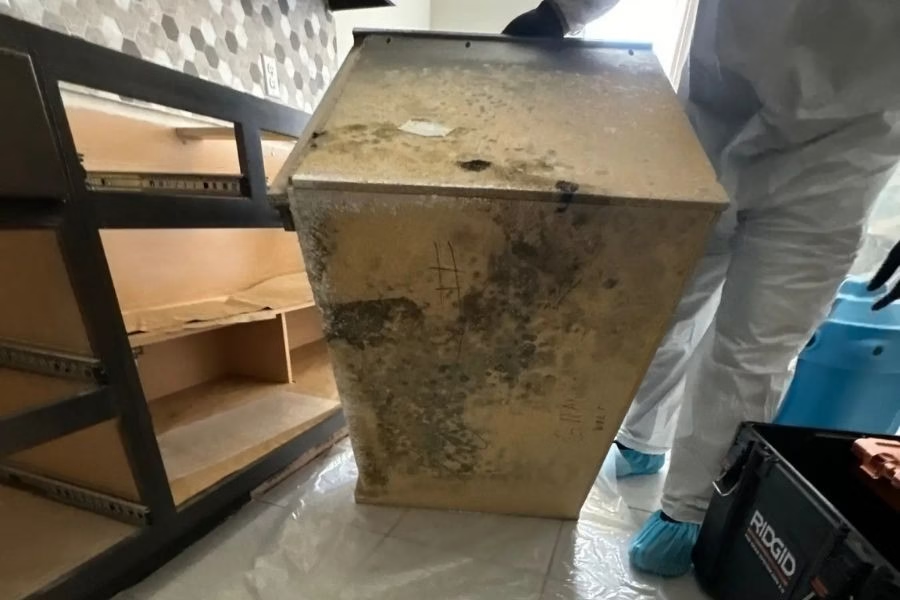
Removing mold-damaged materials is often the first step in remediation, but coverage depends on what caused the moisture in the first place.
When Mold Remediation IS Covered by Insurance
Insurance typically covers mold when it results from a “covered peril,” meaning a sudden, accidental event your policy protects against. Think burst pipes, storm damage, or appliance failures.
Scenarios Where Coverage Usually Applies
- Burst pipe flooding: A supply line suddenly breaks and soaks your walls, leading to mold growth within days
- Storm damage: A North Austin hailstorm damages your roof, water enters your attic, and mold develops
- Appliance malfunctions: Your water heater fails catastrophically and floods your utility room
- Firefighting water: After a house fire, the water used to extinguish flames causes secondary mold damage
The pattern here is clear: sudden, unexpected events you couldn’t prevent through normal maintenance. When water damage restoration is needed quickly, the mold that follows often falls under the same covered claim.
Dealing With Mold After Water Damage?
Austin Fire & Flood works directly with insurance companies and can help document your claim properly from day one.
When Mold Insurance Claims Get Denied
This is where many North Austin homeowners run into trouble. Insurance companies deny mold claims when they determine mold resulted from neglect or gradual problems you should have addressed.
Common Denial Reasons in Texas
| Typically Covered | Typically NOT Covered |
|---|---|
| Burst pipe causing sudden flooding | Slow leak under sink for months |
| Storm damage to roof with water intrusion | Poor ventilation in bathroom |
| Appliance failure (water heater, washing machine) | High humidity from AC issues |
| Fire suppression water damage | Foundation seepage over time |

Professional containment prevents mold spores from spreading during remediation, a critical step that proper documentation supports.
North Austin’s humid summers create conditions where mold thrives. If your insurance adjuster determines mold grew due to condensation from a poorly maintained AC system or inadequate bathroom ventilation, expect a denial letter.
How to Maximize Your Mold Insurance Claim
Documentation is everything. The EPA recommends acting quickly when you discover water damage, and your insurance company will scrutinize your response time.
Steps to Protect Your Claim
- Report water damage immediately: Call your insurance company within 24 hours of discovering any water intrusion
- Document everything: Take photos and videos before cleaning up anything
- Keep records: Save receipts for emergency mitigation, hotel stays, and any related expenses
- Get professional testing: Third-party mold testing provides objective evidence for your claim
- Request a written denial: If denied, get the specific reason in writing so you can appeal
Working with a restoration company that handles insurance claims regularly is invaluable. At Austin Fire & Flood, we document damage thoroughly from the first inspection, providing evidence adjusters need to approve claims.

Professional mold remediation requires specialized equipment and safety protocols that meet industry standards.
📋 Texas Mold Coverage at a Glance
- Typical cap: $5,000 to $10,000 on standard policies
- Additional coverage: Mold endorsements available for extra premium
- Key requirement: Mold must result from a covered peril
- Time limit: Report water damage within 24 to 48 hours
What If Your Claim Is Denied?
Don’t give up too quickly. Request the denial in writing and review your policy carefully. Sometimes claims are denied because of how damage was reported, not because it wasn’t covered. An appeal with better documentation from a certified professional can reverse initial denials.
If you’re dealing with significant mold damage in North Austin, contact our team for an assessment. We can help you understand what documentation your insurer needs.
For more information on protecting your home from water damage that can lead to mold, check out our guide on preventing water damage in Austin homes. You may also want to learn about fire damage restoration, since firefighting water often leads to secondary mold issues.
Frequently Asked Questions
How much does mold remediation typically cost in North Austin?
Mold remediation in North Austin ranges from $1,500 for small areas to $30,000 or more for whole-house projects. Costs depend on affected area size and materials involved. Most Texas policies cap coverage at $5,000 to $10,000.
Can I purchase additional mold coverage for my Texas home?
Yes, most Texas insurers offer mold endorsements that increase coverage beyond standard caps. These typically cost $500 to $1,500 per year depending on coverage amount. Contact your insurance agent to discuss options before you need to file a claim.
How long do I have to report water damage to my insurance company?
Report water damage within 24 to 48 hours of discovery. Delays can result in claim denials, as insurers may argue prompt action could have prevented mold growth. Document everything with photos and videos before cleanup.
Will my insurance rates increase if I file a mold claim?
Filing a mold claim can affect your rates and claims history, though impact varies by insurer. Some companies may increase premiums or decline to renew after water or mold claims. Weigh remediation costs against coverage limits when deciding whether to file.