
Jump To:
Finding water damage in your home is stressful enough without worrying about whether your insurance company will cover the repairs. Here’s the thing: how you document that damage in the first few hours can have a massive impact on the outcome of your claim. Our team at Austin Fire & Flood has helped hundreds of Austin homeowners navigate water damage restoration and the insurance process, and we’ve seen firsthand how good documentation makes all the difference.
Why Documentation Can Make or Break Your Claim
Insurance adjusters need clear evidence to approve your claim. Without it, you’re asking them to take your word for it.
Good documentation proves three things: what was damaged, when the damage happened, and how severe it is. According to FEMA’s flood recovery resources, one of the most common reasons claims get delayed or underpaid is incomplete evidence from the homeowner. That’s entirely preventable.
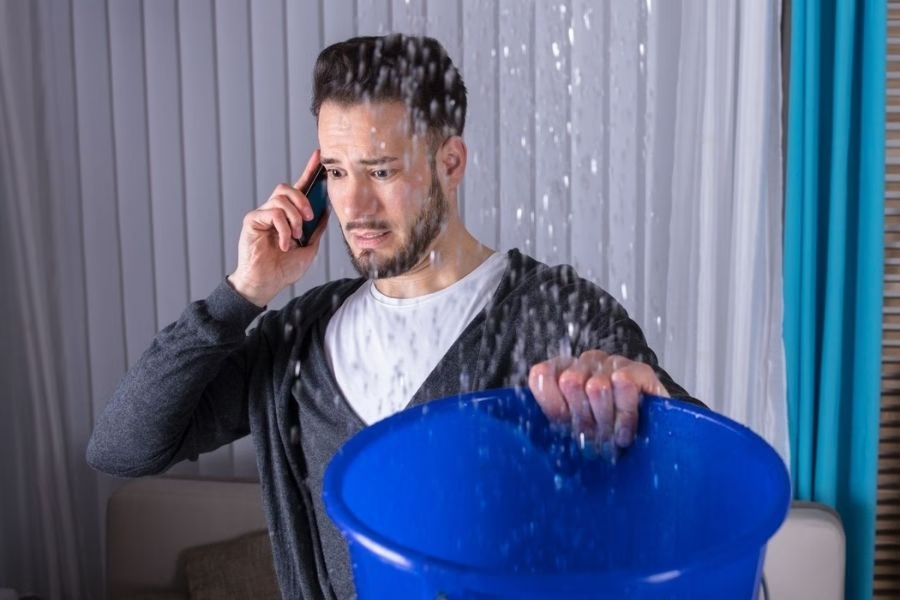
Capturing the full scope of water damage early helps build a stronger insurance claim.
Safety and Preparation Before You Start
Before you grab your phone and start snapping photos, safety comes first. If standing water is near electrical outlets or appliances, do not enter until the power is confirmed off. The CDC recommends wearing rubber boots and gloves when walking through flood-affected areas, especially if the water source is unknown.
Gather your essentials: smartphone (fully charged), notepad, and insurance policy number. A flashlight helps for darker spaces like closets, crawl spaces, and cabinets where water loves to hide.
Dealing with water damage right now?
We help Austin homeowners navigate the insurance process from start to finish.
How to Photograph and Video Water Damage
Your photos are the backbone of your claim. Think of yourself as a detective building a case. The more visual evidence, the harder it is for an adjuster to dispute the damage.
Wide Shots First
Start with wide-angle photos of each affected room. Stand in the doorway and capture the full space, including floor, walls, and ceiling.
Then Close-Ups
Zoom in on specific damage: waterlines on walls, warped baseboards, swollen drywall, stained ceilings, buckled flooring. If you spot signs of mold developing, photograph that too. Mold growth indicates prolonged moisture exposure and strengthens your claim documentation.
Check Hidden Areas
Open cabinets, look under sinks, pull back carpet edges. Water migrates in surprising ways, especially in Austin homes on slab foundations where moisture travels beneath flooring.
Record a Video Walkthrough
A slow, narrated video ties everything together. Walk through each room, describe what you see out loud, and point out specific damage.

Thorough visual evidence makes the adjuster’s job easier, which typically means a faster claims process.
Creating a Written Damage Inventory
Photos tell part of the story. A written inventory fills in the rest. For every damaged item or area, note what it is, where it’s located, approximate age, and estimated replacement value.
📋 Documentation Checklist
| Task | Details |
|---|---|
| Wide room photos | Every affected room from doorway |
| Close-up shots | Waterlines, stains, warping, mold |
| Hidden areas | Under sinks, cabinets, behind appliances |
| Video walkthrough | Narrated, room by room |
| Written inventory | Item, location, age, value |
| Receipts/records | Purchase receipts, warranties, invoices |
| Communication log | Dates, times, names of contacts |
If you have receipts or warranty cards, dig those out. Even old credit card statements showing a purchase can serve as proof of value. Wondering what water restoration typically costs? Thorough records help ensure your settlement covers the full scope of work.
Reporting Damage to Your Insurance Company
Call your insurance company as soon as possible. Most policies require reporting within 24 to 72 hours. Have your policy number ready, and be prepared to describe the water source, when you discovered it, and the areas affected.
One crucial detail: do not throw away damaged items before the adjuster inspects them. You can move things to prevent further damage, but keep everything on the property. If something poses a health risk, photograph it thoroughly before disposal.
Working with an experienced restoration and rebuild team helps here too. Professionals generate detailed reports, moisture readings, and itemized damage assessments that carry weight with insurance adjusters.

Organized documentation gives your adjuster exactly what they need to process your claim.
Mistakes That Can Hurt Your Water Damage Insurance Claim
- Waiting too long to report. Delayed reporting raises red flags and gives water time to cause secondary damage. If you’ve seen how household appliances cause hidden water damage, you know how fast things escalate.
- Only photographing obvious damage. Water travels behind walls, under floors, and into places you can’t see without professional moisture detection.
- Throwing away items before inspection. The adjuster needs to see everything in person first.
- Making permanent repairs too early. Emergency mitigation is expected, but don’t replace flooring or drywall until the adjuster has assessed the damage.
- Skipping the communication log. Write down every call, email, and visit. If there’s a dispute, this log is invaluable.
Need help with documentation and insurance?
Austin Fire & Flood works directly with your insurance company. We serve homeowners across Round Rock, Cedar Park, Pflugerville, and the greater Austin area.
Frequently Asked Questions
How soon after discovering water damage should I start documenting?
Immediately. Start taking photos and videos the moment you discover the damage, before any cleanup begins. Most policies require reporting within 24 to 72 hours.
Should I hire a restoration company before or after contacting my insurance?
Do both quickly. Report the damage to your insurer, and call a restoration company for emergency mitigation. Companies like Austin Fire & Flood work directly with insurance providers and generate documentation that supports your claim.
What if my insurance adjuster undervalues the damage?
Your photos, videos, written inventory, and professional moisture readings serve as evidence to dispute an undervalued assessment. You can request a re-inspection or hire a public adjuster for an independent evaluation.
Can I use my smartphone to document water damage for insurance?
Yes. Modern smartphones take high-quality photos and video that work well for insurance claims. Use good lighting, enable timestamps if possible, and take both wide shots and close-ups.