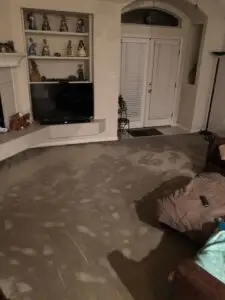

When our team at Austin Fire & Flood got the call about a water loss in Smithville, Texas, we knew time was critical. But this job came with something extra: a beautiful, original hardwood floor that had been in the home for over a century. The homeowner’s biggest concern? Saving those irreplaceable floors. That’s exactly what our water damage restoration team set out to do.
The Challenge: Water Meets Century-Old Craftsmanship
Here’s the thing about historic hardwood floors. They’re gorgeous, they’re full of character, and they simply cannot be replaced. Modern flooring just doesn’t have the same density, grain patterns, or warmth that comes from wood harvested over a hundred years ago. When water threatens floors like these, the stakes are high.
The water had spread across multiple rooms, seeping into the wood and threatening to cause warping, cupping, and permanent damage. According to the Institute of Inspection, Cleaning and Restoration Certification (IICRC), hardwood floors must be dried within a specific moisture range to prevent irreversible damage. Every hour mattered.
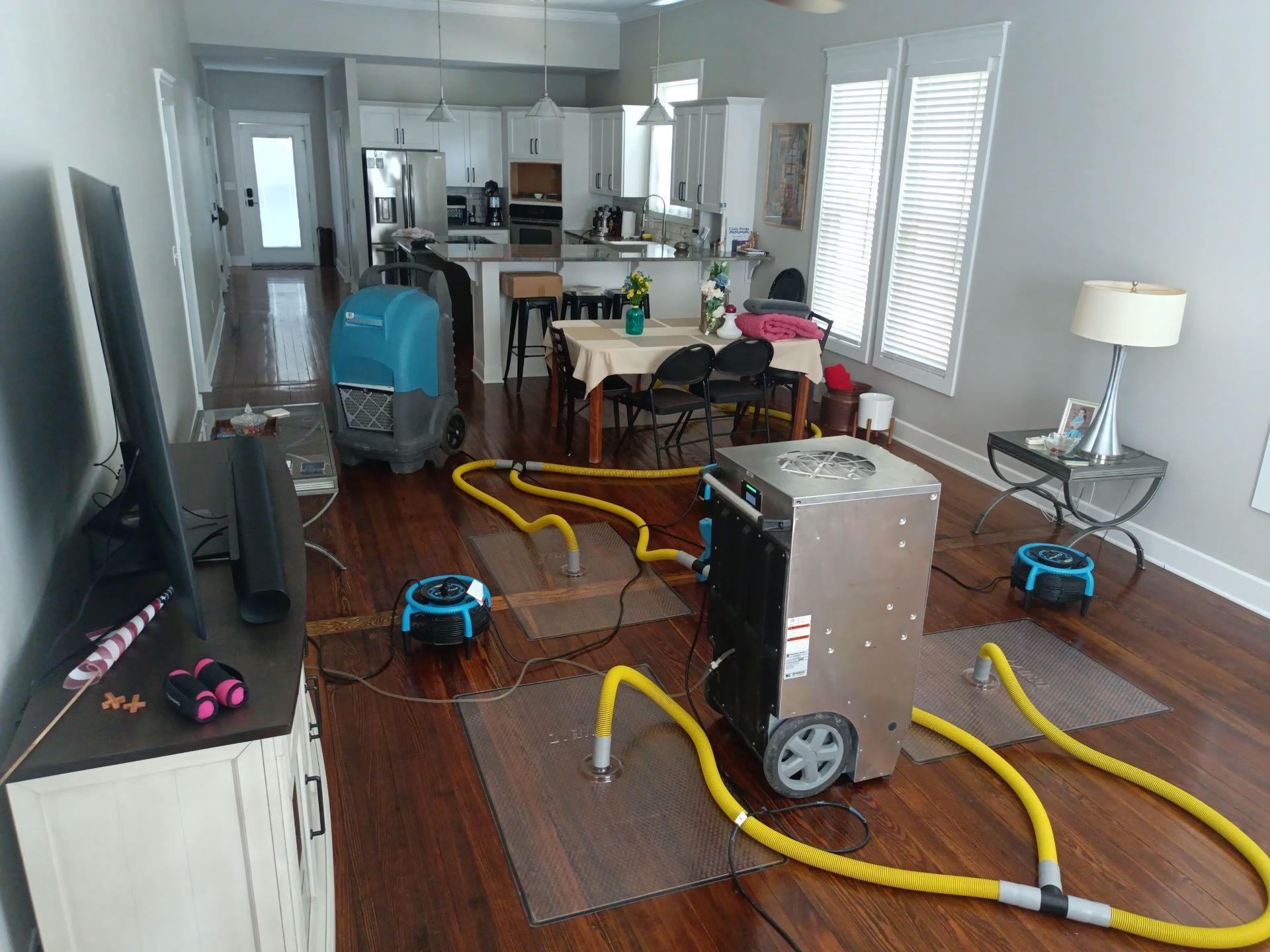
Our drying equipment positioned throughout the home’s living areas to protect the historic hardwood
Our Approach: Precision Drying for Irreplaceable Floors
We deployed our specialized floor drying system, which uses a combination of low-grain refrigerant dehumidifiers, air movers, and Injectidry floor mats. These mats create a vacuum seal over the hardwood, drawing moisture out from beneath the surface without causing additional stress to the wood fibers.
Why does this matter? Traditional drying methods can sometimes dry wood too quickly or unevenly, leading to cracking and splitting. Our approach pulls moisture out gradually and uniformly, giving the wood time to stabilize. It’s the difference between saving a floor and having to replace it entirely.
The Equipment We Used
For this project, we brought in:
- Injectidry floor drying panels placed strategically across affected areas
- Commercial dehumidifiers to control ambient moisture levels
- High-velocity air movers positioned to optimize airflow
- Professional moisture meters for daily monitoring and documentation
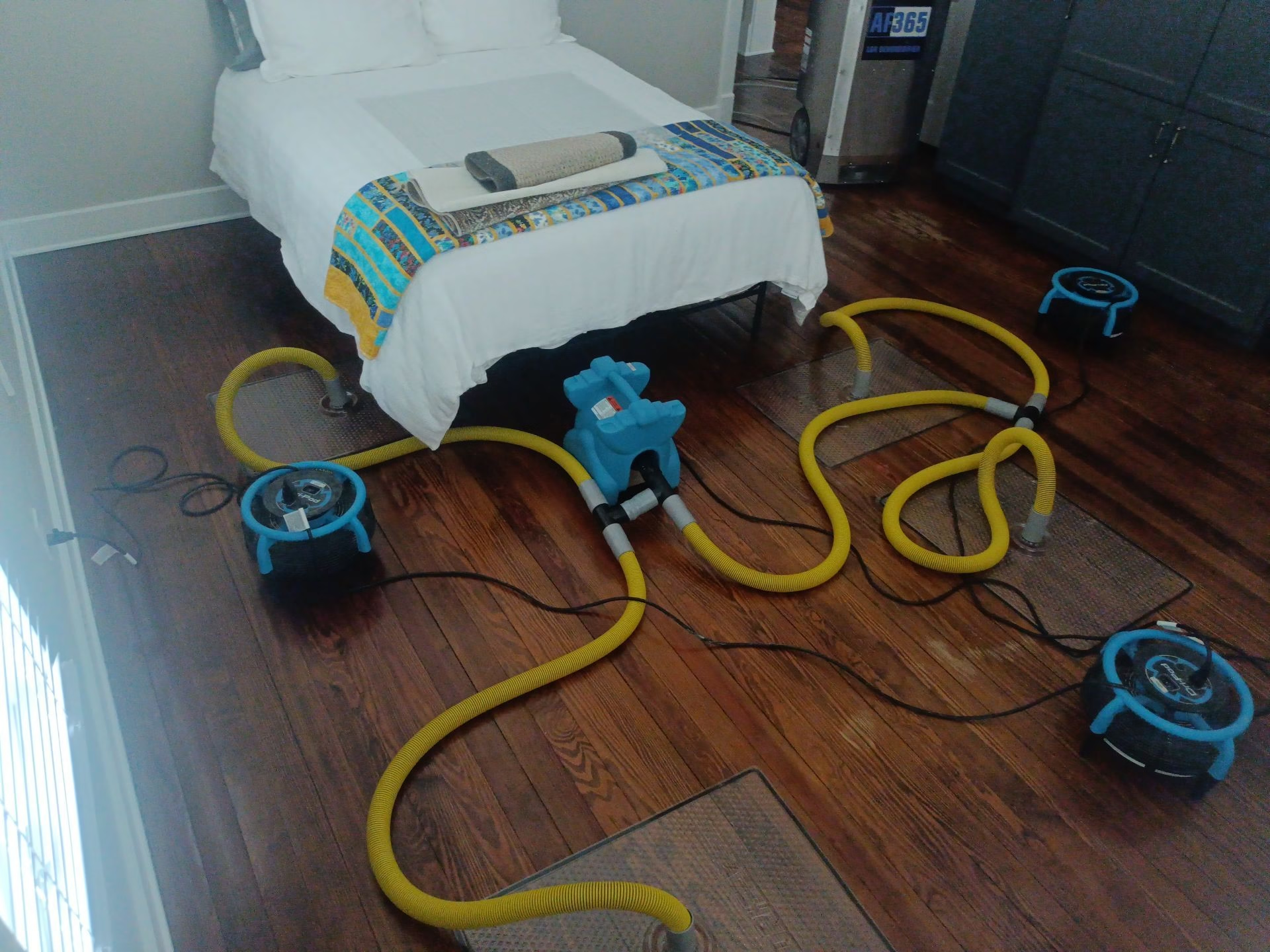
Specialized floor drying equipment in the bedroom, working to extract moisture without damaging the historic wood
Monitoring and Documentation: The Key to Success
Throughout the drying process, our technicians took daily moisture readings at multiple points across the floor. This data serves two purposes. First, it tells us exactly when the wood has reached its target moisture content and is safe from further damage. Second, it creates a comprehensive record for insurance purposes.
Speaking of insurance, the homeowner later shared something that made our day. Their insurance company said our assessment and data submission was the most comprehensive they had ever seen. That kind of thorough documentation makes the claims process smoother for everyone involved. If you’re curious about how quickly water damage can lead to bigger problems, we’ve written more about that in our knowledge base.
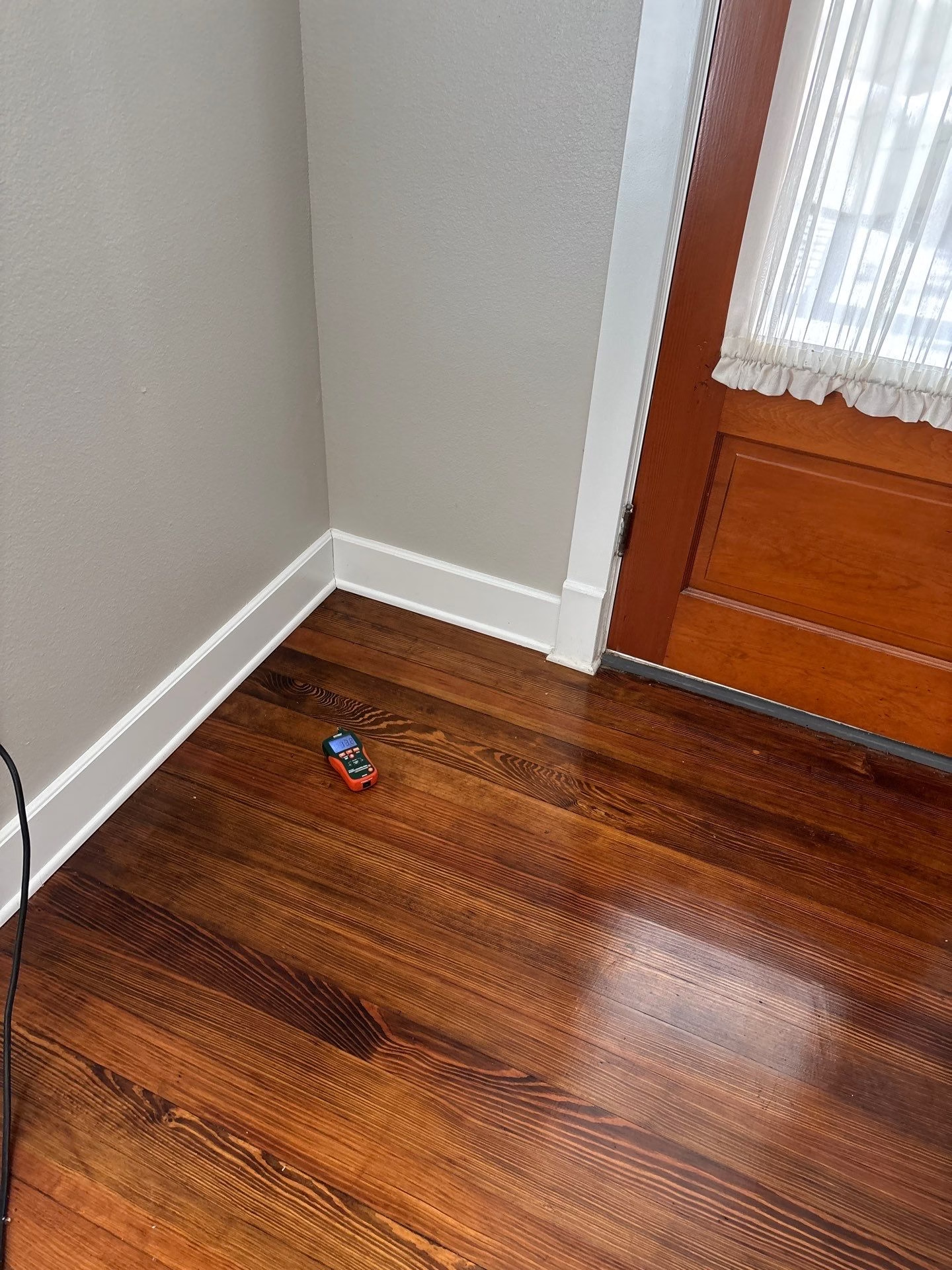
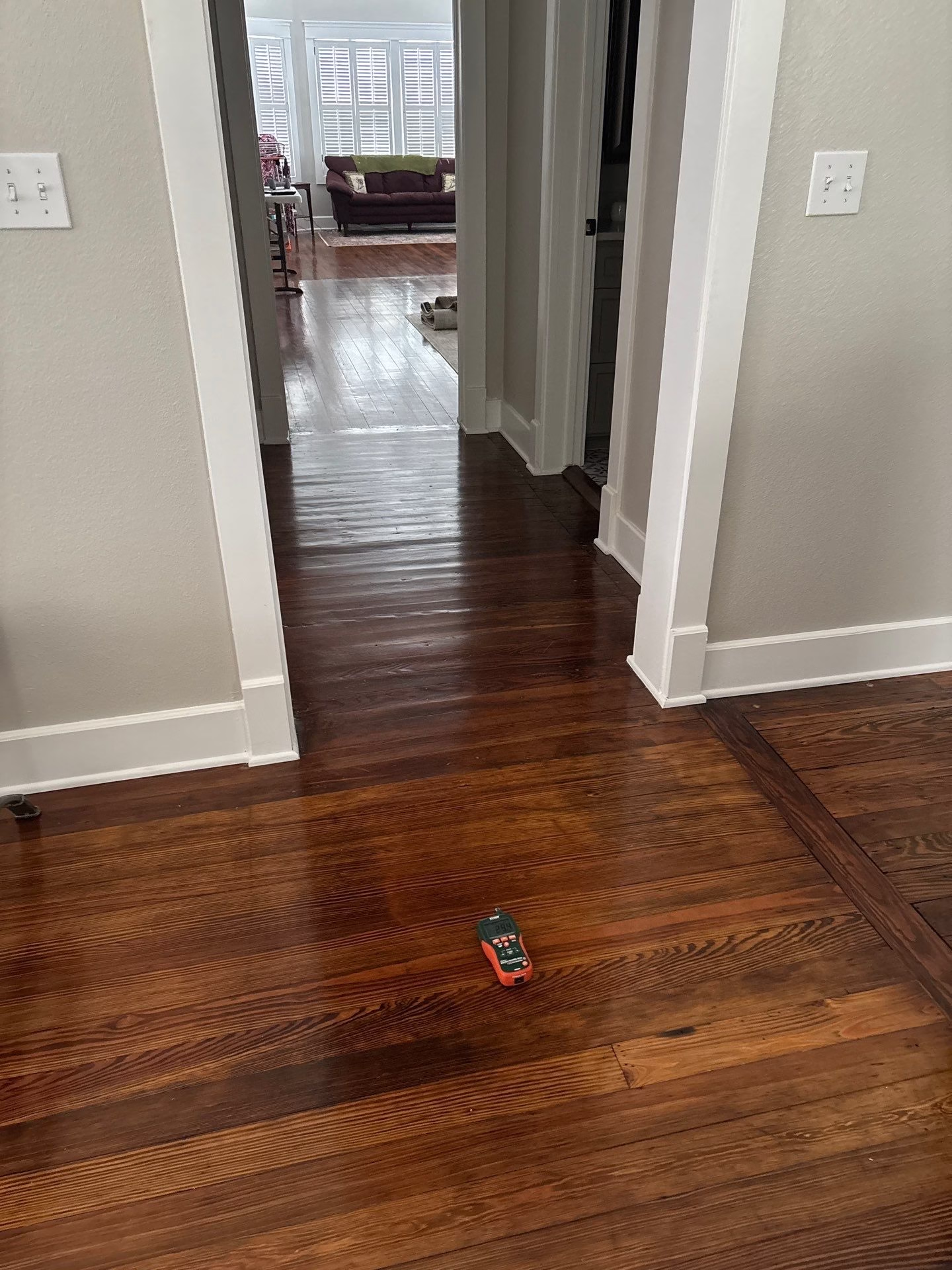
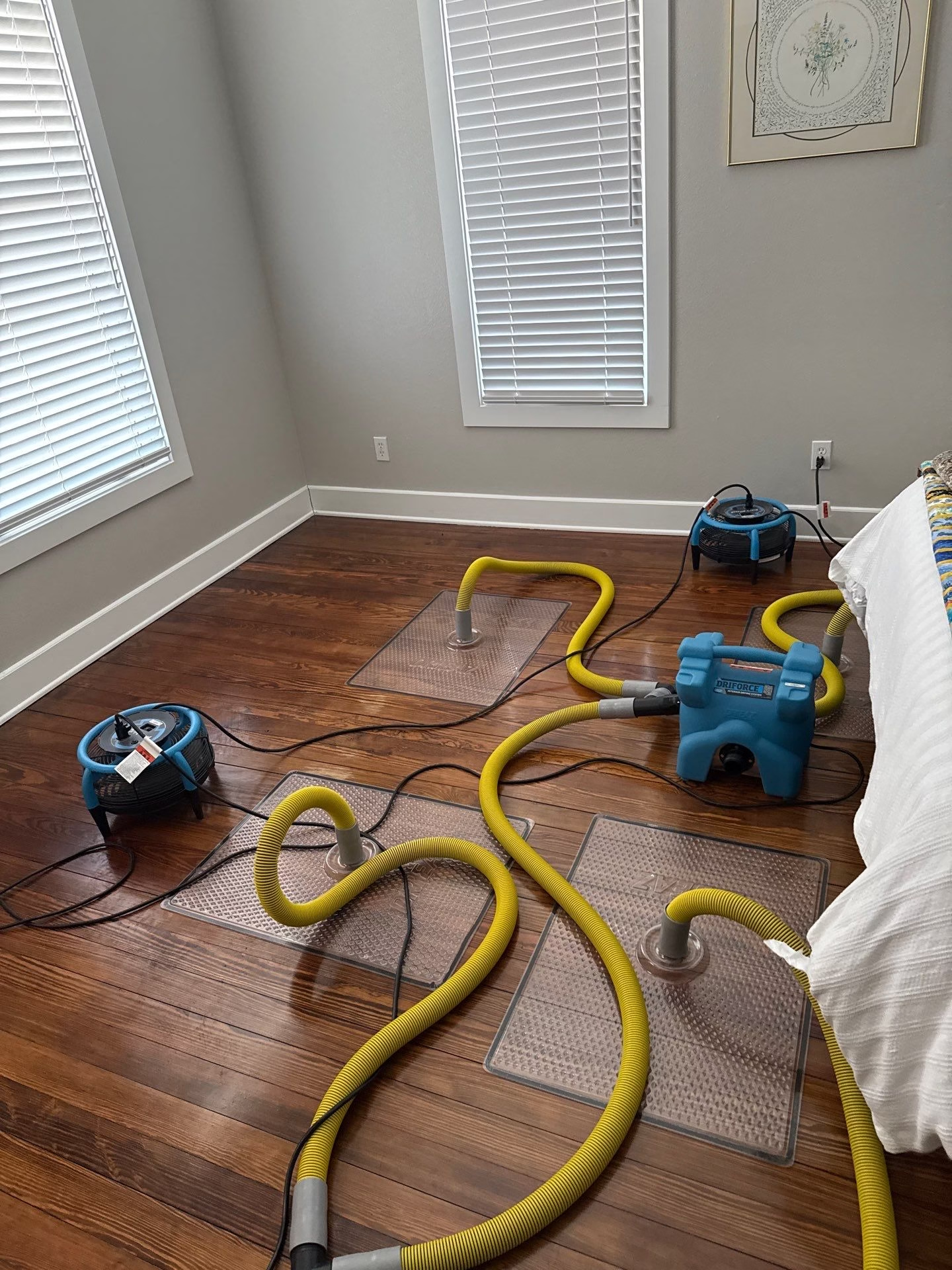
Daily moisture readings and strategic placement of drying equipment ensured complete, even drying throughout the restoration
The Results: Historic Floors Saved
After several days of careful monitoring and controlled drying, we achieved our goal. The 100-year-old hardwood floors were saved, with no warping, cupping, or permanent damage. The wood returned to its proper moisture levels, and the beautiful grain and patina that made these floors special remained intact.
The homeowner was thrilled. They described our team as extremely professional, informative, and thorough. Alex and the entire crew worked hard to make sure this piece of the home’s history could continue for another century.
Why Saving Floors Matters
Replacing hardwood floors isn’t just expensive. It changes the character of a home. Old growth lumber has a density and quality that modern materials simply can’t match. When we can save original flooring, we’re preserving more than just wood. We’re preserving craftsmanship, history, and the unique story of a home.
This is why proper moisture control and professional remediation matter so much. Quick action with the right equipment can mean the difference between a repair and a total replacement. For more information about protecting your home after water damage, check out our guide on preventing mold growth after flooding.
Dealing With Water Damage in Your Home?
Whether you have historic hardwood floors, modern laminate, or anything in between, time is critical when water damage strikes. Our IICRC-certified technicians are available 24/7 to respond to emergencies throughout the Austin area, including Smithville and surrounding communities.
We handle everything from initial assessment to insurance documentation, making the process as stress-free as possible. Our comprehensive approach means you won’t need to coordinate between multiple contractors.
Ready to protect your home? Contact our team for immediate assistance or to schedule a free inspection.
What This Project Taught Us
Every restoration project is different, but this one reinforced something we already believed: there’s no substitute for the right equipment and proper technique. Rushing the drying process or using generic methods could have destroyed floors that had survived a hundred years of Texas weather, family memories, and daily life.
It also reminded us why documentation matters. Not just for insurance, but for peace of mind. When homeowners can see exactly what we did and why, they can trust that the job was done right. That’s the standard we hold ourselves to on every project, whether it’s a historic Smithville home or a modern Austin condo.