
If you’re planning renovations to an older Austin property, discovered damaged building materials, or received notice of potential asbestos during an inspection, professional testing and safe removal become essential. Austin Fire & Flood connects homeowners and commercial property managers with certified asbestos removal contractors who follow strict protocols for testing, containment, removal, and disposal. Our coordination ensures your asbestos remediation meets all regulatory requirements while protecting occupants and workers throughout the process.










Before any removal project begins, professional testing confirms whether suspected materials actually contain asbestos. Third-party testing companies collect samples and provide laboratory analysis that determines appropriate next steps.
Older homes often feature cement-asbestos siding that becomes hazardous when disturbed. Removal of asbestos siding requires careful handling to prevent fiber release during the process.
Vinyl floor tiles manufactured before 1980 frequently contain asbestos in the tile itself or the adhesive beneath. Professional asbestos floor tile removal prevents fiber dispersal during renovation projects.
Textured ceilings applied before the mid-1980s may contain asbestos. Asbestos ceiling removal requires containment and specialized techniques that prevent fibers from becoming airborne.
Pipe insulation, attic insulation, and HVAC insulation in older buildings sometimes contain asbestos. Deteriorating or damaged insulation poses higher exposure risks and requires professional handling.
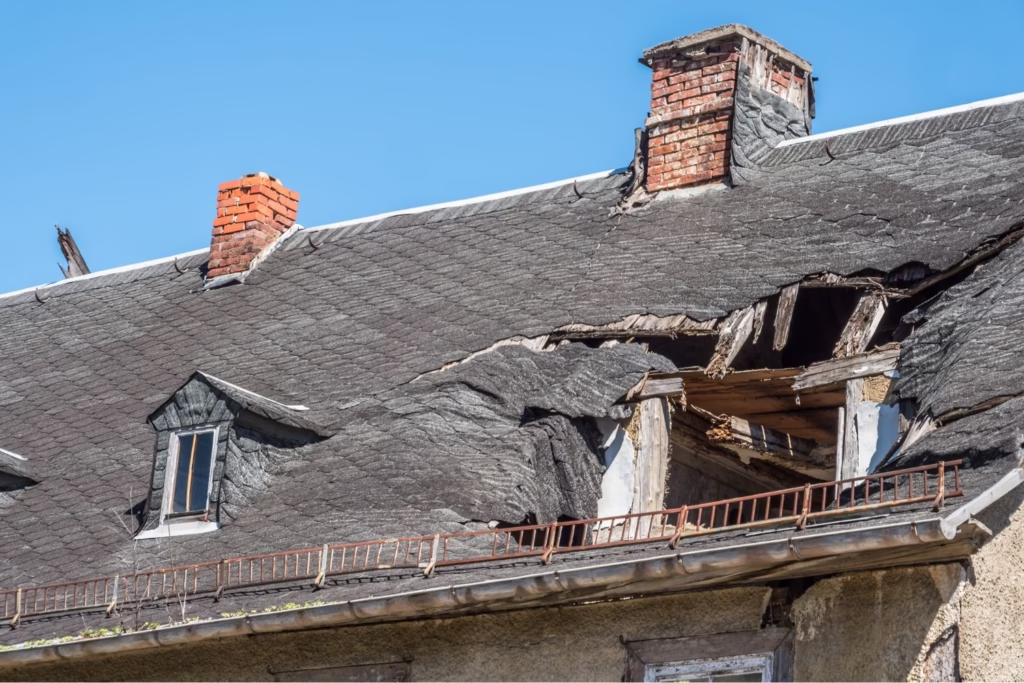
Some older roofing materials, particularly cement-asbestos shingles, require specialized removal. Asbestos garage roof removal and main structure roofing both demand proper protocols.
Asbestos handling isn’t optional or flexible—federal and state regulations establish specific requirements for testing, notification, containment, removal, and disposal. The EPA’s NESHAP regulations (National Emission Standards for Hazardous Air Pollutants) govern asbestos work nationally, while Texas adds additional state-level requirements.
Property owners bear responsibility for ensuring asbestos abatement work meets these standards, even when hiring contractors. Working with licensed asbestos removal contractors who maintain current certifications and insurance protects you from liability if problems arise.
Proper asbestos disposal services follow chain-of-custody requirements that document material handling from your property through final disposal at approved facilities. These records matter for property transactions and future renovation projects.
An asbestos removal company that cuts corners on compliance creates problems beyond immediate health risks. Improper removal can contaminate properties, trigger regulatory enforcement, complicate real estate transactions, and create ongoing liability.
Suspected materials are sampled by certified inspectors and analyzed by accredited laboratories. Testing confirms asbestos presence and identifies material types.
Based on testing results, we develop removal plans that specify containment requirements, protective equipment, work procedures, and disposal logistics.
Required notifications to regulatory agencies are submitted, and any necessary permits are obtained before work begins.
The work area is isolated using plastic sheeting, negative air pressure, and HEPA filtration to prevent fiber migration to other building areas.
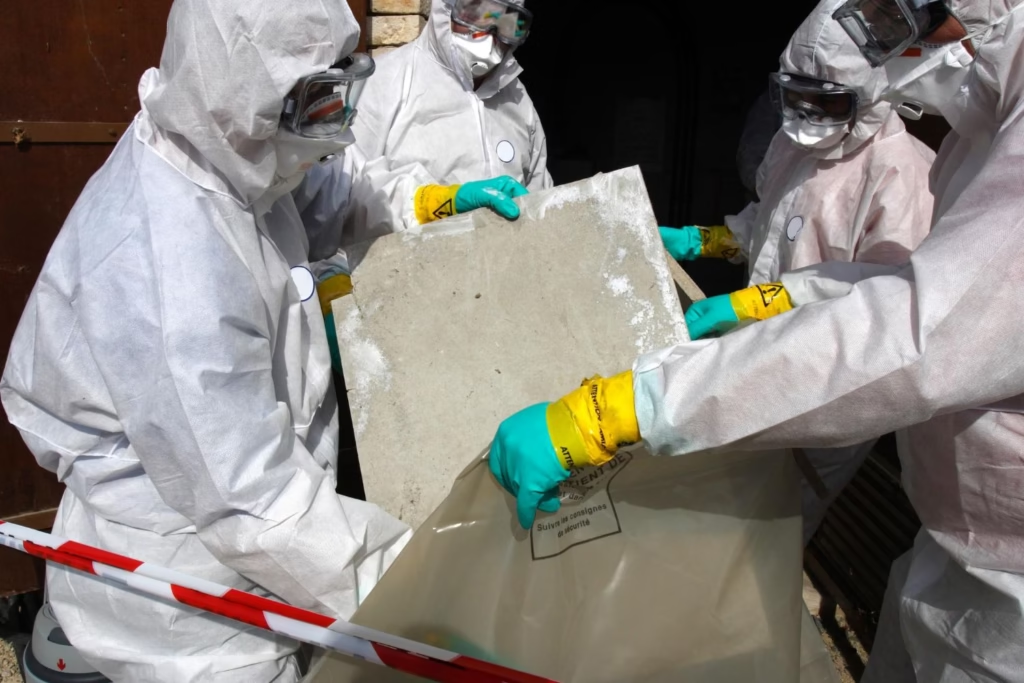
Trained workers wearing appropriate respiratory protection carefully remove asbestos materials using wet methods and careful handling that minimize fiber release.
Removed materials are double-bagged, labeled, and transported to approved disposal facilities with proper documentation.
Air monitoring confirms that airborne fiber levels meet clearance standards before containment is removed and areas are reoccupied.
Residential asbestos removal typically involves specific materials discovered during home improvement projects or inspections. Homeowners renovating kitchens, bathrooms, or older areas in pre-1980s homes often encounter asbestos unexpectedly. After abatement, our rebuild and remodeling team can complete your renovation project.
Commercial asbestos removal often involves larger quantities and more complex logistics. Schools, office buildings, industrial facilities, and multi-unit residential properties may contain asbestos in multiple systems and locations. Our commercial coordination experience helps manage these larger-scale projects efficiently.
Residential asbestos removal typically involves specific materials discovered during home improvement projects or inspections. Homeowners renovating kitchens, bathrooms, or older areas in pre-1980s homes often encounter asbestos unexpectedly. After abatement, our rebuild and remodeling team can complete your renovation project.
Commercial asbestos removal often involves larger quantities and more complex logistics. Schools, office buildings, industrial facilities, and multi-unit residential properties may contain asbestos in multiple systems and locations. Our commercial coordination experience helps manage these larger-scale projects efficiently.