Jump To:
Water damage is stressful enough on its own. But what happens next can be even more frustrating: mold. If your Austin home recently experienced flooding, a burst pipe, or even a slow leak, mold could already be taking hold in places you can’t see. Understanding the warning signs helps you catch problems early, before they turn into expensive headaches.
At Austin Fire & Flood, we’ve helped countless homeowners navigate professional mold remediation after water intrusion events. Let’s walk through exactly what to look for and when it’s time to bring in the experts.
Why Mold Follows Water Damage
Mold spores exist everywhere, floating in the air inside and outside your home. They’re harmless until they find moisture. Once water damage occurs, the clock starts ticking. According to the Environmental Protection Agency, mold can begin growing on damp surfaces within 24 to 48 hours.
Here’s why Austin homes are especially vulnerable. Our humid subtropical climate means moisture doesn’t evaporate quickly. Add central air conditioning systems that create condensation, and you’ve got prime conditions for mold colonies to thrive.
The Speed Factor
Mold moves fast. Within the first day, spores latch onto wet drywall, wood, or carpet. By day three, visible colonies may appear. After a week, the problem has likely spread behind walls and into unreachable areas.
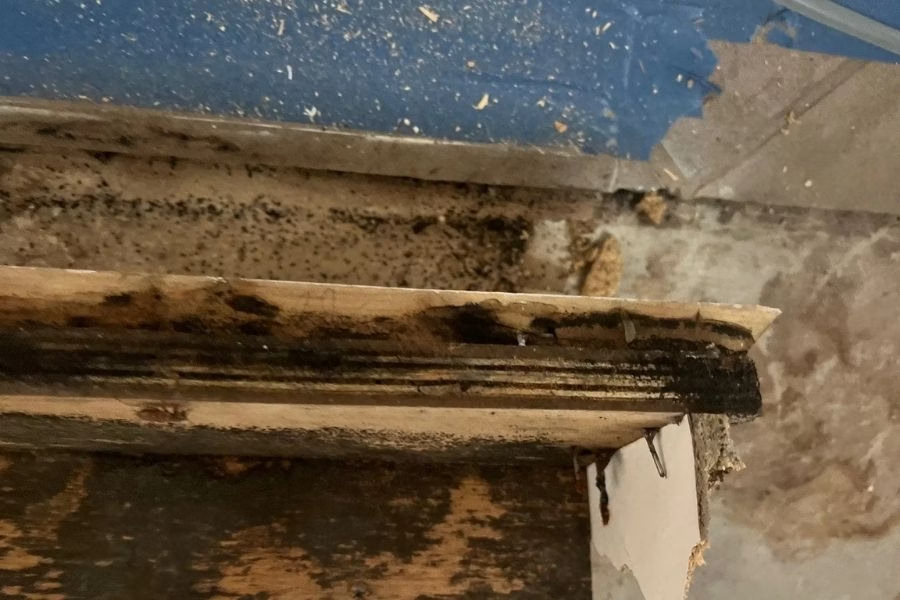
Mold often appears first in cabinets and other enclosed spaces where moisture gets trapped after a leak.
Visible Signs of Mold Growth
Some mold makes itself obvious. Knowing what to look for can save you thousands in restoration costs.
Color Variations
Mold isn’t just black. It shows up in surprising shades. You might spot green patches that look fuzzy, white powdery growth on wood surfaces, gray or brown discoloration on drywall, or even orange or pink growth in bathroom areas. Black mold gets the most attention, but any color indicates a problem worth addressing.
Surface Changes
Watch for walls that appear warped or bubbling, paint peeling in areas that weren’t affected before, baseboards pulling away from walls, or ceiling tiles sagging. These physical changes often signal moisture problems that lead to mold growth.
Worried about mold in your Austin home?
Don’t wait for the problem to spread. Our IICRC-certified team provides thorough inspections and effective remediation.
Hidden Mold Indicators You Shouldn’t Ignore
Here’s the tricky part. Most mold growth happens where you can’t see it: behind walls, under flooring, inside HVAC systems, and within ceiling cavities. So how do you know it’s there?
Trust Your Nose
Mold has a distinctive smell: musty, earthy, like wet cardboard left in a garage. If you notice this odor after water damage, especially in specific rooms, mold is likely growing somewhere nearby. The smell often intensifies on humid days or when your AC runs.
Health Symptoms
Your body can detect mold before your eyes do. The Centers for Disease Control notes that mold exposure can cause respiratory symptoms like coughing, sneezing, and nasal congestion. If family members suddenly develop allergy-like symptoms that worsen at home and improve when they leave, hidden mold could be the culprit.
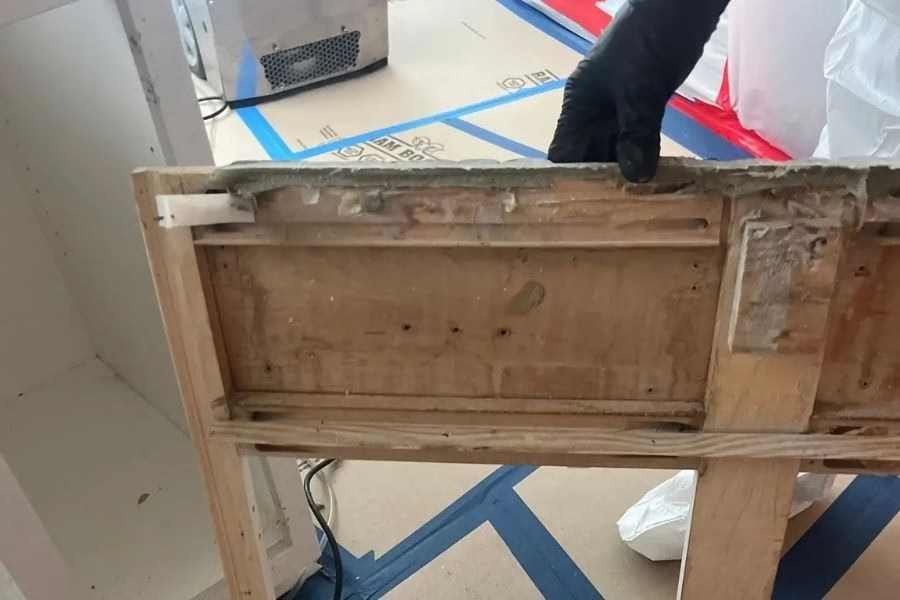
Professional remediation reveals mold growth hidden behind cabinet structures that homeowners would never see on their own.
Humidity Readings
Indoor humidity above 60% creates ideal conditions for mold. If your home feels sticky weeks after water damage restoration, moisture may still be trapped in building materials.
Your Mold Inspection Checklist
After any water intrusion event, use this checklist to assess your home:
| Area to Check | What to Look For | Risk Level |
|---|---|---|
| Behind appliances | Discoloration, musty smell, moisture | High |
| Under sinks | Warped wood, visible growth, dampness | High |
| Crawl spaces | Standing water, wood rot, fuzzy growth | High |
| Window frames | Condensation, peeling paint, dark spots | Moderate |
| Ceiling corners | Water stains, bubbling, discoloration | Moderate |
| Closet floors | Musty odor, carpet dampness, wall spots | Moderate |
When to Call a Professional
Some mold situations call for DIY cleanup. Small patches on non-porous surfaces, like a tile shower, can often be handled with proper cleaning supplies and ventilation. But water damage creates a different scenario entirely.
Call the Pros When:
- Mold covers more than 10 square feet
- Growth appears on porous materials like drywall, wood, or carpet
- You smell mold but can’t find it
- The affected area was flooded with contaminated water
- Family members show persistent health symptoms
- Mold returns after you’ve cleaned it once
Professional remediation matters because experts use equipment homeowners don’t have access to. Thermal imaging cameras detect moisture behind walls. Industrial dehumidifiers pull water from building materials. Containment barriers prevent spores from spreading during removal. If you’ve read about how quickly mold develops after even small leaks, you understand why speed matters.
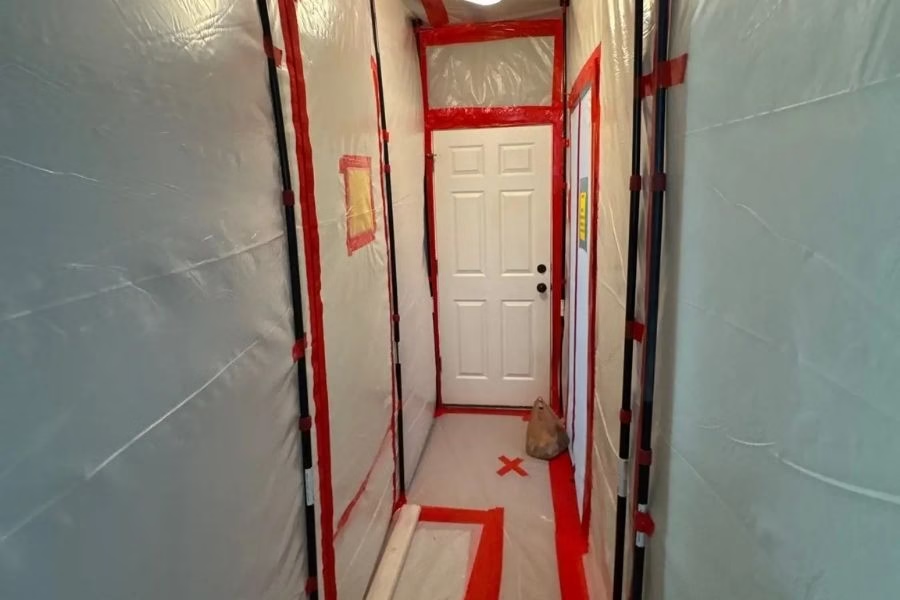
Proper containment prevents mold spores from spreading to unaffected areas during professional remediation.
What Professional Remediation Includes
When Austin Fire & Flood handles mold remediation, we start with third-party testing to identify exactly what we’re dealing with. Our IICRC-certified team establishes containment, removes affected materials safely, and verifies completion with post-remediation testing. We also address the moisture source, because removing mold without fixing the underlying water problem just invites it back. For homeowners dealing with mold after flooding or storm damage, this comprehensive approach makes all the difference.
Frequently Asked Questions
How soon after water damage does mold start growing?
Mold can begin colonizing damp surfaces within 24 to 48 hours after water exposure. In Austin’s humid climate, growth often happens on the faster end of that timeline. This is why addressing water damage quickly, and ensuring complete drying, is so important for mold prevention.
Can I remove mold myself after water damage?
Small areas of surface mold on non-porous materials can sometimes be cleaned by homeowners. However, mold resulting from water damage typically affects porous materials like drywall and wood, requires proper containment to prevent spreading, and often involves hidden growth. Professional remediation is recommended for water damage-related mold.
Why does mold smell musty even when I can’t see it?
Mold releases microbial volatile organic compounds as it grows, which create that distinctive musty odor. These compounds travel through air easily, meaning you can smell mold growing behind walls, under floors, or in other hidden spaces long before it becomes visible. A musty smell after water damage always warrants investigation.
Does insurance cover mold remediation after water damage?
Coverage depends on the water damage source and your specific policy. Mold resulting from sudden events like burst pipes is often covered, while mold from gradual leaks or maintenance issues may not be. Austin Fire & Flood works directly with insurance companies and can help you understand your coverage and navigate the claims process.
Don’t Let Mold Take Over Your Austin Home
Our team is available 24/7 for emergencies. We handle everything from inspection to remediation to rebuild, all in-house.